
At least that’s the case around where I live, in the Nişantaşı area. With the scorching heat these days, as you can imagine, electricity consumption has peaked due to heavy air conditioner use. In fact, I recall reading a report last month on ntvmsnbc.com stating that energy consumption had broken a record. According to data compiled from the Ministry of Energy and Natural Resources, electricity consumption, which averaged between 725–730 million kWh per day in July, reached 744.751 million kWh on 10 July, breaking the historical record of the Republic. Ministry officials attributed the increase to agricultural irrigation in the East and Southeast, industrial production, and widespread use of air conditioning due to the heat. They also predicted consumption would continue to rise in the coming days.
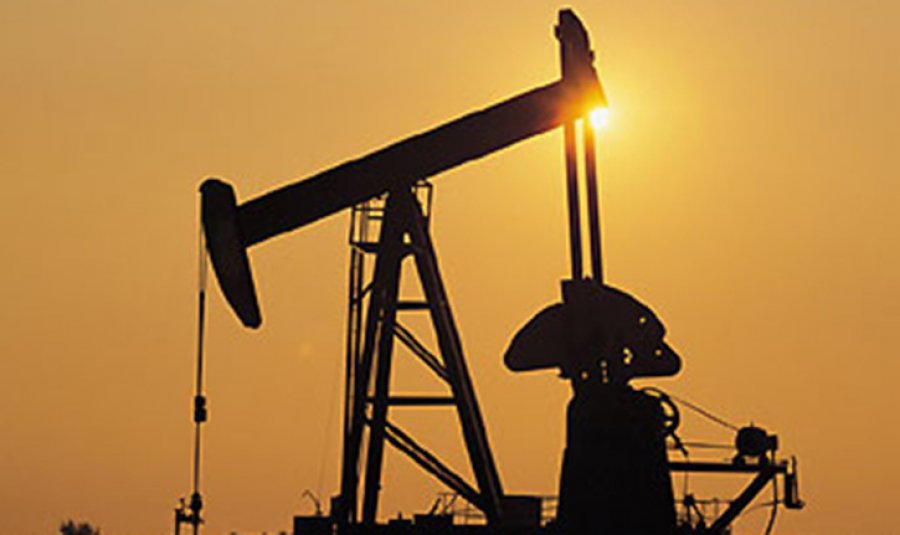
For those who don’t know, roughly half of the electricity produced in Türkiye comes from natural gas power plants. A significant portion of the other half comes from coal-fired plants.
On 2 August, I read another article in Dünya newspaper titled “Energy Imports Continue at Full Speed”. It pointed out that despite a slowdown in domestic consumption and an overall decline in imports, the bill for energy imports — including oil and gas — was rapidly growing. It stated that energy imports for the January–June period had reached nearly $30 billion, accounting for 25.1% of the total import bill — setting a record for any six-month period in previous years.
This article once again underscored a reality we’ve been emphasizing for a long time at our solar energy company. The same trend we saw last year is continuing at full speed. Let me remind you: of the officially declared $77 billion current account deficit in Türkiye last year, about $50 billion came from energy imports. Can you believe it? To put it simply, as a country, we’re financially struggling to stay afloat and are covering the gap by incurring growing amounts of debt. And about 65% of that gap is due to imports of oil, natural gas, and coal.
There’s also the national security aspect of the issue. We import these energy sources from countries like Russia, Iran, Azerbaijan, Iraq, Algeria, Kazakhstan, and Nigeria. Now let me ask you: Can we fully rely on these countries and believe that we’ll be able to solve our energy supply issues long-term through imports? (Yes, I know there are supply security clauses and some fixed pricing in the contracts.)
Let me answer that: No way!
Because many of these countries are busy trying to meet the soaring demands of highly populated nations like China and India. Also, global population — and therefore energy demand — continues to rise, which pushes prices up every year. Most of these countries avoid long-term contracts (like 5–10 years) and increase prices at their own discretion annually. And don’t forget that energy is often used as a political weapon. We all remember how Russia once threatened to cut off gas to Ukraine and Europe during a freezing winter. What makes us think we’re immune from similar treatment? Historically, we’ve had a contentious relationship with countries like Russia. One day, Russia might simply say, “I’m not giving you gas. Deal with it.”
And it’s not like we have completely friendly relations with the others either.
So if we don’t take precautions, if we fail to ensure supply security, we could face catastrophic consequences during a harsh winter.
So how do we solve our energy independence and security problem?
The answer is simple: With the resources we have, and through efficiency.
You might say, “What resources? We’re a country poor in natural gas and oil. And our lignite coal is very inefficient.” You’d be right.
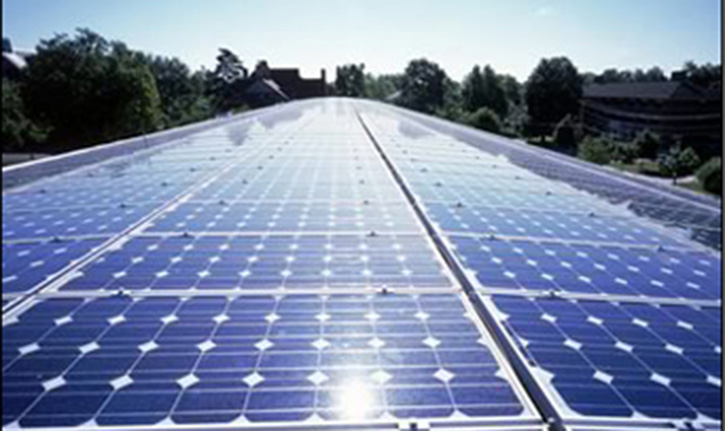
However, we have tremendous renewable energy potential. In other words, we have sun, wind, water (although we’ve practically overexploited hydroelectric), geothermal, and — with some effort — potential for biomass and biofuels.
In my opinion (and proper measurements would confirm this), Türkiye’s solar energy potential alone is enough to meet the entire country’s electricity needs. If you add in other renewables, Türkiye’s energy needs could easily be met. This includes centralized and off-grid systems.
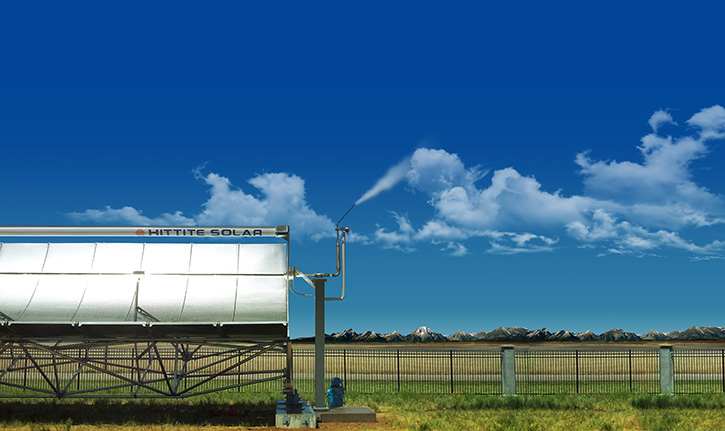
In other words, whether you build large power plants or install micro systems at home (e.g., photovoltaic panels), we can comfortably meet our over 50,000 MW electricity demand using only renewable sources. I can almost hear some industry professionals saying: “But how can we rely 100% on renewable energy like solar and wind, which are intermittent?” Let me answer that as well: Don’t worry. With hybrid systems and technologies like thermal storage, it’s now possible to generate clean, sustainable power 24 hours a day. That’s a fact. Good news for all humanity.
Let me also point this out: The population is growing, and urbanization means increased energy needs. Add to that the rising demand from climate change and rapid industrialization. Energy demand is rising every year. But we can meet this growing demand through renewable energy — as long as the right steps are taken (I’ll write a follow-up about those steps) and investment in renewables continues to grow exponentially. Let’s not forget that after Spain, Türkiye has the second-best solar potential in Europe (see the note at the end of this article).
Now for the efficiency side of the issue: Energy efficiency must be taken seriously. Everyone in the industry knows the saying: “The cheapest energy is the energy you save.”
Some good-faith steps are already being taken in this area, but in my opinion, they’re not enough. The sector needs restructuring, and there’s still a lot of work to be done (I’ll write about that too).
At this point, you might be asking: If we have all these renewable resources, why is fossil fuel consumption and energy imports still on the rise? Why aren’t we taking more precautions to reduce external energy dependency? Why isn’t energy efficiency more of a national priority? Why aren’t consumers better informed?
Frankly, I don’t know the answers to these questions.
But what I do know is that we’re a sun-rich country, and we have serious potential in wind, geothermal, biofuels, and other renewable energy sources. Just imagine if Türkiye met its optimized energy needs (via efficiency) solely with renewable energy. We could significantly reduce the current account deficit, giving the economy a breather. We’d cut carbon emissions, reducing the environmental damage we’re causing. And in terms of national security, we’d be energy-independent and no longer reliant on other countries. Of course, this takes time. It’s a process. But if, as a nation, we set realistic goals and execute them flawlessly, it can be done.
Note: When talking about solar potential, there are two types of radiation to consider: Direct Normal Irradiance (DNI), used for concentrated solar power (CSP) Global Horizontal Irradiance (GHI), used for photovoltaic (PV) systems. In this article, I’m referring specifically to DNI, which represents the direct solar radiation coming straight from the sun.
Tag: energy