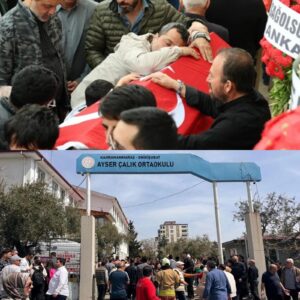
In recent weeks, the public was once again shaken by the armed attack on the Fenerbahçe team bus on its return from a game against Çaykur Rizespor. Tensions were already rising as the league approached its final weeks, but no one could have imagined something like this. Some believe the attack was orchestrated and carried out by professionals, possibly as a political provocation to stir unrest ahead of the elections and divert public attention. None of us can know the full truth, but I want to focus on the aspect of violence. Targeting the driver was essentially an attempt on the lives of all the athletes on that bus. An armed attack on a sports club is utterly unacceptable under any circumstances. This unprecedented incident has taken violence in sports to an entirely new level.
Türkiye faces serious problems with violence being used in nearly every aspect of life. I’d like to refer back to an article I wrote previously on this topic;
http://www.serhansuzer.com/2015/03/18/turkiyede-kadina-siddetin-neden-onune-gecilemiyor/#more-1336
How did sports in Türkiye become so corrupted? Why have not only athletic accomplishments but also noble human values like respect and kindness become so deeply degraded? Why does the cycle of violent incidents keep escalating? These are the questions I’m concerned with—and the solutions to the problems they raise. Here are the thoughts I want to share with you…
In my view, everyone who is part of the Turkish sports community should possess two essential qualities: First, goodwill and strong character; second, a solid education. Those who lack these traits—whether they be club executives, coaches, athletes, or other sports professionals (such as physiotherapists or equipment managers)—should step away from the field.
As Atatürk once said, “I like athletes who are intelligent, agile, and morally upright.” These words couldn’t be more accurate or relevant today, and I believe they will remain just as meaningful in the years to come.
In Türkiye, particularly in popular sports like soccer and basketball, the arena is viewed as more than just a place for athletic competition. It has become a stage—modern-day stadiums and athletes have taken the place of ancient gladiators and arenas. And that stage is so influential that it can move and inspire millions. That’s precisely why I believe that only those who set a positive example for society—those who are honest, ethical, and level-headed, and who contribute to the development of the community—deserve to be on that stage, whether they’re athletes, managers, or professionals.
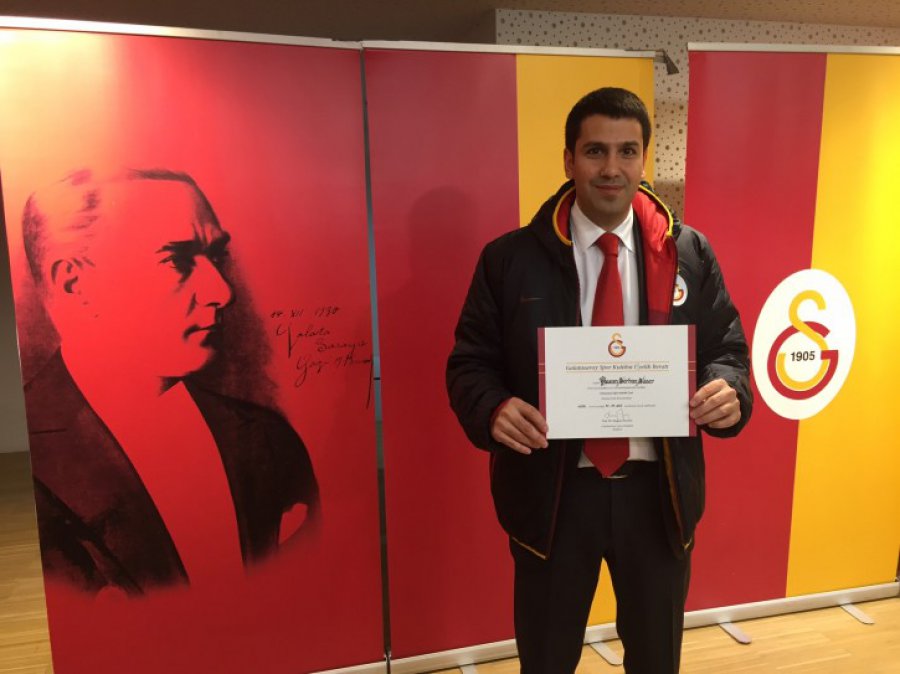
As a Galatasaray supporter, of course I can’t claim to be completely objective. Still, I must say I’m proud of our current president, Duygun Yarsuvat. I’m also honored to have received my Galatasaray club membership certificate from his hand.
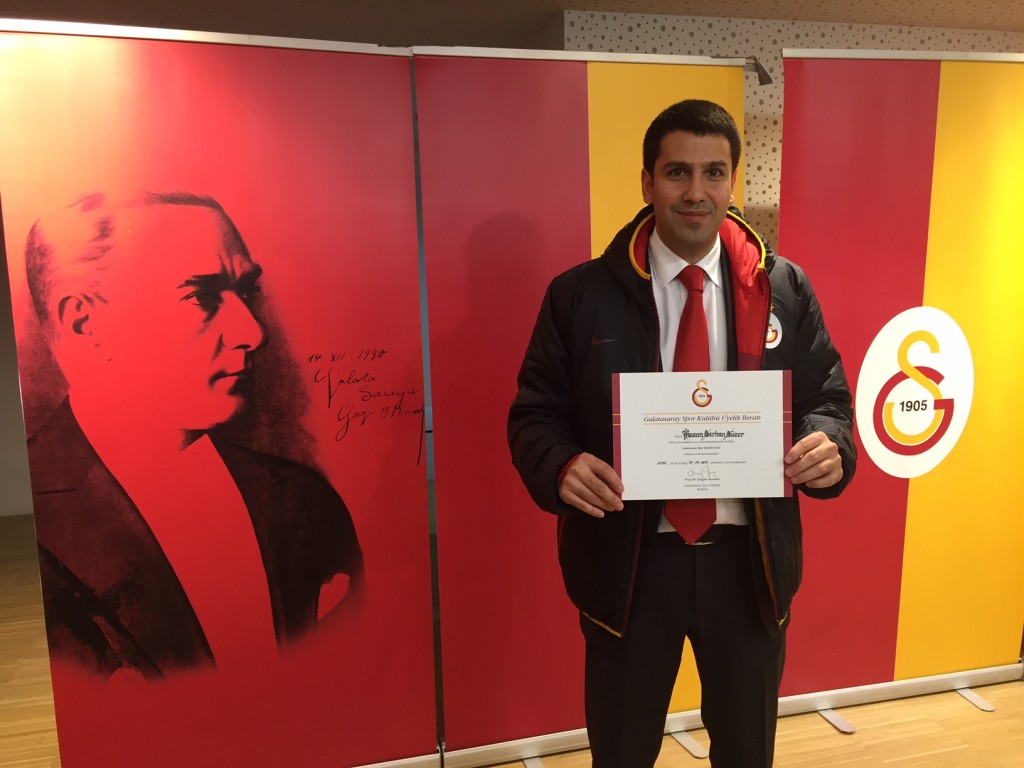
If only his health and energy would allow him to remain at the helm of Galatasaray for many more years. In a short time, he has made numerous contributions to the club and ensured the ship sailed in calm waters. Here’s an anecdote about President Duygun:
During the financial general assembly held on 28 March 2015, although the president was generally seen as successful, he was criticized on one particular point. That criticism concerned his seemingly tolerant and conciliatory attitude toward our archrival Fenerbahçe. Here was the president’s response:
I would gladly sign my name under that statement. I’m also proud to have received my official Galatasaray membership certificate during President Duygun’s term…
As for the criticism regarding why the president defended Aziz Yıldırım so strongly and questioned his trial process following the July 3rd scandal, here’s how he responded:
“As a professor of law, I am fundamentally opposed to anyone—let alone the president of Fenerbahçe—being tried in special courts. That runs counter to my legal mission and all my core values. That’s why I’m speaking my truth. It was wrong for Aziz Yıldırım to be tried in special courts.”
If only we could see more of that kind of stance from other figures in the world of sports. Turkish sports desperately need upright, well-educated, principled leaders who can defend what they believe to the very end—despite populist pressure.
Coaches, trainers, managers, and athletic instructors also hold a crucial place in sports. I myself might have become a professional tennis player, but I gave up a sport I loved deeply because of an ill-equipped coach. I’d like to remind you of a previous piece I wrote on this topic:
Athletes who take the stage must always send the right message to society, avoid escalating tensions, and serve as positive role models. Otherwise, we end up with an abundance of athletes who are solely focused on winning, show no respect to their opponents, and constantly stir up controversy. What truly matters is maintaining a spirit of sportsmanship under all circumstances and competing within the rules of the game. I’d also like to share a piece I once wrote about Galatasaray on this very subject:
http://www.serhansuzer.com/2013/01/31/konumuz-galatasaray/#more-291
In summary, the following actions must be taken to ensure that sports contribute positively to society:
- A mechanism must be established to ensure that athletes, coaches/managers, executives, and professional staff in sports clubs are well educated and of good character and intent. Those who do not meet certain criteria should be prevented from entering sports organizations, and those who incite tension, show no respect for opponents, and consistently stir up conflict must be excluded from the system.
- Fans who cause trouble and constantly insult or hurl obscenities at opposing teams should be banned from attending sporting events, and families should be invited in their place. Let’s not forget—vulgar, misogynistic insults shouted during games are wrong on every level. They go against our traditions and customs (as mothers, wives, and family are sacred to us) and, in terms of universal values, reflect deep-rooted discrimination against women. Any form of verbal or physical violence displayed at games should be met with the harshest, non-negotiable penalties.
- Coaches, trainers, and managers who guide athletes must be properly educated and screened through a rigorous process.
- Professional athletes must be educated from the earliest possible age. And the training I’m referring to isn’t just about sports knowledge or technique, it’s also about preparing them for life. Only this way can they learn how to handle pressure, how to be role models in society, and how to avoid falling into the trap of greed and entitlement.
- The media must refrain from running inflammatory or false stories. Sanctions must be in place to prevent and penalize this kind of behavior.
- Fair play should be actively promoted in sports, and violence or conduct that sets a bad example for society must be punished.
- Fans need to understand that winning the championship isn’t the only kind of success. Criteria like nurturing young talent, success in European competitions, fair play, financial health, contributions to the national team, and achievements in amateur branches that can lead to Olympic success should also be recognized and valued.
- Club presidents and executives must not use sports clubs as a platform for self-promotion. They should manage clubs the way one would manage a publicly traded company—without disrupting financial discipline and always remember that running a club is also a public service. Additionally, there must be term limits for club presidents and executives. In my opinion, that limit should be a maximum of three terms or 15 years.
- The same standards should apply to those working in sports federations: they must be impartial, well-meaning, principled individuals—ideally both field-experienced and formally educated. Federations must be properly monitored, and penalties imposed on those that are poorly managed or exploited for personal gain. As with clubs, there should be term limits for federation officials as well. The “maximum of three terms or 15 years” rule should apply to federation presidents and executives too.
In short, we have a lot of work to do…
Tag: sports