Fatih Terim is undoubtedly the most successful technical director in Turkish soccer. It’s not me saying this; the statistics and trophies he’s won speak for themselves. We’re talking about a director who has won a total of 21 trophies throughout his career. Let’s recap these trophies:
UEFA Cup: 2000 (1)
Super League: 1997, 1998, 1999, 2000, 2012, 2013, 2018, 2019 (8)
Türkiye Cup: 1999, 2000, 2019 (3)
Super Cup: 1996, 1997, 2012, 2013, 2019 (5)
TSYD Cup: 1997, 1998, 1999 (3)
Mediterranean Games: 1993 (1)
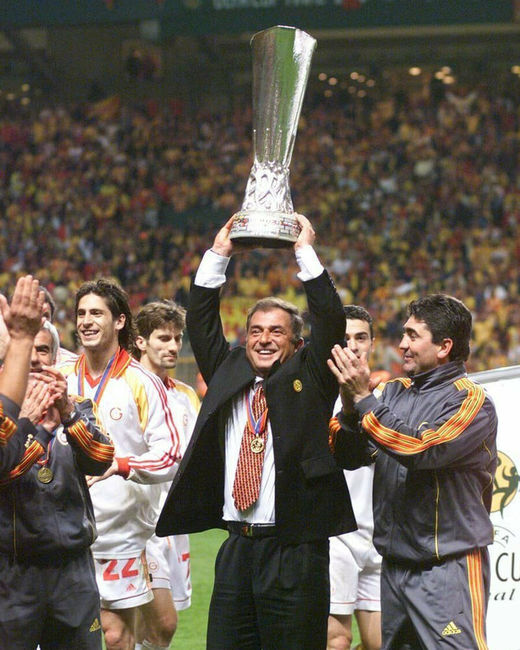
With the exception of the UEFA and Mediterranean Games, all these trophies have been won by Turkey. Had he been patient, he could have won the European Super Cup with Galatasaray and the Italian Cup with Fiorentina. At the same time, in the 2008 tournament, where we were eliminated by Germany in the semi-finals, our national team, under Fatih Terim, became a true legend, winning every game in the final minutes (except for the final game), earning the admiration of all the authorities. You’d expect such a successful manager to be loved and respected by everyone, right? The situation is quite the opposite. He doesn’t have many admirers outside of Galatasaray fans. Even within Galatasaray fans, there are divided opinions about Fatih Terim. There are those who adore him, those who appreciate his achievements but dislike his personality, those who dislike him completely, those who say he doesn’t suit Galatasaray, and those who hate him, who declare him “a perfect manager for Galatasaray.” This division was clear when the documentary was released.
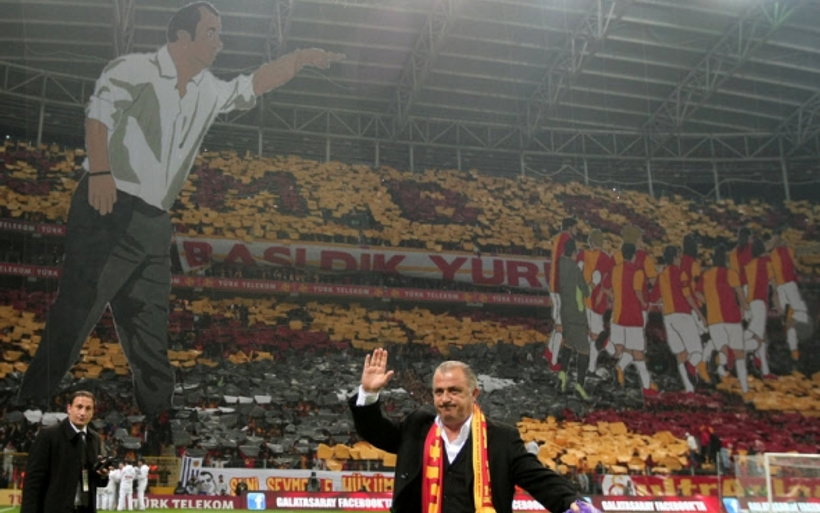
14 million views in 30 minutes
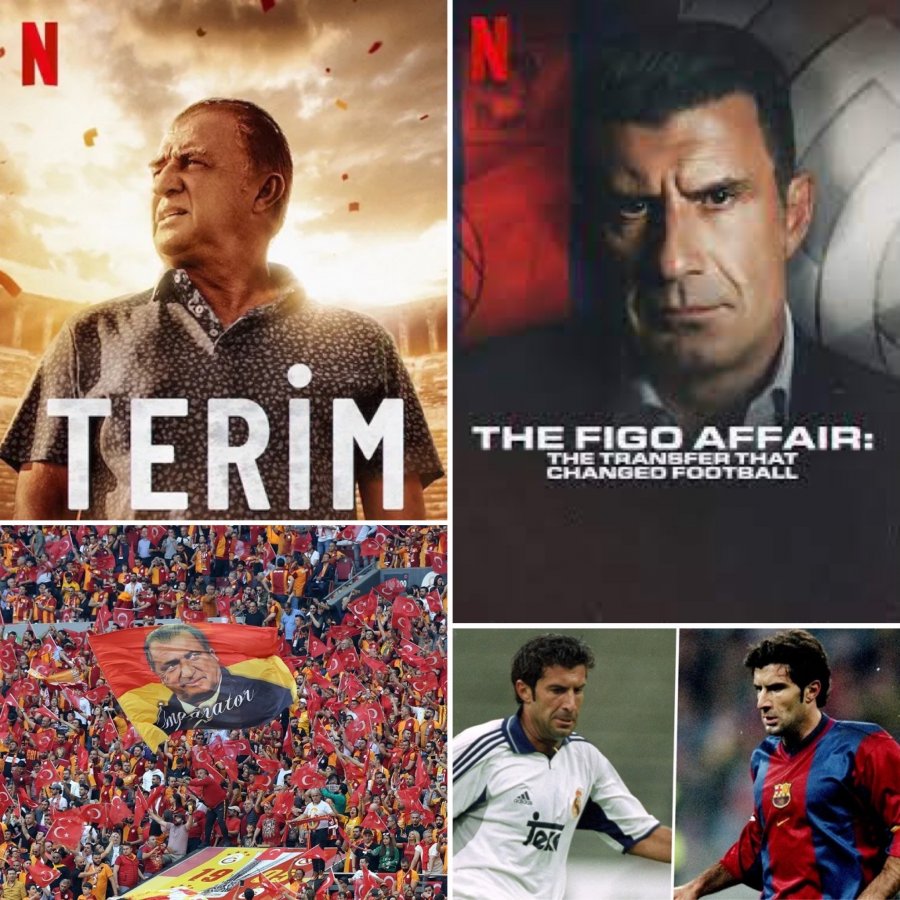
Those who weren’t Galatasaray fans watched the documentary mostly with a heavy heart and out of curiosity. Galatasaray fans, on the other hand, either watched with great admiration or cautiously. A few even canceled their Netflix memberships because Fatih Terim’s documentary was released (I know some Fenerbahçe fans who did this). As a result, everyone watched the Terim documentary out of curiosity, and the production broke viewing records. The trailer was clear that this would happen. Netflix announced that the documentary, titled “Terim,” would be released on 15 September and shared a 1 minute and 45 second trailer. Approximately 5 million people watched the trailer within an hour of its release (See: https://www.bursahakimiyet.com.tr/spor/fatih-terim-netflix-e-damga-vurdu-1-saatte-rekor-kirdi-830372 ). Here’s the trailer:
The documentary broke the viewing record with 14 million views within 30 minutes of its release (https://www.internethaber.com/fatih-terim-belgeseli-netflixte-rekor-kirdi-imdb-puani-izleyenleri-soke-etti-2271155h.htm ).
None of these results surprised us. So, if you ask me if anything surprised me, my answer would be a resounding “Unfortunately, yes.” The content surprised me. I think it showed us what a biographical documentary like this shouldn’t be. A documentary about Fatih Terim, a significant asset to Galatasaray, could have been done differently.
On the other hand, immediately after watching this documentary, on the recommendation of a Galatasaray friend (thanks Bedi), I watched another documentary about the transfer of former Portuguese soccer legend Luis Figo from Barcelona to Real Madrid. This documentary left me with the exact opposite impression. They conveyed a very difficult and challenging process incredibly fluently, grasping the subject from every angle. I’m sharing the trailer for this documentary below:
I remember thinking to myself, “This is what a documentary should be like.” To illustrate the point more clearly, let me compare the two biographical documentaries for you:
1) Multi-Sided Narrative / One-Sided Narrative
In Figo’s documentary, they tell a difficult topic by asking all the parties involved and listing their answers one after the other. This allows us to hear the same story from different perspectives and gain a multi-dimensional understanding of the subject. When some questions have very different answers, you can clearly see that some of the respondents are lying. Of course, you can’t tell who’s lying and who’s telling the truth. However, we can say that by interpreting the issue from all relevant parties, a very fair and transparent biographical documentary emerges.
2) The use of all footage / Holding back some footage
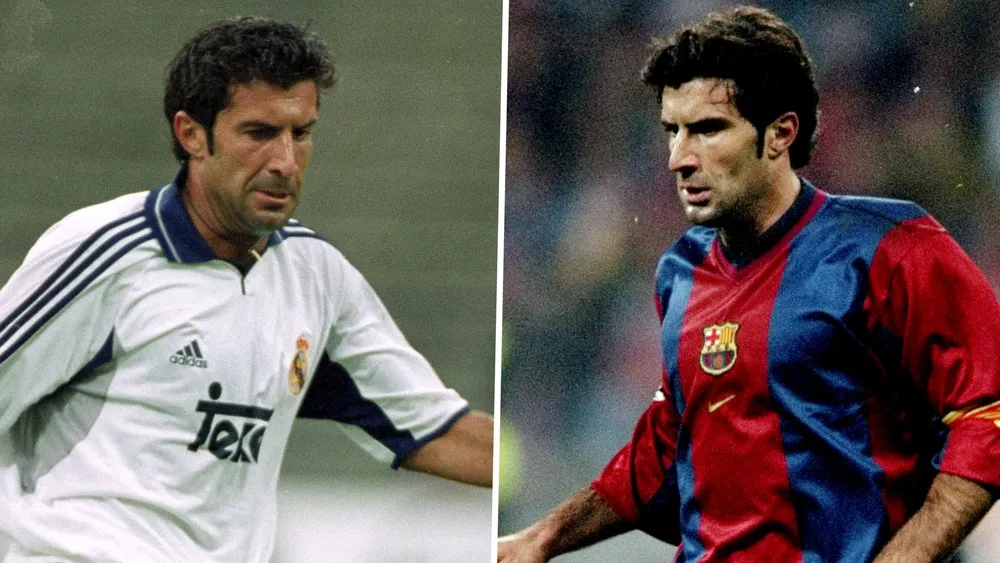
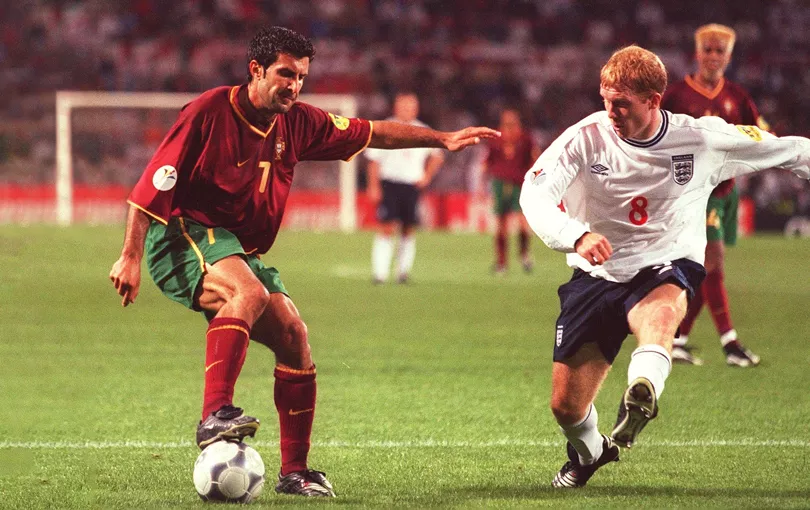
In Figo’s documentary, all the footage is presented very clearly. I can even say that I was surprised to see Barcelona fans swearing at Figo like a woman and throwing everything they could onto the field in his first game against them. This might be considered normal in Turkey, but it turns out it can happen in Spain as well. Spaniards and Catalans are normally calm people, and this documentary is the first time I’ve seen them lose themselves so much. Similarly, the explicit depiction of Figo’s assists and goals, which demonstrate his incredible playing intelligence, enriches the documentary and helps us understand how legendary he became in his time.
In Terim’s documentary, some footage was clearly censored. What bothered me most was that, to avoid showing goals from Hakan Şükür and Arif Erdem (we all know why they did this, unfortunately), they didn’t show any of the goals from Galatasaray’s UEFA victory. They occasionally showed some goals, but they didn’t show them very clearly, which meant that emotionally stirring footage was cut. In other words, the cuts to these images leave us with a feeling of “lacking something” throughout the documentary. By doing so, they significantly diminished the excitement level and confined the documentary to a monotonous routine. One might ask, “How could they not show the goals from the greatest success in Turkish soccer history?”
3) The Difference in Purpose of Documentaries
I suspect Figo participated in the production of this documentary to clear his name and offer his perspective on the much-discussed transfer scandal in world soccer. Of course, the inclusion of different perspectives here underscores the documentary’s credibility and sincerity. As a result, they presented us with a credible and watchable production.
On the other hand, the impression I got from Terim’s documentary was that he was included in this documentary as preparation and preliminary preparation for his future endeavors. Therefore, the film was one-sided, presented solely from Terim’s perspective, failing to address any questions, ultimately giving the impression of “I’ve achieved these successes, so watch me for what I’ll do next.”
4) Complete / Incomplete Storytelling
In Figo’s documentary, the story is told from all perspectives and all parties involved. This is evident by the fact that critical questions are asked of all parties and answered. In other words, the story is conveyed completely.
However, there are many missing elements in the telling of Terim’s life story. It’s clear that anything that could be perceived negatively has been removed from the documentary. Furthermore, there is no proper reference to the era of Sepp Piontek, the renowned Danish manager who can be described as a turning point in Fatih Terim’s tenure as manager. It would have been nice if, out of loyalty, he had shared his feelings and thoughts about Sepp Piontek and expressed his gratitude personally. As a Galatasaray fan who believes in universal values, I would have liked clarification on the following issues:
1- Memories of the Sepp Piontek era
2- Incidents that erupted during the Switzerland game
3- The FETÖ structure at Galatasaray (primarily involving Hakan Şükür and Arif Erdem)
4- Fenerbahçe’s 6-0 win over us
5- The kebab shop brawl
6- Arguments with referees at different times
7- Why he had problems with all the club presidents during his time as manager (his comments about all the club presidents, as well as the comments of the respective club presidents about him).
5) Chronological Narrative / Mixed Narrative
In Figo’s documentary, you can clearly understand the events due to the chronological and simple narrative. Having different people answer the same questions one after another allows us to fully grasp the subject.
In Terim’s documentary, however, they’ve made a complete mess. There’s a constant rewind and fast-forward. Avid soccer fans who witnessed these events in the past can relatively follow along, but those unfamiliar with soccer and those who don’t follow them are often distracted and can’t grasp what’s going on. I can clearly tell this from the feedback from my friend I watched the documentary with and from friends who watched it at different times. Trying to make the documentary look cool while cluttering it up has resulted in a film that’s difficult to understand and follow. However, the documentary could have been crafted effectively using two different methods:
1- Chronological narrative by date
2- Narrated according to the key milestones of his life
In this case, the four sections could have been structured as follows:
- a) His playing career and before
- b) His time as a manager at club teams (Ankaragücü and Galatasaray, respectively)
- c) His time as a manager at national teams (U21, A National Team)
- d) His personal life and afterward
Documentary filmmaking is, of course, not my area of expertise. I offer these comments as a keen soccer fan and observer who enjoys documentaries on various topics. Of course, it’s important to hear the opinions of professionals based on their own experiences. However, we live in a country with wonderful documentarians (for example, we lost Didem Şahin a few months ago. You can read my article about her: https://www.serhansuzer.com/tr/belgeselciligin-yildizi-sevgili-didemi-anarken ).
In such an environment, it pains me personally to observe such a stark difference between documentaries made by the Spanish and those made by the Turks (in terms of examples of good and bad documentaries), and that this difference stems from the countries’ level of development (especially intellectually).
In short, unfortunately, our backwardness has been once again revealed by this difference in documentary production. We still have a lot of work to do in our country. A mental revolution is a must.
Tag: education