Last Saturday, I participated in the Ayvalık Run. The day before, I arrived in Ayvalık in the late afternoon and immediately closed my laptop and headed straight to one of the cafés in the main square.
While sipping black mulberry juice, lemonade, and Turkish coffee, I was reviewing a contract. After wrapping that up, I intended to begin drafting a new blog post. I had already decided on the topic, but a news item I’d read Friday morning before leaving town left my mind fixated on the young soldiers who drew their swords and declared, “We’re soldiers of Mustafa Kemal” at their swearing-in ceremony.
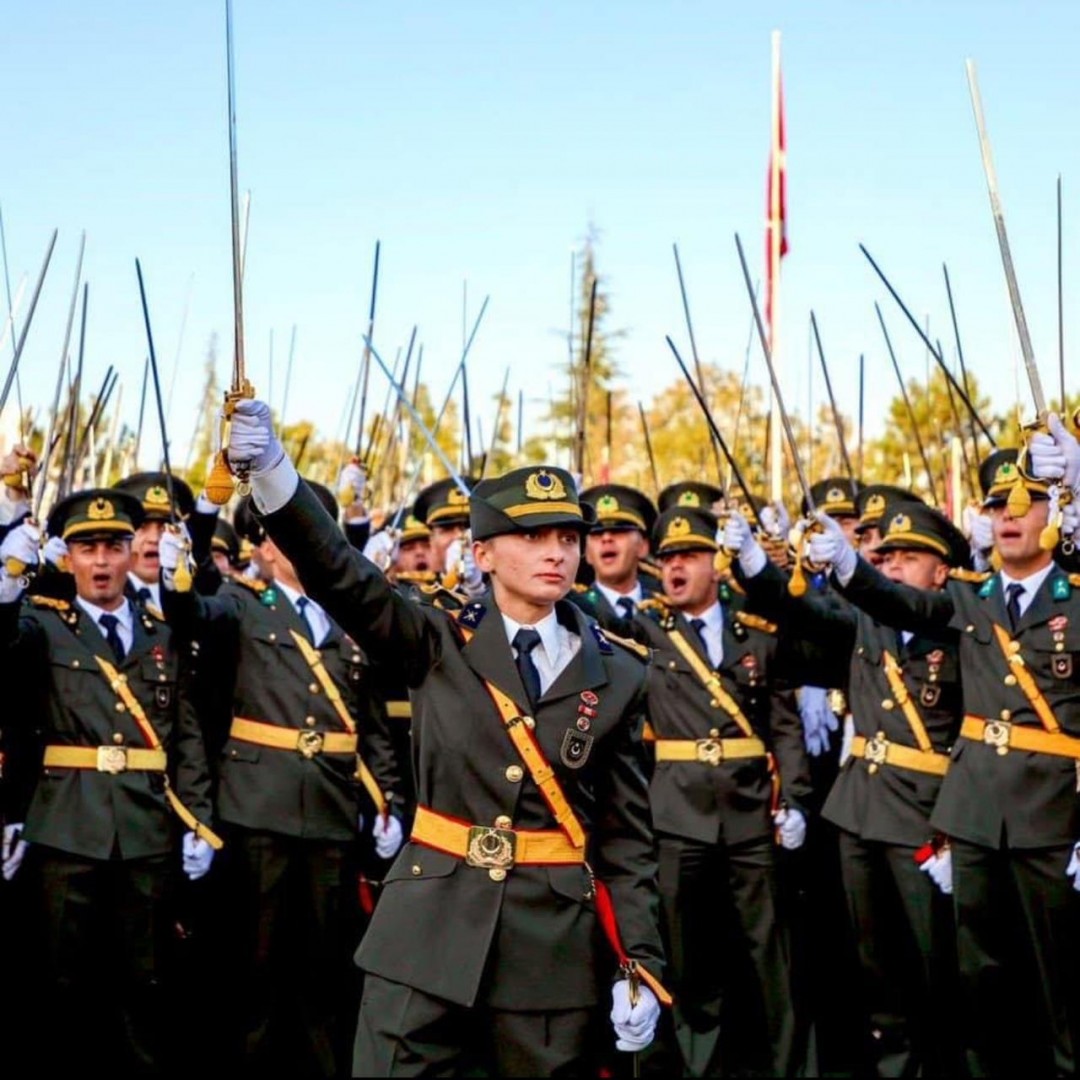
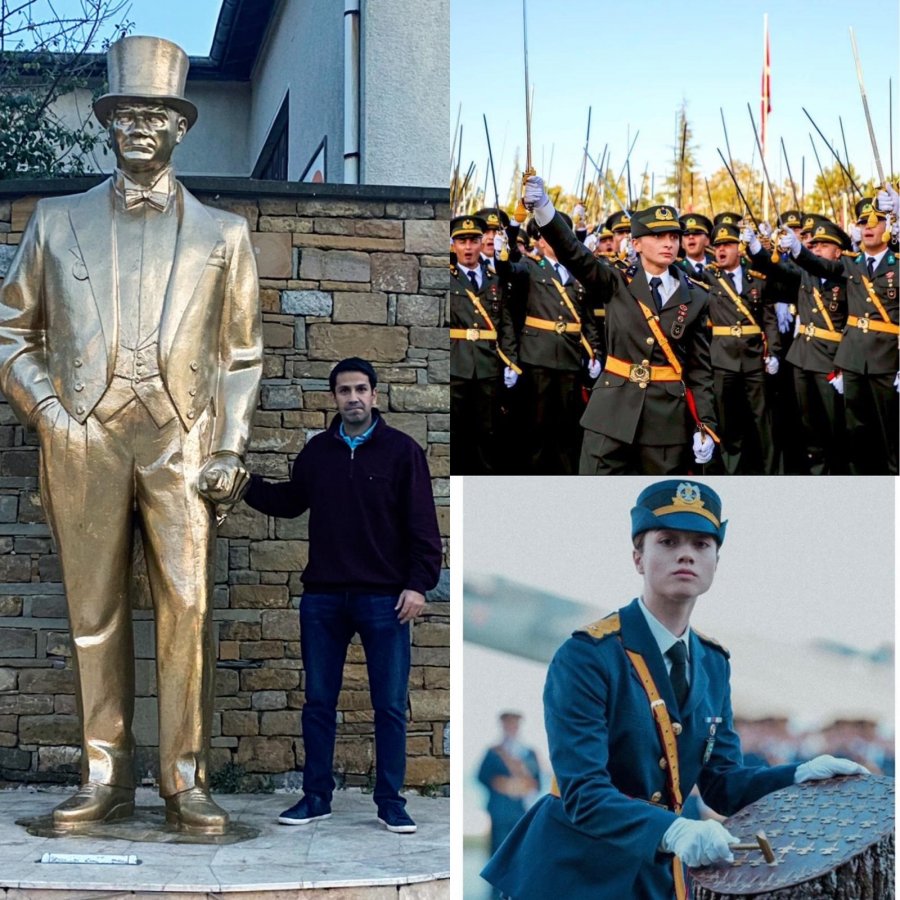
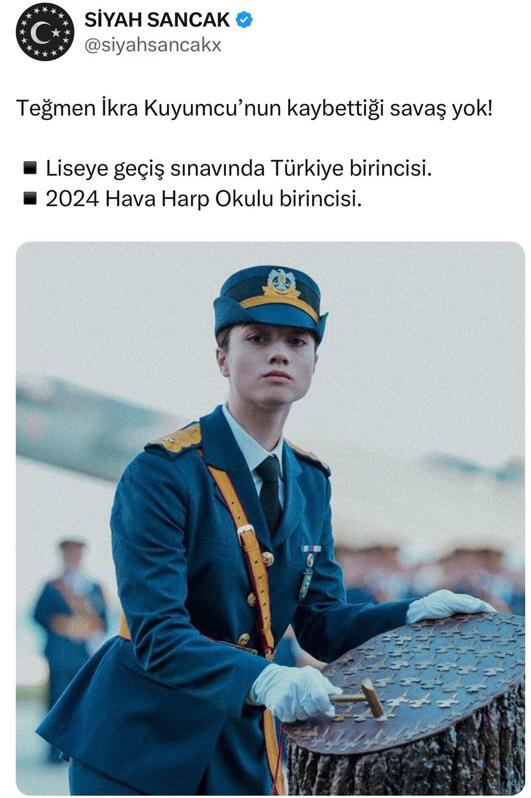
It deeply bothers me that these newly commissioned lieutenants are being attacked instead of applauded for their admirable gesture. Still, I decided to wait and watch how the situation unfolded. That is, until I was sitting in a café right across from the CHP headquarters in Ayvalık’s town square and heard a public announcement from the municipality.
Though I don’t remember the exact words, the announcement went something like this:
“Dear residents of Ayvalık, due to the significance of today (though I wasn’t sure what the occasion was), we will soon sing the National Anthem together. We invite everyone to join us.”
What the National Anthem Evokes
Suddenly, the National Anthem started to play. Of course, while I was casually sipping my coffee, I immediately put my cup down, stood at attention, and began singing the anthem myself.
In front of me, to my right and left, everyone around me—including neighboring cafés, nearby shopkeepers, and people walking in the street or standing in the square—stood at attention and sang the anthem in unison.
Only three bearded men in traditional garb (whom I assumed to be immigrants) continued taking photos during the anthem. The man in front of me couldn’t take it any longer, stopped singing, and shouted, “Look at these jerks, taking pictures during the National Anthem!” As people around them started giving disapproving looks, they seemed to realize something was wrong, stood up, and stopped their disrespectful behavior.
A Beautiful Moment That Eased My Mind
Given the number of recent incidents that clash with the values of the Republic, what I witnessed in Ayvalık was a breath of fresh air. I thought to myself, “Here they are—Mustafa Kemal’s soldiers. Everyone in this square who stood at attention and sang the National Anthem is a soldier of Mustafa Kemal.”
We’ve reached a point where things that would have once provoked serious consequences are now being normalized. For instance, what could be more normal than young lieutenants shouting, “We’re soldiers of Mustafa Kemal”? That army was founded by Mustafa Kemal Atatürk. It was Atatürk and his comrades who launched the War of Independence and who, by winning every battle they fought, gifted us an independent homeland.
Whether they are fresh graduates or veterans who have served the army for years, what could be more natural than Turkish soldiers being Kemalists and proudly declaring, “We’re soldiers of Mustafa Kemal”?
My Own Grandfathers as Examples
I know this from my own grandfathers. My maternal grandfather, a Korean War veteran (Ali Öztürk from Trabzon), once beat up a man for disrespecting Atatürk (my uncle told me this story). My paternal grandfather (Hasan Süzer from Malatya) never went without his Atatürk pin on his lapel. He was a true admirer of Atatürk, never tolerated criticism against him, and praised him in every setting. He was also a close friend of Atatürk’s adopted daughter, Ülkü Hanım. While running the Pera Palace Hotel for 35 years, my grandfather Hasan personally collected most of the items displayed in the Atatürk Room there. I also know he paid a hefty price to acquire and display those items in that room.
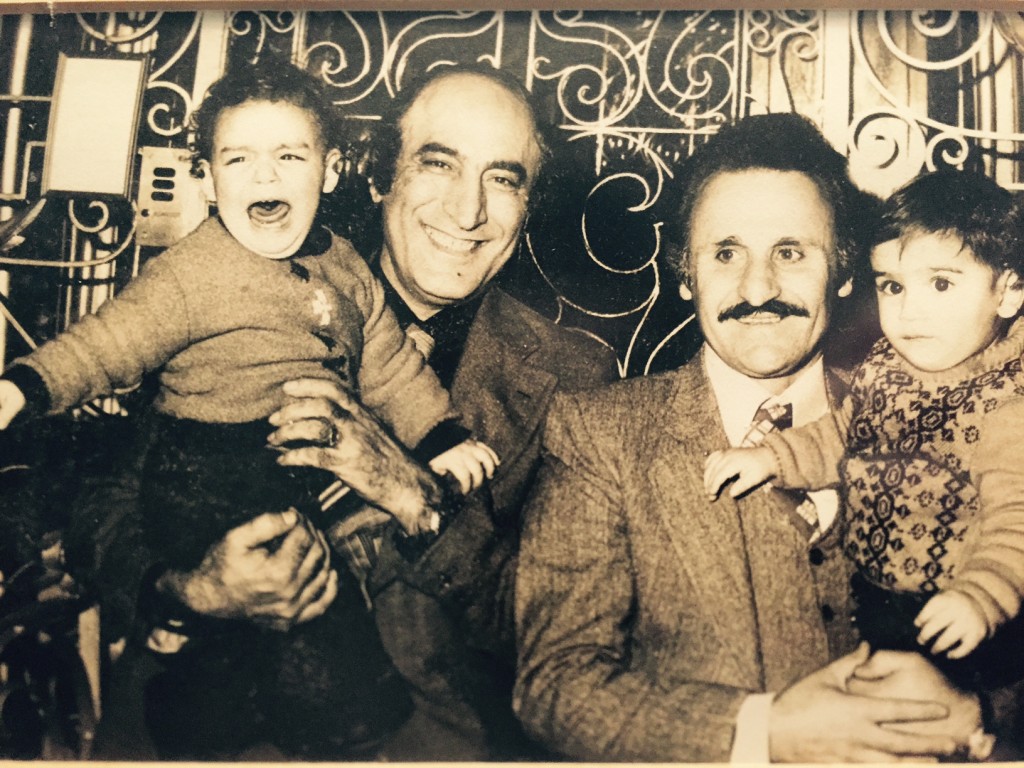
The photo above was taken in front of Pera Palace’s famous elevator (Turkey’s first elevator). On the left is my grandfather Hasan, and on the right is my grandfather Ali. My twin brother Baran is in Hasan’s arms, and I’m in Ali’s.
Today, we have young officers with bright futures ahead of them, preparing to officially serve in the army founded by Atatürk. And yet, after drawing their swords and proudly shouting “We are soldiers of Mustafa Kemal” during their commissioning ceremony, they’re being threatened by ignorant, unqualified flatterers. Some are even calling for investigations into them. It’s incomprehensible.
A Painful Historical Parallel
I see this as a softer, modern-day version of the Menemen Incident. That, too, was a collective attack. A brief reminder: The Menemen Incident, or the Kubilay Incident, occurred on December 23, 1930, in Menemen, İzmir. It involved the murder of Mustafa Fehmi Kubilay, a teacher serving his military duty as a reserve officer, along with two local guards, Hasan and Şevki, by a group demanding Sharia law.
Kubilay called on the protesters to surrender but was wounded by gunfire, then beheaded. The guards resisted and injured some attackers, but they were also killed in the clash.
Derviş Mehmet, also known as Giritli Mehmet, was the one who killed Lieutenant Kubilay during the Menemen Incident. He was shot during the event and later executed along with his accomplices.
Protecting Our Precious Youth Is Paramount
Today, we once again have promising young officers, like Kubilay. But instead of threatening their lives, people are subjecting them to psychological warfare—publicly or through the press—trying to destroy the very foundations of their training and identity. It is, again, a coordinated attack. Only this time, is the war psychological rather than physical. The country is overrun with trolls, and unfortunately, these immoral and dirty tactics are being used to intimidate the opposition and gain control.
Let me be very clear: the officers you are now targeting and attacking without restraint may one day rise to positions of authority as the true defenders of this nation. And when they do, those who tried to torment them today may no longer have the power they once relied on. The Republic has already suffered enough. Its foundations and values have been repeatedly undermined—and the damage continues. But divine justice exists. From now on, we must be more careful in how we treat those who are valuable—or have the potential to be valuable—to our Republic.
Eventually, things will fall into place, and the good will always prevail.
Tag: education