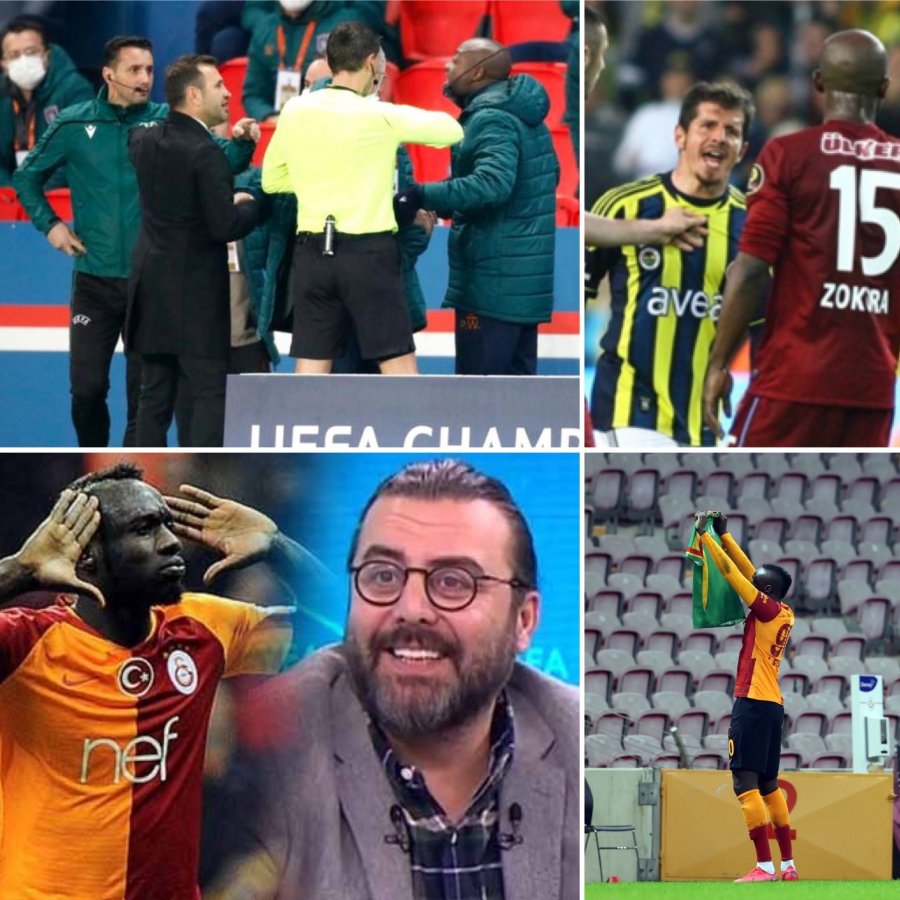
The first incident I mentioned was when Galatasaray’s Senegalese forward Mbaye Diagne warmed up before the Hatayspor game wearing the jersey of his compatriot Papa Bouba Diop, who died at the age of 42. After scoring a goal, he went to the sidelines and showed Diop’s jersey to the cameras. Despite his ups and downs and often displaying the immaturity required by professionalism, I admired Diagne’s behavior.
Papa Bouba Diop, a former Senegalese soccer player who played for clubs such as West Ham, Fulham, Portsmouth, Birmingham, and Lens, died of cancer at the age of 42. Diop scored for Senegal against France in the 2002 World Cup. After scoring against Hatayspor, Diagne expressed his feelings by saying, “I dedicate this goal to Papa Bouba Diop. He was like a big brother to me in Senegal. He did so much for us.” (See: https://www.star.com.tr/spor/mbaye-diagne-bu-golumu-papa-bouba-diopa-armagan-ediyorum-haber-1592520/ ).
A message-themed T-shirt idea for Azofeifa
This gesture immediately reminded me of an experience I had. As you know, I currently serve as honorary consul of Costa Rica. About eight years ago, when I heard that Costa Rican attacking midfielder Randall Azofeifa had been transferred to Ankara’s prestigious sports club Gençlerbirliği, I had an idea and took immediate action. I contacted Azofeifa. I spoke to him once in person and a few times on the phone and shared my idea for promoting Costa Rica: “I’ll give you a T-shirt with a nice message. If you score against one of the big three, you take off your jersey and show this shirt to the cameras.” I asked, and he agreed.
I immediately had a designer friend make the T-shirt, which read, “Greetings to my heavenly homeland, Costa Rica.” I had it made and sent it to Ankara. He confirmed his receipt. The following week, as fate would have it, my favorite team, Galatasaray, played a game against Gençlerbirliği. I found myself contradicting myself in this sudden situation. I resolved this contradiction internally as follows: Let Azofeifa score in this game and show the shirt to the cameras, but let Galatasaray win.
Goal, but no shirt
The game didn’t end as I’d hoped, but at least Galatasaray stayed in the game. The game ended in a 3-3 draw, with Azofeifa scoring Gençlerbirliği’s first goal with a superb shot with the outside of his foot as the ball arrived. You can watch Azofeifa’s goal at https://tr.beinsports.com/lig/super-lig/goller/2012-2013/8/genclerbirligi/randall-azofeifa-10173 . When Azofeifa scored, I was glued to the screen. The Costa Rican celebrated but did nothing. I was disappointed. I remember saying to myself, “Come on, show me the shirt,” as I watched the game on screen. But it was in vain. I called him on Monday and asked him why he didn’t show me the shirt after the goal. He replied, acting on his own logic, “If I had taken off the shirt and shown it, I would have received an unnecessary yellow card.” As someone who understands soccer, I immediately suggested, “If you consider this a risk, you can show the shirt without taking off the jersey. In fact, if you hadn’t worn it at all, just taken it from the bench and shown it to the cameras, there wouldn’t have been a risk.”
The goal was to draw attention to Costa Rica
He said he could do that next time. If I remember correctly, Gençlerbirliği’s next game was against Fenerbahçe. Before the Fenerbahçe game, I texted Azofeifa and said, “Please don’t forget to take the shirt with you this time and show it to the cameras.” He replied, “Okay.” As fate would have it, Azofeifa scored again, but again, we saw no action.
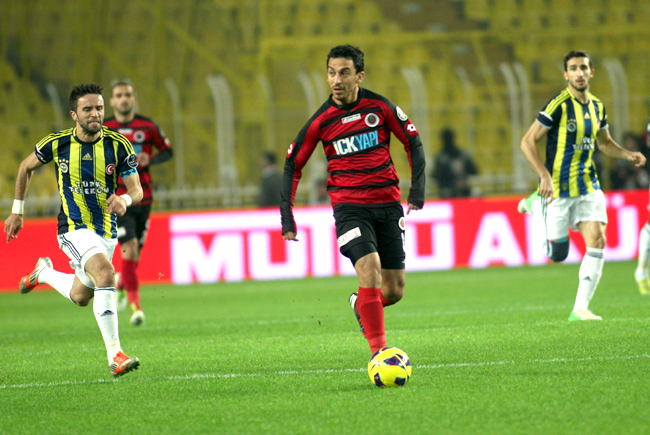
I’d explained it to him many times. I’d explained that if he sent a message like “Greetings to my heavenly homeland, Costa Rica” at games against the top three teams with high ratings, everyone would be talking about Costa Rica the next day. Frankly, I was aiming to bring Costa Rica’s name to the forefront. However, when he didn’t do anything during the Fenerbahçe game, I realized he didn’t want it and wouldn’t do it. I sent him a message along the lines of, “You could have told me from the start that you didn’t want to do this.” After that, I didn’t ask him anything else.
When Diagne showed Diop’s jersey to the cameras during the Hatayspor game, this incident immediately came to mind. I wanted to share it with you.
A big reaction to the term “Negro”
Last week, we witnessed another interesting incident. Başakşehir, representing Turkey in the Champions League, traveled to Paris St. Germain (PSG) to play their final group game. No one was hopeful about this game. Frankly, I told myself before the game, “They’ll just have to keep the lead.” Unfortunately, the outcome wasn’t like that. However, the conversation was more about what happened during the game than the score.
When Başakşehir assistant coach Pierre Webo objected to a play during the game, the fourth official, Sebastian Coltescu, directed the referee, “Throw that negro off,” and when everyone heard him say this in a game played behind closed doors, all hell broke loose. Webo rightfully called the referee “you can’t say that to me,” referring to the word ‘negro,’ which evokes slavery. The fourth official defended himself after the game, saying, “I didn’t call him a negro; I used the word ‘negru,’ which is used in our language.” Demba Ba provided the best response to this defense, whose apology was worse than his offense: “When you’re talking about a white person, you call him this guy. So why are you talking about Webo as this black guy? You need to fix your vocabulary.” As a result of all these events, Başakşehir manager Okan Buruk made a decision we can be proud of and pulled his team off the field. PSG then supported Başakşehir and sent their team to the locker room. Both teams declared that they would not play unless the referees were changed. The main reaction was directed at the game’s fourth official. However, they also claimed that the referee was passively supporting the fourth official. That night, UEFA made a historic decision: they overturned Webo’s red card and postponed the game until the next day, deciding to play from the 14th minute, which had been stopped. Of course, the Romanian referees were replaced by Dutch referees. The next day, the game resumed from where it had been stopped, and PSG defeated Başakşehir 5-1.
Examples of Hypocrisy
Başakşehir, a name unknown in the European arena, took a justified stance and made headlines across Europe. Since I have a habit of examining the details of every situation, I’d like to share some details and provide an analysis of this incident. I would like to point out that this incident, in which we take a justified stance, presents hypocrisy from many perspectives. I can sometimes offer harsh criticisms to help our beloved country achieve better. At the root of this lies the sentiment and thought of “wanting our country to achieve better.” Let me state this from the outset. Regarding hypocrisy, here are the reasons:
1) “Gypsy” versus “Negro”!
While discussing the tension stemming from the use of the word ‘negro’ to refer to Black soccer players, a member of the Başakşehir team is heard saying: ‘Gypsy referee!’ Haydaa criticized the word ‘negro’ as racist, but where did the word “gypsy” come from?
It has even been learned that Başakşehir has been added to the investigation launched into the Romanian referee for this very reason. Let me share the news from the national press: The racism crisis is growing… Irkçılık krizi büyüyor… Başakşehir’e de soruşturma – Spor Haberleri (sozcu.com.tr)
2) Emre Belözoğlu’s record of racism
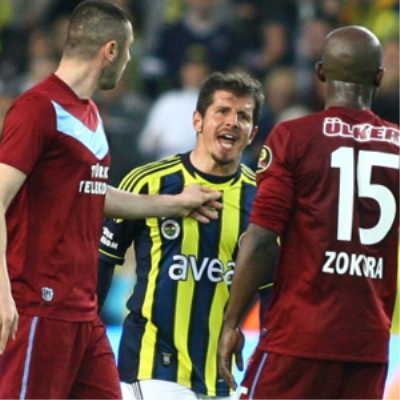
Hasn’t Başakşehir, which takes a firm stand against racism, given Emre Belözoğlu the captain’s armband and held him in high regard for years? Everyone knows about Emre’s experiences with racism in England and Turkey. While playing for Newcastle United, he racistly insulted Bolton player El Hadji Diouf. While playing for Fenerbahçe, Belözoğlu made racist remarks to Trabzonspor player Didier Zokora. Emre’s career was on the brink of collapse due to racism, and the people around him who protected and supported him are equally responsible for racism. We all remember, as if yesterday, that Zokora, in response to his racism, refused to shake his hand in the next game, and that Emre was subjected to very harsh interventions in the Trabzon game.
3) Conflicting Reaction from the TFF
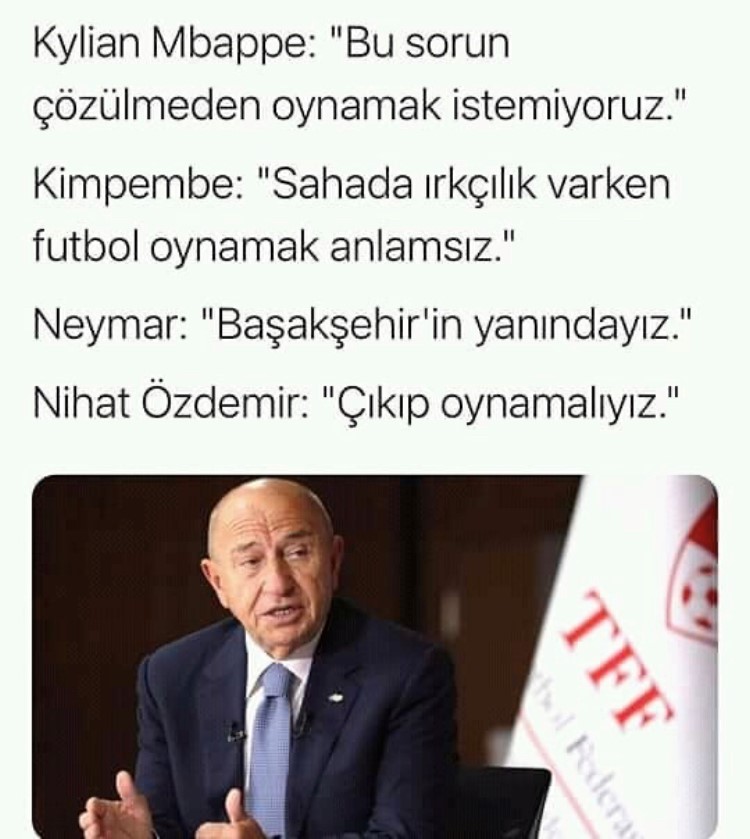
Başakşehirspor, with the support of Başakşehir manager Okan Buruk and president Göksel Gümüşdağ, reacted justifiably, declaring they would not play until the referees were changed. However, we didn’t see the same reaction from Turkish Soccer Federation President Nihat Özdemir. The federation president declared, “We must go out and play.”
4) The “He was eating crocodiles” statement
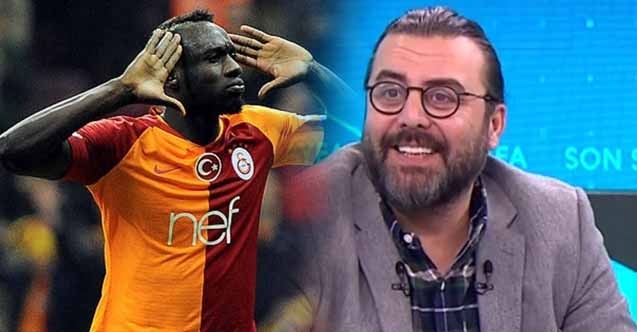
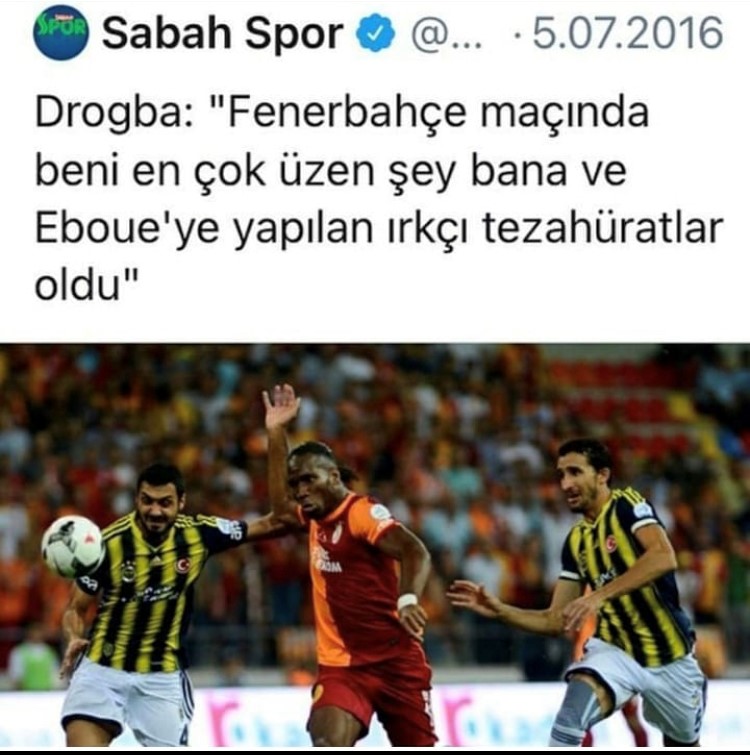
About a week before the PSG-Başakşehir game, Emre Bol, who appeared on television as a sports commentator and is known for his die-hard Fenerbahçe fandom, made an extremely racist remark about Diagne, saying, “He was eating crocodiles there, but he came here and became a soccer player.” You can watch the footage at https://www.youtube.com/watch?v=4sCEVelX3-8 . The same Emre Bol also declared about Başakşehir assistant coach Webo, who had played for Fenerbahçe, “Webo is my brother. What was done to him was done to all of us.” You can read this on the Twitter account at https://twitter.com/emrekbol/status/1336412380868325378 . The equivalent in our beautiful Turkish is “what kind of diet is this, what kind of sauerkraut is this?” The bigotry at the root of racism isn’t limited to comments about race, in other words, racism; you can also observe the most extreme levels of bigotry in team supporters who have long since surpassed fanaticism. In my opinion, partisan bigotry is just as dangerous as racism. In other words, treating another team’s Black player with the harshest racist scorn while protecting another Black player who played for their own team clearly demonstrates this hypocrisy and bigotry from another perspective.
5) Monkey and banana references
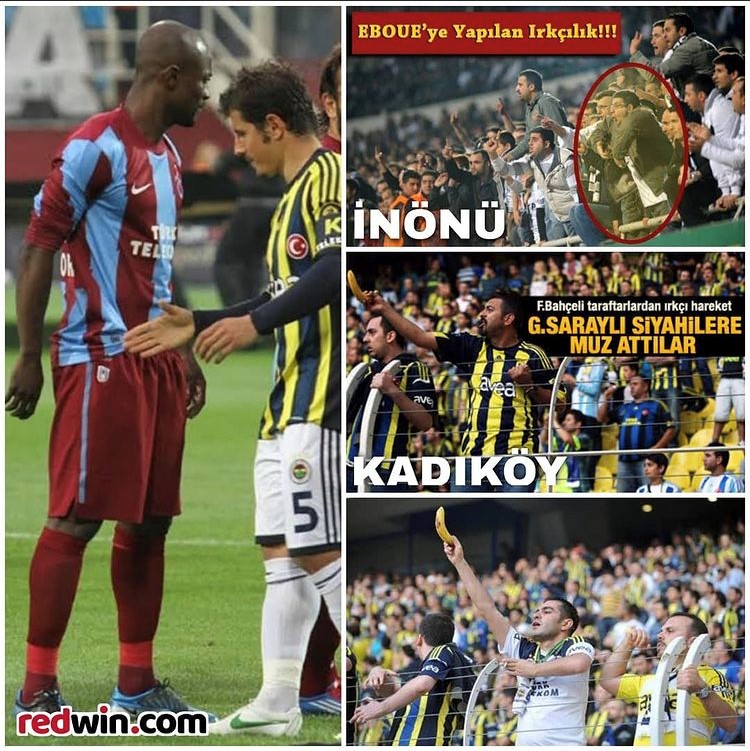
In Turkey, racist gestures such as monkey noises and displaying bananas have also occurred in the stands at games involving Black soccer players. This should not be allowed. Condemning what happened to Webo within the same fan groups is, in my opinion, hypocritical. If you are so against racism, then first prevent outdated actions like monkey noises or banana displays in your own stadiums.
6) Racism within Our Own Mosaic
Turkey is a vibrant mosaic comprised of citizens of diverse ethnic backgrounds. However, it’s a fact that ethnicities are particularly sensitive, even bordering on racist rhetoric. The chanting of “Anyone who doesn’t stand up should be Armenian,” to rally the fans in the stadiums, or the attack on players or officials of Kurdish-origin clubs like Amedspor (though similar reactions occur on their home turf, and it’s completely unbecoming of them), demonstrates that racism isn’t limited to skin color; it’s also based on ethnicity. Remember, the claim that “Kurds or Armenians are separatists” is profoundly flawed. I personally know many citizens of Kurdish and Armenian descent who are deeply patriotic and make significant contributions to our country.
Therefore, to transform Başakşehir’s justified stance during the PSG game into a shared consciousness, the hypocrisy I mentioned above must end. If we can resolve these issues as a country, then we will have fully underscored Başakşehir’s justified stance. Otherwise, this will be nothing more than a show, and no one will take us seriously.
I’m sharing it again to remind you of my anti-racist blog post, “The never-ending plague in the brain: Racism”: https://www.serhansuzer.com/tr/beyinlerde-hic-bitmeyen-veba-irkcilik
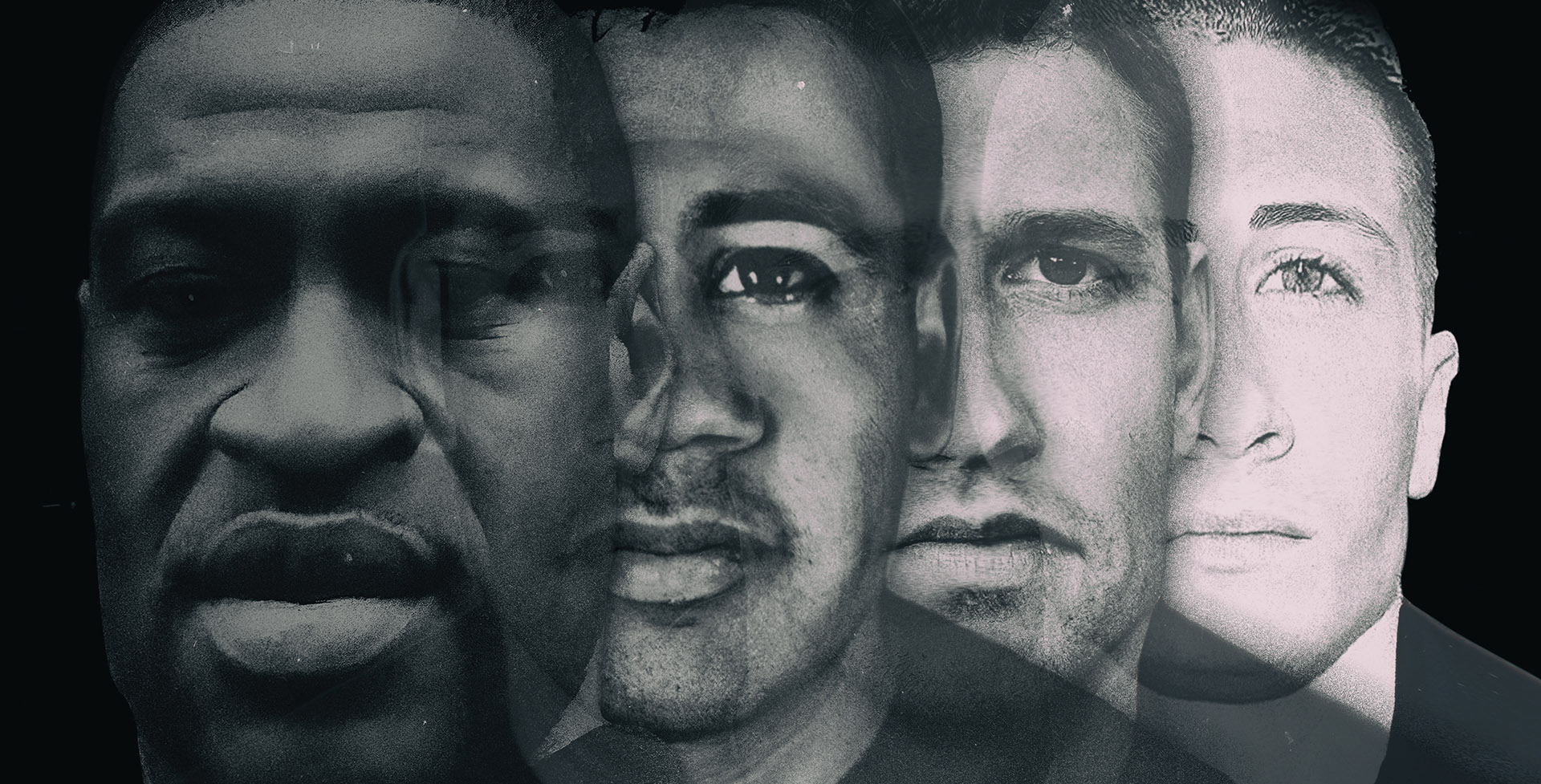
Nevertheless, our collective support for Webo and our unanimous “No to racism” has been heartwarming. I hope this is a beginning.
NO TO RACISM!
Bonus 1: Racism and bigotry are not innate. They are learned behaviors over time, influenced by a toxic environment. This video is proof of this: https://www.instagram.com/p/CIlvaVUFfLR/?utm_source=ig_web_copy_link
Bonus 2: At the end of such a depressing article, I’d like to share with you a refreshing reunion: Galatasaray – Juventus maçının yıl dönümünde eski dostlar… (facebook.com)
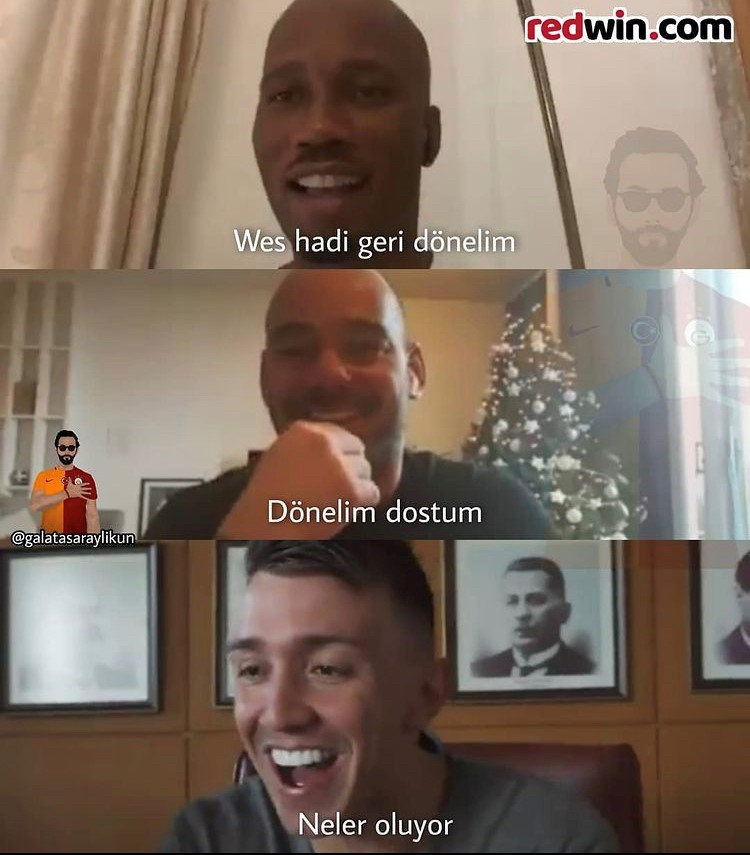
Let’s meet via Zoom: Drogba, Schneider, Muslera, and Riera—legendary soccer players who have etched their names in golden letters in Galatasaray history with their performances and character—and while commenting on the Juventus victory, Drogba said, “Come on, Wes, let’s go back,” and Muslera joked, “I won’t finish my career until I get my name on this wall.” This beautifully illustrates the players’ commitment, loyalty, and teamwork. Putting aside racism and bigotry, this is what we want to see in all teams.
Tag: memoir