While the public debates the high prices of popular Turkish destinations like Çeşme, earlier this month Melis Alphan wrote an article in her column in the Hürriyet newspaper entitled, “Why should we get ripped off in Alaçatı? Are we stupid?”http://sosyal.hurriyet.com.tr/yazar/melis-alphan_350/niye-alacatida-kaziklanalim-aptal-miyiz_40137284
I met Melis Alphan at an event organized by my mother, and while I personally find many of her articles disrespectful and offensive, I agree with her on this point.
Does anyone remember the state of Alaçatı in the 1990s? Aside from a few surviving Greek houses, it was largely a place of dilapidated houses. Not many people visited Alaçatı and its surrounding area on their way to Çeşme, except for the public beach and surf school. You wouldn’t see many Istanbulites either.
Back then, my grandfather told me that Alaçatı would become a destination rivaling Bodrum. He shared similar thoughts with others. Those around him generally said that my grandfather had taken a big risk by building a hotel there and that there was no need to take such a risk at his age.
Istanbul’s Perception and the Acumen of Business Owners
My grandfather was right. Alaçatı’s current state has perhaps surpassed even his wildest dreams. Another view could be that the scales have gone too far. When a tourist area becomes very popular, the number of restaurants, boutique hotels, and all other businesses naturally increases. This popularity disrupts the supply-demand balance, sending prices steadily upward. Especially in a country like Türkiye, which sees opportunism as a curse and celebrates subculture, venue owners and other shopkeepers can inflate prices without a second thought. In a sense, I understand the cries of “Go Home 34” from the people of Izmir. However, I must also point out that there are also very decent Istanbulites who have moved from Istanbul to a place like Alaçatı and made it their home. Not only do they not destroy the fabric of their neighborhood, they contribute significantly to Alaçatı. They have a right to live here. The real problem is created by the Istanbulites (and often those from other major cities) who, operating within a mass culture, fill the places to overflowing during their holidays, and the greedy shopkeepers who seize this opportunity and exaggerate the prices, hoping to “get it.”
Essentially, every part of the Aegean is a paradise in every respect. The same applies to the diversity of renewable energy sources. The Aegean region is the only place in Türkiye with a full range of renewable energy sources, including solar, wind, geothermal, biogas, waves, and currents. As always, we are making this paradise a difficult place to live in. Not only us, but also our Greek neighbors, are among those who fail to appreciate the value of their geography. Greeks are actually very similar to us in many ways, especially the Turks living in the Aegean region. We are similar in many ways beyond religion and language.
While studying in Canada, we collaborated on many events with Greeks. Whenever we craved fish, we would go to Greek restaurants in Montreal. As president of the Turkish Student Association, I was also a member of the Greek Student Association, and we also had Greek students as members. One of my closest friends at the time was Yannis from Athens.
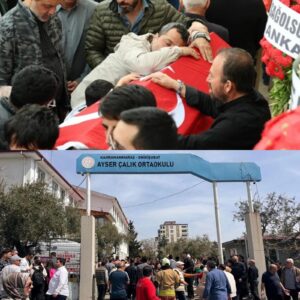
Our friendship remained strong after graduation. Ironically, I did my military service in the 11th Infantry Brigade in Denizli, which was expected to be on the front lines if war broke out with the Greeks. After my military service, I made many videos of this with Yannis. “If you had bothered me, I would have come there.” There’s a vast difference between the environment and the perception of the military during my military service and the current situation. It’s deeply flawed that photos of putschist commanders and soldiers being tortured and beaten were released to the media after the uprising, which was suppressed by Kemalist and secular soldiers. Unfortunately, this situation even became a laughing stock on social media.
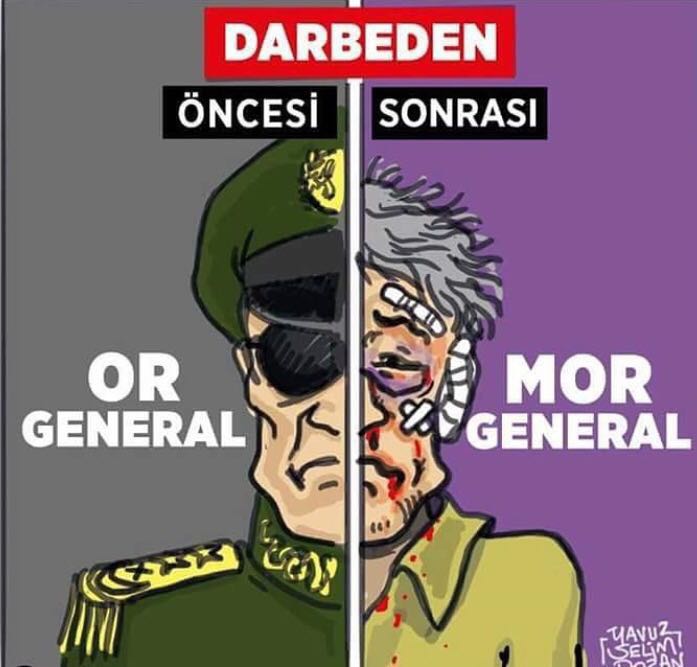
These tragic events are caricatured and shared on social media in this way: General Or-Mor
I’m setting aside the fact that these individuals take orders from an imam instead of their commanders in the army and are committing treason. They deserve every punishment within the framework of the law. However, to those who conceive of committing these tortures and releasing the images to the media, I would like to say the following:
- You are diminishing the value of the soldier, whom every Turk respects no matter what.
- You are subconsciously fueling the hostility between soldiers and police.
- According to universal values, even enemy soldiers should not be tortured.
- By presenting a SAT commando with a black eye to the media, you are diminishing the competence of even the most elite forces in our army.
- When a soldier enters a location, he also has a psychological advantage. This allows him to resolve many issues without firing a gun. However, because of these actions, the value and competence of the soldier has diminished, and the war on terror has become even more difficult from now on.
Instead of dealing with these issues, it would be much more beneficial to focus on eliminating the cancerous cells from the army, which you haven’t done for decades.
Some pleasant, some terrifying memories
Getting back to the topic, the last time we went on a blue cruise on a beautiful catamaran to the Greek islands was about four years ago, and we had a wonderful holiday with Yannis, his now-wife Loli, and other friends. Of course, they took me to the islands favored by Greeks, not tourists. Among these were Andros, where he had been visiting since childhood and where he got married, as well as Tinos and Syros. Believe me, the Greeks have much more beautiful islands to themselves than those touristy ones, and they truly enjoy the Aegean.
Of course, my memories of Greece during my university years weren’t always positive. During my third year of university, I noticed the summer school announcements at McGill University, where I was studying. You could take two months of accelerated courses in Brazil or Greece, and have them count towards your credits. Frankly, I wanted to go to both countries, but because I was more curious about Greece, I chose the operations management and international trade courses offered there. We traveled with faculty and students from McGill University and flew from Montreal to Athens.
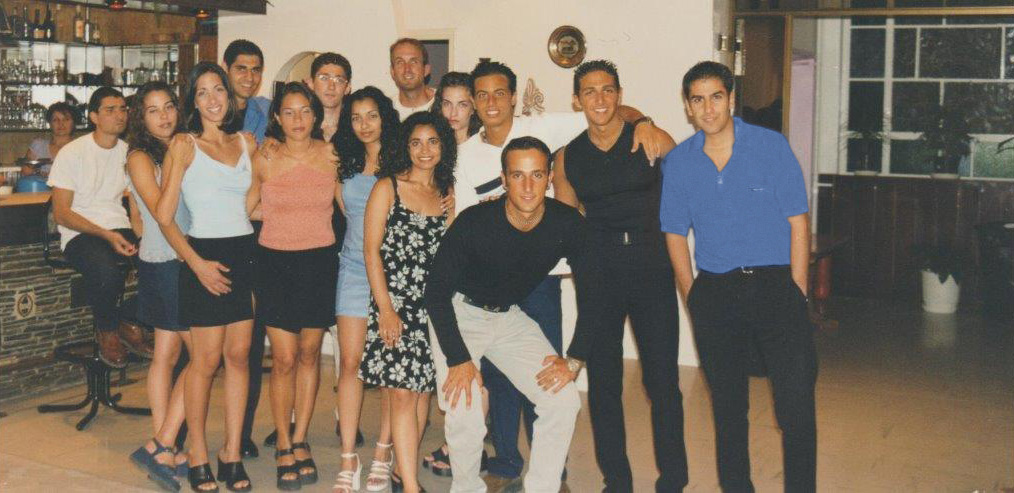
A picture we took with our McGill friends who went from Montreal to Athens in the first days
I experienced two unpleasant incidents during my summer school, which was a very enjoyable experience. One involved a theft at our hotel (I’ll write more about this later). The other was a very unpleasant incident that happened on the ship one weekend when 12 of us were traveling to Santorini.
We boarded the cruise ship around 10 p.m. On the advice of our Greek friends, we’d reserved seats in the VIP section of the boat for comfort. When the ship departed, everyone was in a great mood. Jokes were flying, and we were talking about what we were going to do on the island. The group consisted of four boys and eight girls. Besides me, the only non-Canadians were Singaporean students. However, since Canada is a country of immigration, there were Canadians of Colombian, Lebanese, Palestinian, and Indian descent. Our Greek friends hadn’t joined the trip.
Where do you call home?
Later that night, a Greek man sitting at the next table had finished half his bottle of tequila and started acting drunk. My Indian-Canadian roommate Amit and I were seated closest to him, and Amit, who loves to play pranks, started teasing the boy. This Greek man, maybe 5-10 years older than us, but still considered young, continued his jokes and antics with increasing enthusiasm. Everyone was laughing. The banter continued until he asked me where I was from. Then, the following exchange took place:
- Where are you from?
- I’m Turkish.
- Are you kidding?
- No, I’m serious.
With a sudden, very serious expression, he asked, “Are your other friends Turkish too?” My roommate, still in the mood for a joke, must have listened carefully to the Turkish history lesson I’d given him the day before, because he immediately replied, “Yes, we’re all Turkish.” At that moment, I had a feeling something bad was about to happen and told myself, “This isn’t going anywhere.” Then, when the Greek, who was constantly drinking tequila, pointed to the Singaporeans sitting right behind us and asked, “Are they Turks too? They don’t look very Turks.” Amit, continuing the joke, replied, “They’re Central Asian Turks too.” The boy’s face turned even redder and he angrily shouted at my roommate;
“Do you know? I’m Cypriot, and when you invaded our island, you Turks killed my brother!” This sudden outburst startled Amit and all the other traveling companions who had been listening intently. Amit turned pale.
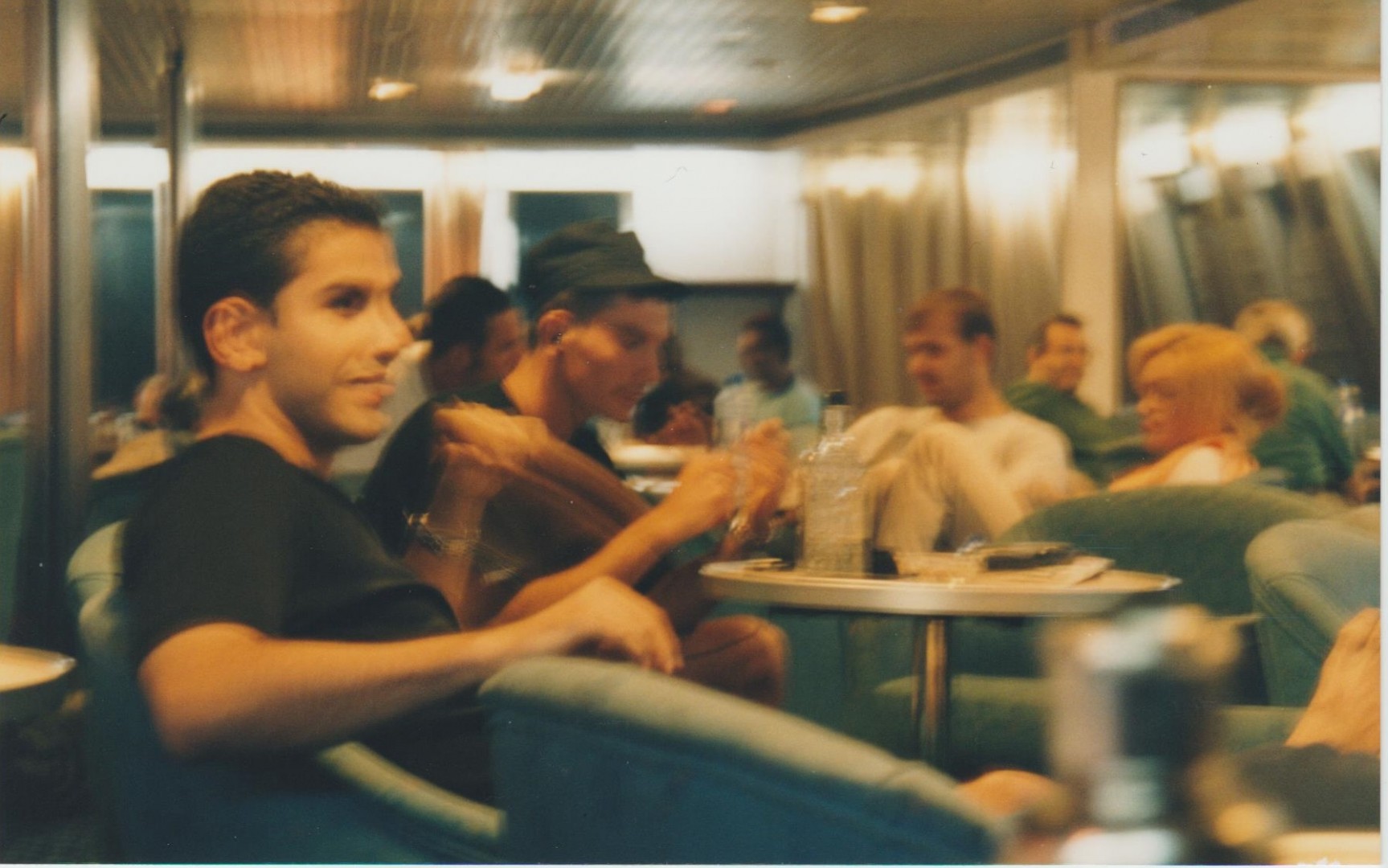
My friend who filmed the moment must have pressed the shutter with a shaky hand, because the photo is blurry. To give you an idea, here’s the moment.
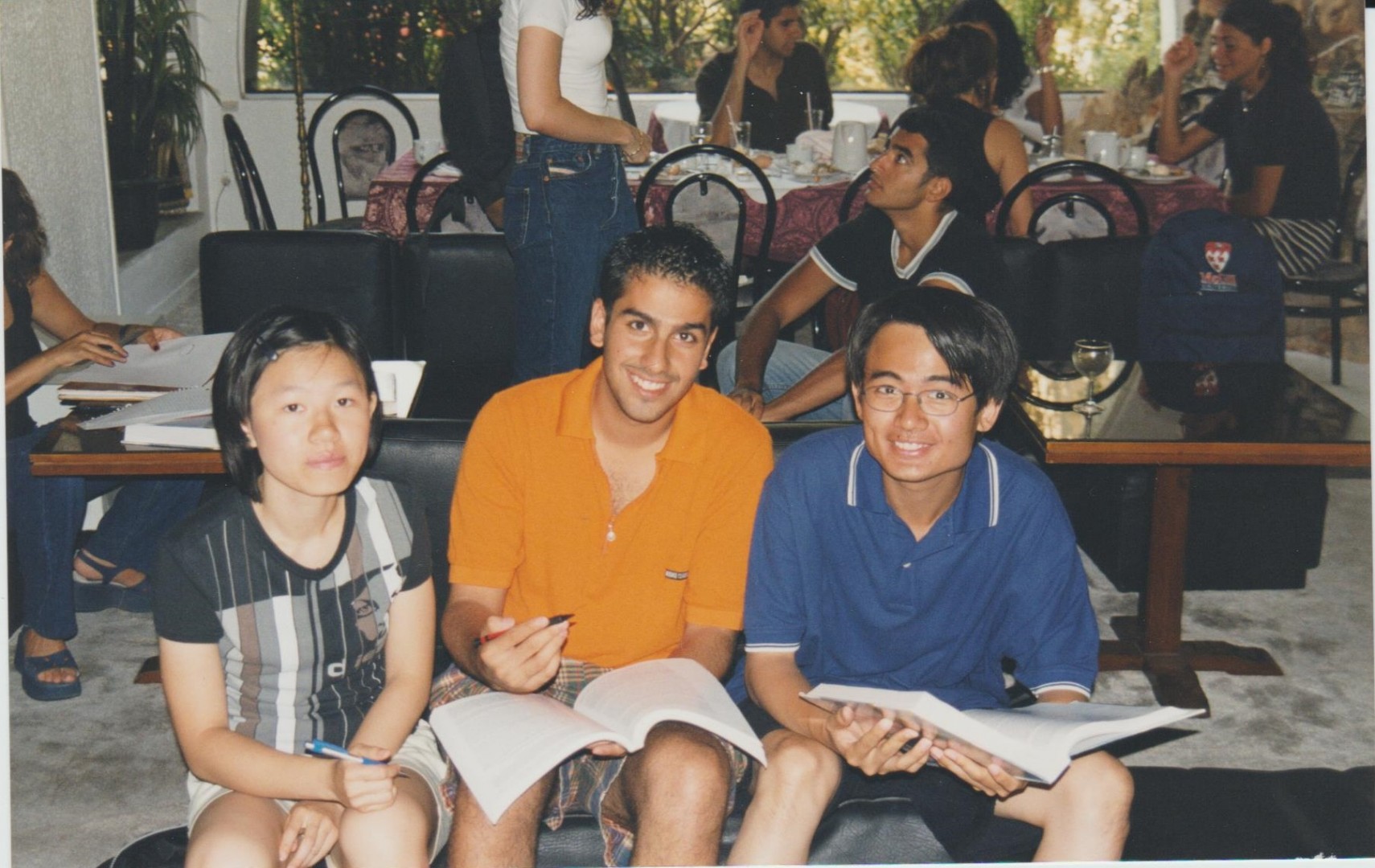
My roommate was studying with a Singaporean, whom I introduced as Central Asian Turks, at school in Athens.
To lighten the mood, I immediately intervened and told him that everyone there was born after the Cyprus operation and that he should remain calm. The following exchange ensued:
- Are you going to Santorini?
- Yes.
- This many Turks would only go to an island for one reason.
- (To lighten the mood) We’re going on vacation. We heard it’s a romantic island. The sunsets on the island are beautiful. Is that true?
- No; you Turks would only go to an island for an invasion.
- As I told you, we’re going on vacation. What kind of invasion are you talking about when there are so few men and everyone is wearing shorts and T-shirts?
- I know you well. You Turks are invaders.
- The incident in Cyprus happened in 1974. It’s 1998. I understand your trauma, but we have no other intention than having a nice vacation, believe me.
Just when the tension seemed to be over…
The conversation dragged on like bubble gum. He kept muttering, shouting things in Greek. Two hours later, the ship stopped at another island, the name of which I don’t recall. People were getting on and off at this point. Everyone was relieved when the Greek tequila seller also got off at this point. I told my roommate, “Don’t keep making these jokes and provoking people without knowing it.” I felt responsible for this. Amit said he couldn’t make sense of it. I told him, “I’ll tell you about the Cyprus incidents later, but please don’t make things worse by joking around in situations like this.” Just as he was about to reply, “What can I do? We’ve run into a psychopath,” the Greek tequila seller returned to our compartment and plopped down in the seat he’d occupied throughout the trip. But this time, there was something different. He had a large fishing knife in his hand. Sitting at the table, he slowly unsheathed it. My brave roommate suddenly hurled himself into the back area where the girlfriends were sitting. They were all screaming and yelling at me, “Serhan, get away from there quickly.”
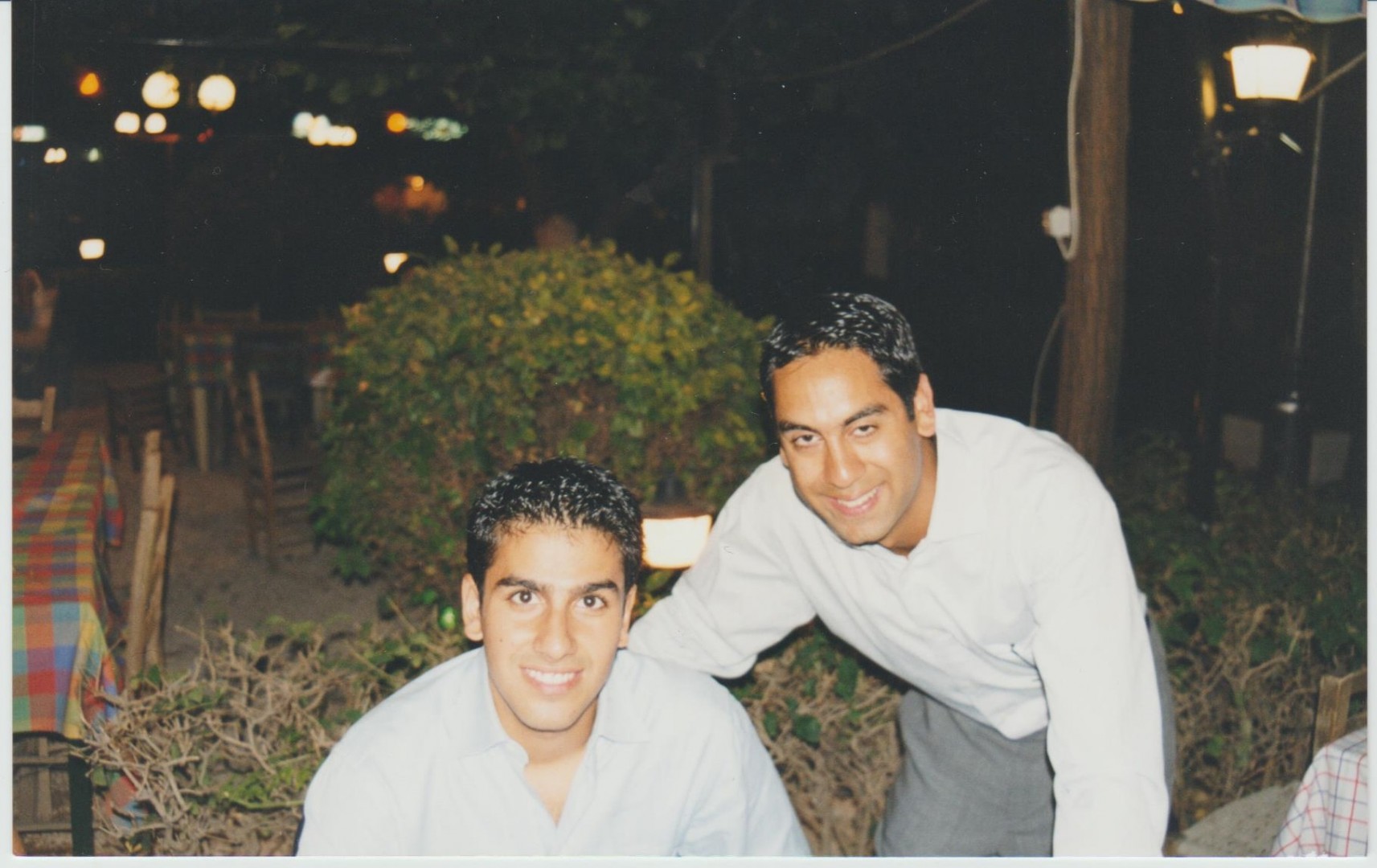
A photo of my braveheart roommate and me taken in Greece
I had to decide at that moment. “A drunk person is like a barking dog. If you run, they’ll chase you. Don’t make any sudden moves,” I thought to myself, and I decided to stay right there, right next to him. He showed me the knife and asked, “Now tell me, why are you going to Santorini?” he said. He was also touching the tip of the knife in his hand with his finger, bringing it closer to me. At one point, he turned around and said something in Greek. The entire compartment was watching us like a theatrical play. There was nothing quiet inside.
My friends were constantly shouting, “Serhan, get out of there, quick!”
A critical moment on a knife’s edge!
I have this personality for some reason. In situations where everyone is panicking, I find a sense of calm. I was watching the Greek tequila seller very carefully, without any panic.
Then what happened? God helped me.
As he was moving the knife closer and further away from me, his elbow suddenly hit the corner of the table, and he was momentarily caught off guard, dropping the knife from his hand.
He was just bending down to pick up the knife when, in a sudden reflex, I stepped on it. Then, with a jerk of my shoulder, I wrested it from his hand.
When I took the knife from his hand, the balance shifted. He froze in his seat and fell silent.
I asked him, “What do you think you’re doing? What right do you have to scare so many people?” I shouted. Then I told my friends, “Calm down, I have the knife.” Then I called out to the people in the compartment, asking where I could find security on the boat. When someone told me there was no security and that I could only speak with the captain, I asked where the captain was and went to the captain.
The Captain’s Test with an Incident
The following conversation took place between the captain and me:
- Someone pulled a knife on us in the VIP compartment.
- Why would they pull a knife?
- I don’t know. We were having a nice conversation, but when I told them I was Turkish, this fisherman came back from the first island he landed on, with a knife. Then he threatened me.
The captain responded with an answer I never expected.
- Well, normal.
- How normal?! If I told you that there were nine Canadians with me, and they were all terrified, and that this could turn into an international scandal, would you still consider this normal?
I was truly angry, and after saying this in my anger, the captain came to his senses and said, “There’s an empty cabin right next door. If you want, you can bring your friends there too.” “Take it, they’ll feel safe,” he said. I said “Okay,” and went up to our compartment to ask my friends. When I got out, what did I see? The Greek tequila seller had fallen asleep.
I told my friends what the captain had said, and they said, “Don’t worry, he’s asleep. The danger’s over for now. Let’s stay put.” Half an hour later, the Greek tequila seller started vomiting in his sleep. After throwing up several times and making a mess, the burly Greeks, who hadn’t intervened in our situation, grabbed him by the legs and arms and dragged him out.
An hour later, at first light, we reached the island. We were all overjoyed to have arrived safely. Afterward, we enjoyed Santorini.
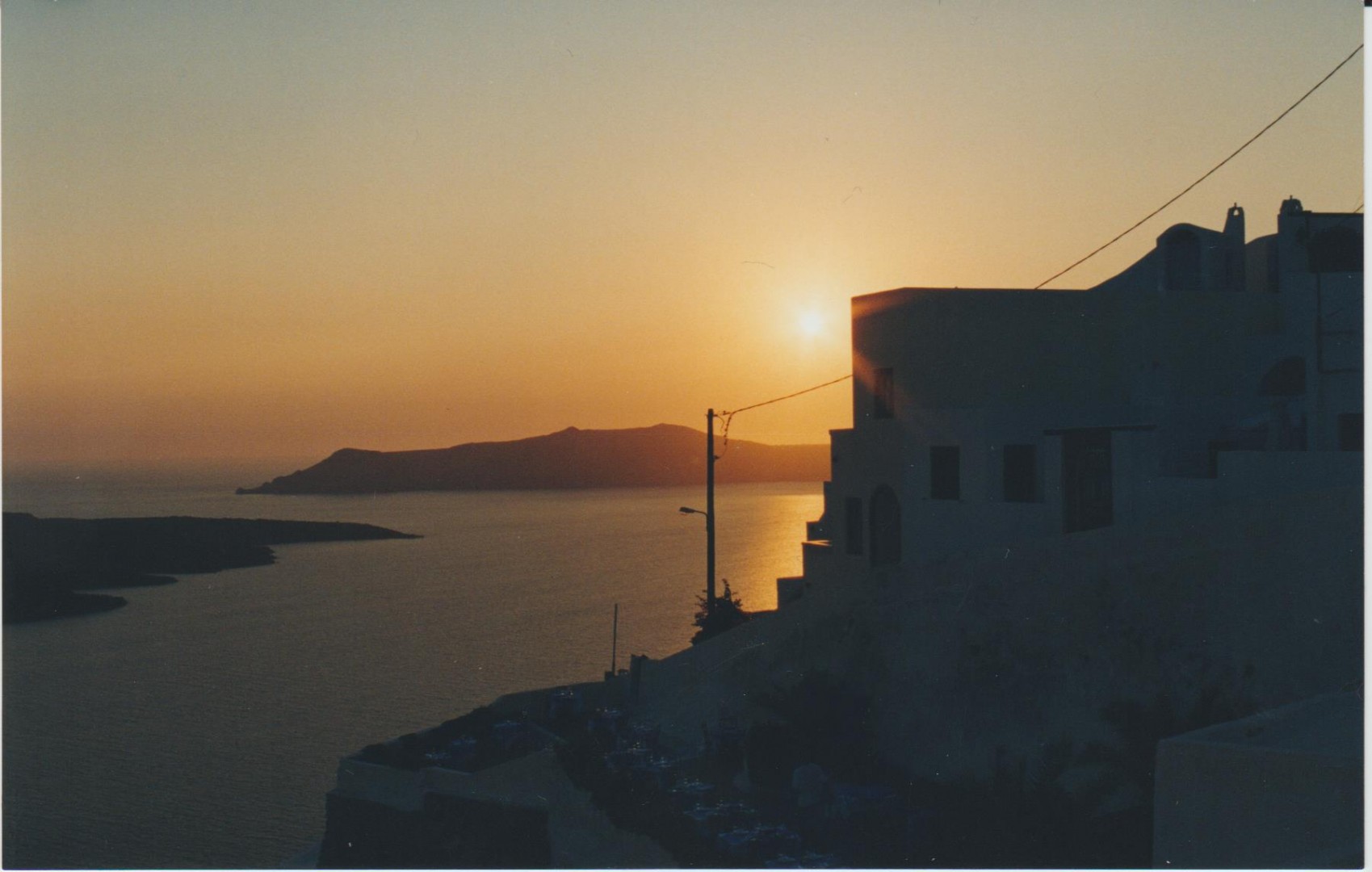
Magnificent sunset in Santorini
Neighbor Comments and the Turkish Coffee Test
To be honest, I didn’t blame the Greeks or Greek Cypriots for this incident. When I told my Greek or Greek Cypriot friends about it, they were naturally upset that we’d been subjected to such a thing. Some Greeks even reacted by saying, “He’s Cypriot, not Greek.” When I told my Greek Cypriot friends about the incident, they explained that unfortunately, this brainwashing continues, and that they still train themselves in the military to believe that “the best Turk is a dead Turk.” I shared this incident to illustrate the state of Turkish-Greek relations during my university years.
Back then, I was conducting Turkish coffee tests at the restaurants we visited. When I asked for Turkish coffee at Greek restaurants, I always received the same answer with a sullen expression: “There’s no Turkish coffee here, only Greek coffee,” and they’d bring me back the Turkish coffee we used to have. This is quite normal, because Greece has a similar coffee culture to ours, and they call the same coffee “Greek coffee” in their own country. Just like they call stuffed vegetables ‘dolmades’ or baklava ‘Greek baklava.’
I gave this example for the following reason. Over the past few years of my visit to Greece, I’ve repeated the same test several times. This time, their approach had completely changed. When I asked for Turkish coffee, they joked, “Did you know that the best Turkish coffee in the world is made in Greece?” and started bringing it to us.
This showed that relations and mutual perceptions had changed significantly. When I analyze how this perception has changed, two important reasons emerge. It may sound like a joke, but it’s true: the first is Turkish TV series. These series, which keep Greeks glued to their screens, have broken ratings records and instilled a genuine sympathy for Türkiye in Greeks. The second, and most important, reason is the economic crisis they’ve been experiencing for the past few years. At a time when Greece, plagued by constant economic crises and political instability, has lost popularity compared to previous years and seen a noticeable decrease in tourist arrivals, Turkish tourists have been a welcome relief.
That’s why, in Greece and the Greek islands where I’ve visited over the past few years, they’ve welcomed us with open arms, saying, “Our Turkish brothers and sisters.” In fact, I think they’ve long since grasped that we are two very close people. Go to any Greek island today and you’re sure to encounter Turks. Those who go to Mykonos for a fling amuse me. From Turks cheating on their spouses to those who are trying to stir up some secretive business, they usually go to Mykonos. What they don’t realize is that the place is full of Turks, and their actions are bound to reach someone in Türkiye. The last time I went to Mykonos, I started counting the Turks I encountered, purely out of curiosity. I stopped counting after surpassing 300 in two days. I knew at least 40 of them personally.
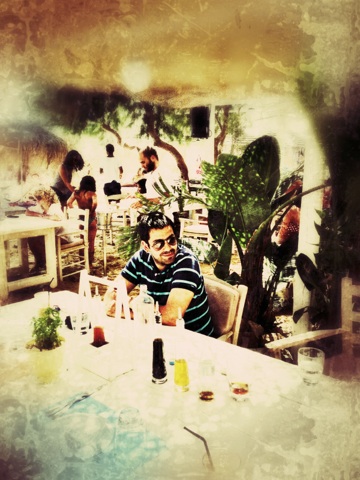
Sitting at a beach club in Mykonos
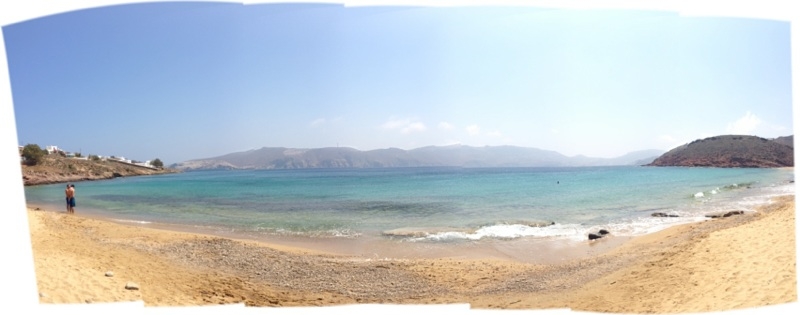
A beach in Mykonos
When Turks travel abroad, they feel like no one understands them. They can behave in ways they don’t normally do in Türkiye. I have many memories of this. For example, one day, two young women I knew from Istanbul were making obscene comments in Turkish on a painting of a naked man in an art gallery in Mykonos, unaware that I was nearby. I couldn’t understand why these people, who act so dignified and passionate about art in Istanbul, would take a photo of the painting and behave this way. I find it utterly repulsive that young women act like obsessed with paintings of naked men, and when I heard such obscene comments, I naturally left the gallery without greeting them.
As a result, Turks contribute significantly to the economy of Greece. This is why the Greeks, who used to frown upon us, now greet us as ‘brothers.’ We Mediterraneans are all emotional, after all.
We, our neighbors, and happiness…
Joking aside, there used to be a considerable number of Greeks who loved Turks, or Turks who loved Greeks. Unfortunately, mutual policies fueled hostility for many years. However, due to today’s changing political and socioeconomic climate, this hostility has begun to give way to friendship.
It’s also important to acknowledge that the seeds of this friendship were sown politically by the Foreign Ministers: İsmail Cem on the Turkish side and George Papandreou on the Greek side. For their contributions to Turkish-Greek friendship, İsmail Cem, along with Greek Foreign Minister George Papandreou, was awarded the ‘Statesman of the Year Award’ by the East-West Institute, headquartered in New York, in 2000.
On this occasion, I pray to God for Ismail Cem’s mercy. Another interesting point is that if you ask whether the Turks and Greeks, the two brotherly peoples of the Aegean Region—a region with wonderful nature, climate, and food, and abundant beautiful people—are happy, the answer will be that, unfortunately, both sides are distressed and unhappy. There are many reasons for this which I won’t delve into in this article.
However, Costa Rica, which I officially represent in Türkiye, topped the happiness index again this year: http://happyplanetindex.org/countries/costa-rica
How is it that this beautiful country in Central America, with a population of 4.7 million, is home to some of the happiest people in the world?
The answer is simple: the Pura Vida culture. It’s worth examining this Costa Rican culture, which prioritizes happiness: http://www.serhansuzer.com/tr/pura-vida-veya-yasami-anlamla-donatmak
In essence, it all comes down to the people. The reason Costa Ricans have such happy people is because they’re raised in a Pura Vida culture. The ill fortune of the Aegean paradise stems from the character of the people living on both sides. Both our country and our neighbor, Greece, have much to learn from the Costa Ricans. We need to focus on the fundamental training that builds character.
In this sense, I recommend you check out Good4Trust, which promotes the kindness we strive to create. At Good4Trust.org, we strive to create a social and economic environment filled with trust and kindness, guided by the principle of “do not do to others what you would not want done to you, treat them as you would like to be treated,” which forms the foundation of our ethical values. I will write a more detailed article about Good4Trust in the future.
In conclusion, leaving aside our neighbor, Greece, as citizens of the Republic of Türkiye, we need to refocus on universal values: love, respect, values, happiness, honesty, human rights, diligence, sustainability, merit, and continuous improvement.
Pura Vida!
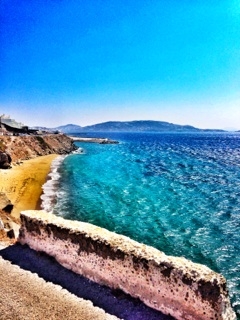
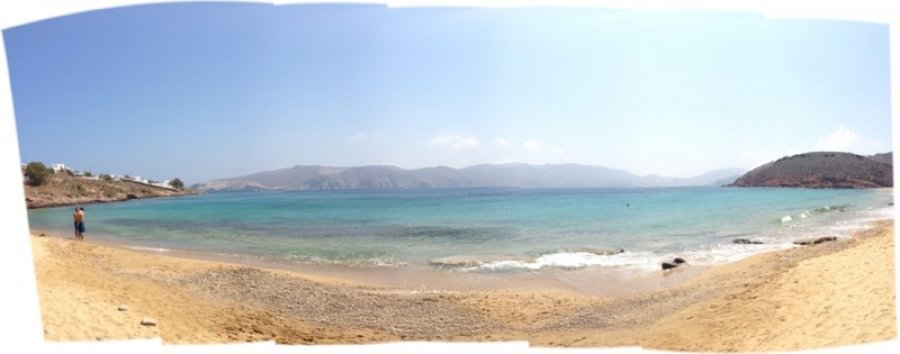
The Aegean Sea
Tag: memoir