We live in such times that not a week goes by without witnessing acts of violence against women or any other living creature. Unfortunately, the trend towards violence continues to escalate. Last month, after Ozan Güven, a well-known actor in Turkey, assaulted Deniz Bulutsuz, a media employee, and even the Ministry of Family and Social Affairs intervened in the case (https://www.ntv.com.tr/galeri/yasam/ozan-guven-ve-deniz-bulutsuz-davasina-aile-ve-sosyalpolitikalar-bakanligi-mudahil-oldu,R7e24jdYckemG3SX0Aj8Eg ), we are constantly receiving news about violence against women, including the incident of Özer Arkun, lead singer of the music band Rubato, and other developments. Unfortunately, there has been no shortage of such violent incidents, brought to the forefront by Ahmet Kural’s violence against Sıla. There’s even a list of celebrities who beat their ex-wives: https://listelist.com/siddet-uygulayan-unlu-erkekler/
The Murder of Pınar Gültekin
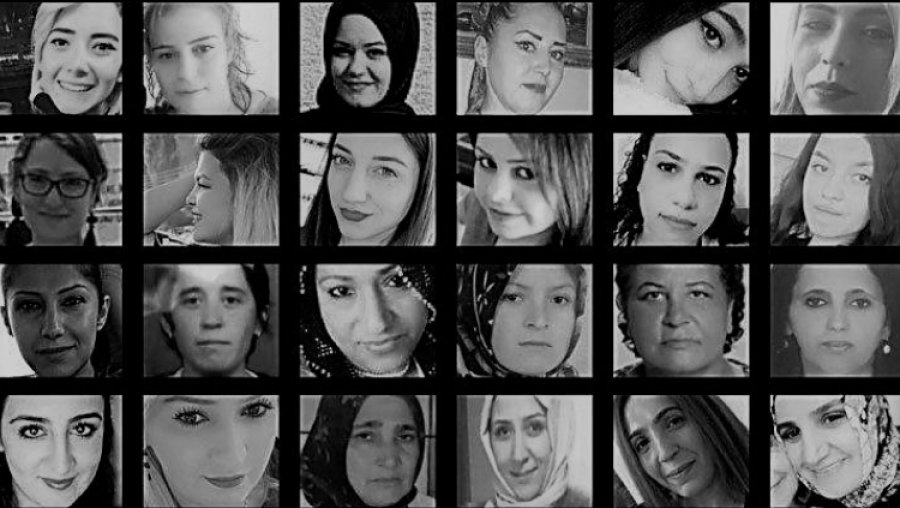
Of course, these incidents don’t just occur among celebrities. I’m sad to say that many women in Turkey are subjected to violence every day. The intensity of violence is steadily increasing. Amidst all this depressing news, Pınar Gültekin’s brutal murder sparked a public outcry and even a campaign. Everyone who saw Pınar Gültekin’s positively charged photo below was heartbroken, and empathetic women took action.

They shared their black-and-white photos, emphasizing their freedom and protesting these incidents, and called on world-famous women to support them with the hashtag #challengeaccepted. They responded with their support for women in Turkey. Here are the world’s stars supporting the #challengeaccepted campaign:
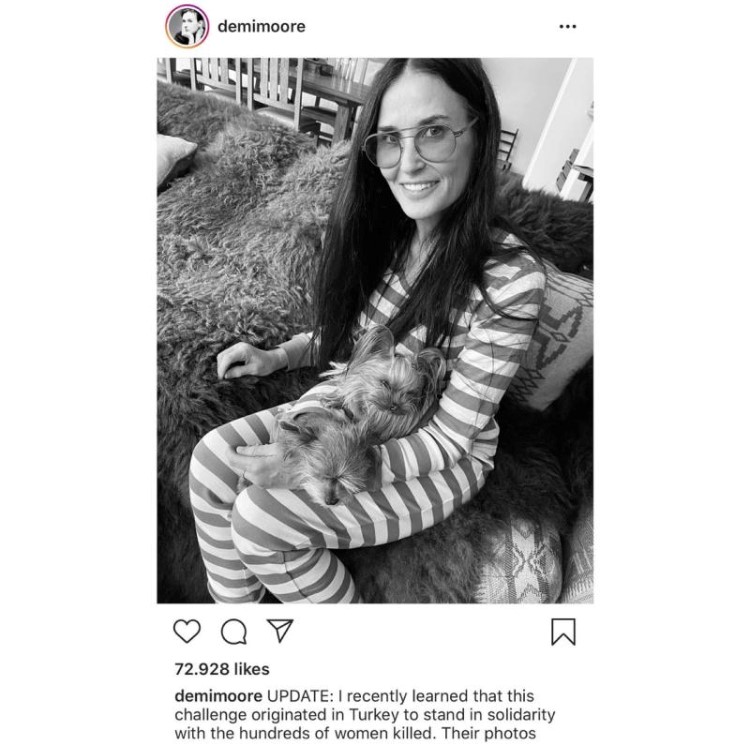
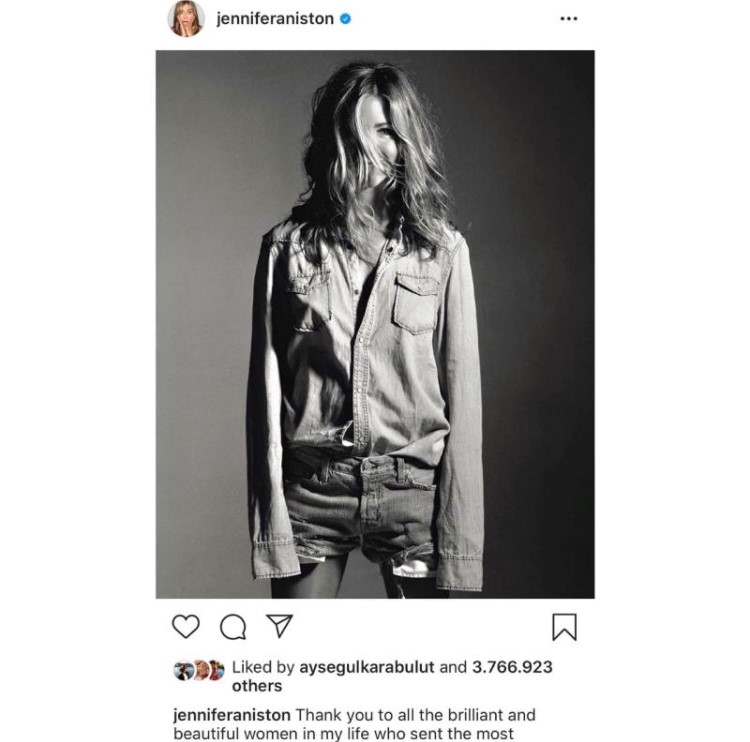
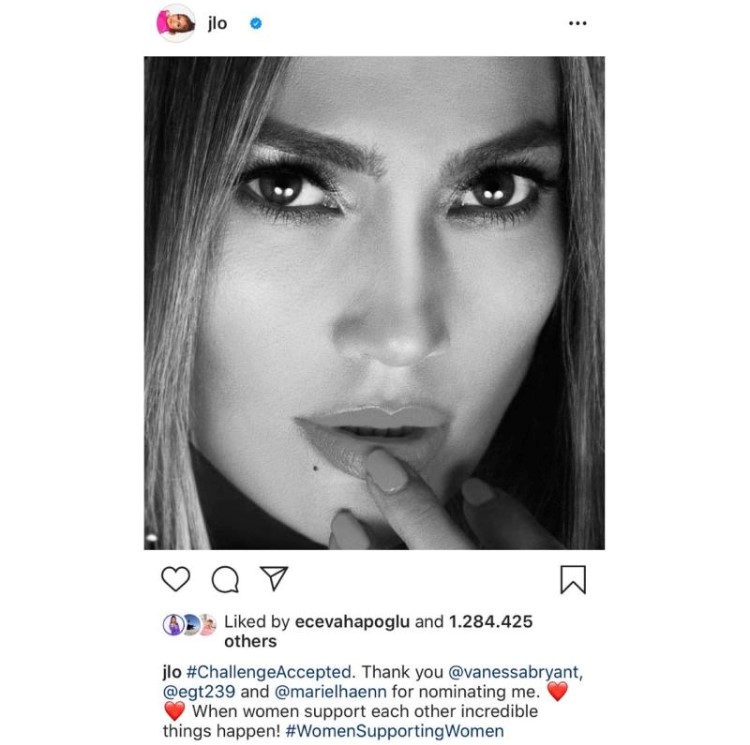


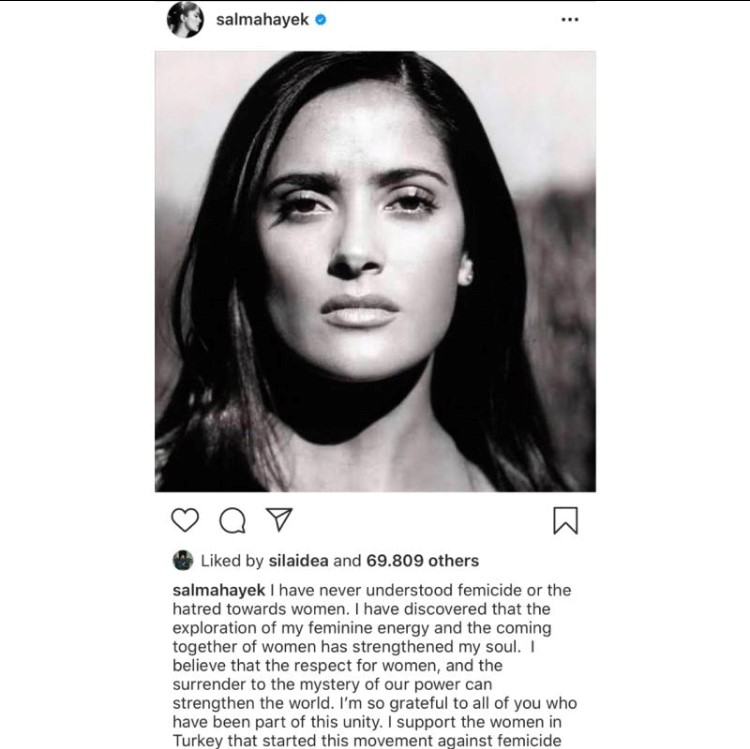
We’ve also seen articles detailing this campaign and explaining the situation: https://www.oprahmag.com/entertainment/a33433304/women-supporting-women-challenge-instagram/?utm_campaign=likeshopme&utm_medium=instagram&utm_source=dash%20hudson&utm_content=www.instagram.com/p/CDML0cigKjn/
Women referenced the Istanbul Convention in all their social media posts. Let’s briefly recall what the Istanbul Convention is:
The Council of Europe Convention on Preventing and Combating Violence against Women and Domestic Violence (the Istanbul Convention for short), opened for signature in Istanbul on 11 May 2011, and implemented on 1 August 2014.
The Convention, the first European convention specifically targeting violence against women and girls and domestic violence, has been ratified by 20 Council of Europe member states, including Turkey.
The First Legally Binding Document
Turkey signed the Convention on 11 May 2011, when it was opened for signature, and ratified it on 14 March 2012. The most important feature of the Istanbul Convention is that it: It is the first document that legally binds European countries and sets standards for preventing and combating domestic violence (e.g., violence by former or current spouses, non-marital partners, family members, relatives, or others living together) and all forms of violence against women, regardless of whether there is a biological, legal, or familial bond. For details, you can read the news at https://www.sozcu.com.tr/2020/gundem/istanbul-sozlesmesin-amaci-nedir-istanbul-sozlesmesi-nedir-5953742/. For more details, you can find the convention at https://rm.coe.int/1680462545 .
We cannot say that the Istanbul Convention has been adopted in every country. Some European countries signed and then rescinded their decisions, while others never signed. However, women in Turkey have generally reminded the public of this convention and actively demanded its implementation. These are all positive developments, but frankly, if I had to share my opinion, the Istanbul Convention reminds me of a mere formal agreement signed between countries but never implemented.
To get to the point, many women were brutally murdered alongside Pınar Gültekin: Özgecan Aslan, Şule Çet, Emine Bulut, and, unfortunately, many more. I’ve also written extensively in the past, focusing on equality, violence, and violence against women. I’d like to share links to three of them:
https://www.serhansuzer.com/tr/istismara-dair-yasa-teklifinin-dusundurdukleri
https://www.serhansuzer.com/tr/bayandan-kadina-esitlik-mucadelesinde-laftan-otesi-
https://www.serhansuzer.com/tr/birlesik-hosgoru-toplumundan-siddetistana
Here I repeatedly address the same problems and solutions. Unfortunately, we haven’t made any progress in recent years.
I can say that this #challengeaccepted campaign has only achieved its goal if it creates pressure and motivates politicians to take necessary action. Otherwise, women will simply be expressing their rebellion by shouting, and the issue will remain there. I’d like to remind politicians of their actions here again (excerpts from my previous article). Of course, some things shouldn’t be expected solely from the state. There are also important tasks that civil society organizations can do on some issues, and even the private sector and individuals have significant responsibilities.
1) Education is a must!
I say this everywhere and everywhere. I’ve written about this many times. You can read my article entitled Education Education Education, that’s the whole point at http://www.serhansuzer.com/tr/egitim-egitim-egitim-iste-butun-mesele-bu . I’m not just talking about school education here; there are actually three types of education we need to address:
First, education between the ages of 2 – 10. During this period, children’s perceptions are very receptive and they absorb everything they are given. For example, I’ve often heard that in developed societies, parents take their children to charity work from the age of 2 onward to instill social responsibility. When these children grow up with a sense of charity, they develop a benevolent identity and are able to maintain that sense of responsibility throughout their lives. This is crucial.
The second crucial education is parental education. Parents need to be more conscious of the emotions they should instill in their children and how they should treat them. There are NGOs like AÇEV (Mother and Child Development Foundation) that are successfully working on parental education, but assuming that this education should be provided in all households, these well-intentioned and beneficial initiatives are clearly not enough. Parental education needs to be mandatory and rapidly implemented throughout Turkey. This is how we can prevent the feelings of violence, whether intentionally or unintentionally, transmitted to children by their parents.
Finally, another type of education that needs to be focused on is the training of educators. According to my observations, teachers and educators in Turkey have many shortcomings. These shortcomings need to be addressed. Teachers and educators who will prepare children for life must first be prepared for life themselves, learn what to talk about, and how to convey it. In my opinion, there are millions of teachers in Turkey with deficiencies. After addressing their fundamental shortcomings and preparing children for life in the most appropriate way, educators must be continuously trained, equipped with knowledge, and informed, and up-to-date information must be passed on to their students.
2) Penalties
Those who perpetrate violence must be given the harshest possible punishment, without compromise. I’m not talking about flashy punishments. You must deliver the punishment severely and without compromise. The fact that the misdeeds committed have consequences must be instilled in the minds of those prone to violence so that they refrain from violence and act as a true deterrent. I’m talking about truly deterrent punishments here. Like castrating and imprisoning a rapist, or imprisoning a murderer for life.
3) Technology
This topic rarely comes to mind. However, technology is a serious tool for preventing violence. You can use it to detect violent incidents in advance and record them as they occur. You can also develop systems that will enable the relevant authorities to respond immediately to prevent violence. In addition to the effective use of advanced cameras, you can prevent violence with methods based on WiFi or Bluetooth capabilities and various defense systems. I recommend looking into analytics technologies. In the future (which we probably won’t see in our generation), they will implant chips in people. Then the problem will be largely solved. However, it’s too early to talk about that right now. Of course, after identifying the problem and its creators, deterrent penalties must be implemented.
4) Media
Mainstream media also needs to stop inciting violence. On the contrary, they must focus on broadcasts that prevent violence. Strong sanctions must be imposed on organizations that do the opposite to increase ratings. Those who incite violence should not be spared. The sports and tabloid press are particularly notorious in this regard in Turkey. Sanctions should be imposed on anyone who encourages violence on social media, whether directly or indirectly. This includes fan groups insulting each other on social media. At the very least, you should close their accounts. You should prevent them from creating fake accounts. Social media users who engage in verbal abuse or pave the way for physical violence truly need to be given serious penalties, as I mentioned above.
5) Economic Development
We can see that fanaticism is decreasing in countries with high economic development.
When people who are economically well-off start their own lives and have families, their tendency to violence decreases. This is because they have a lot to lose. The most dangerous and violent people are those who have nothing to lose.
6) Integrating Our People into Production
I also want to emphasize the importance of participation in production alongside economic development. Generally, there is no harm in people working, producing, and having dreams. Every person has talent or skills and grows with dreams. If we want to ensure prosperity in a country, we must ensure that people achieve their dreams and contribute to society by doing work they enjoy. Otherwise, violence will constantly be fueled and grow as people who do not produce, do not pursue their dreams, and do not pursue their passions multiply.
7) Instilling a Positive Culture
We need to instill a positive culture in the media, social media, educational programs, and every possible medium. We must quickly transition away from being a community of constantly negative and aggressive people. Because this negativity ultimately leads to violence.
8) Proactive Approach
I’m talking about identifying those with violent tendencies in advance and closely monitoring them. Technology can be used here, and psychologists can play an active role in this process. This way, we can prevent many acts of violence.
9) The fascination with “bad boys”
There’s an explanation for this in psychology. In short, a significant number of women are attracted to and find ‘bad boys.’ I’m not using the word ‘child’ here in the ordinary sense of a child. I’m using it as the word women use for men in Turkey. ‘Bad Boy’ is the exact English equivalent of ‘Bad Boy,’ as it’s also used in Turkish. I’m using it to mean a man who is independent, a cheater, constantly flirting with other women, not afraid to fight, uncontrollable, unpredictable, and tough.
If you notice, men with the characteristics I mentioned above are much more likely to be violent than men who are more decent, trustworthy, and predictable. Many women, even in wonderful relationships where they cherish themselves, may gravitate towards bad boys because ‘something’s missing.’ After that, they find themselves involved in violent incidents. Don’t you think there’s something wrong here?
We need to ensure that women find decent, decent men more attractive so that many violent incidents can be prevented. Since I don’t claim to have solved women’s problems, I frankly can’t offer any advice on this matter.
Women, again, know the solution to this. In fact, female psychologists can combine their education and instincts to find a way to correct this reverse psychology. This is definitely an important issue that deserves attention.
10) Women should start educating their fellow men and men in the right direction.
It’s women, in other words, mothers, who raise men. Women who raise their sons with the motto, “My lion son, you can do anything, you’re the king,” need to be warned. After all, it’s a huge mistake for men who think they’re kings or princes to engage in such acts and assume they’ll stay by their side. Women need to raise their sons to be respectful and egalitarian towards women. In fact, a nice list was recently published on social media, entitled The Top 11 of Egalitarian Masculinity.
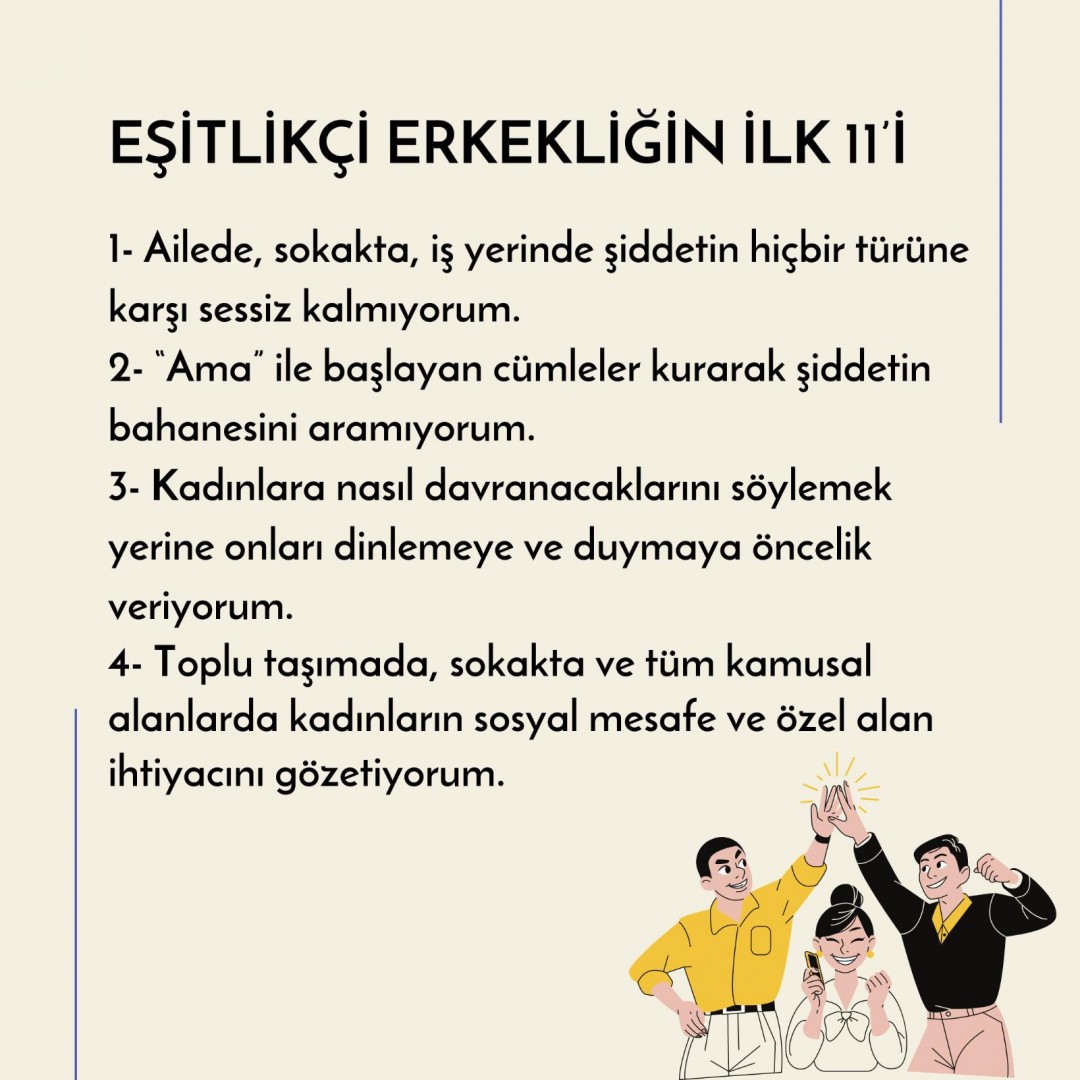
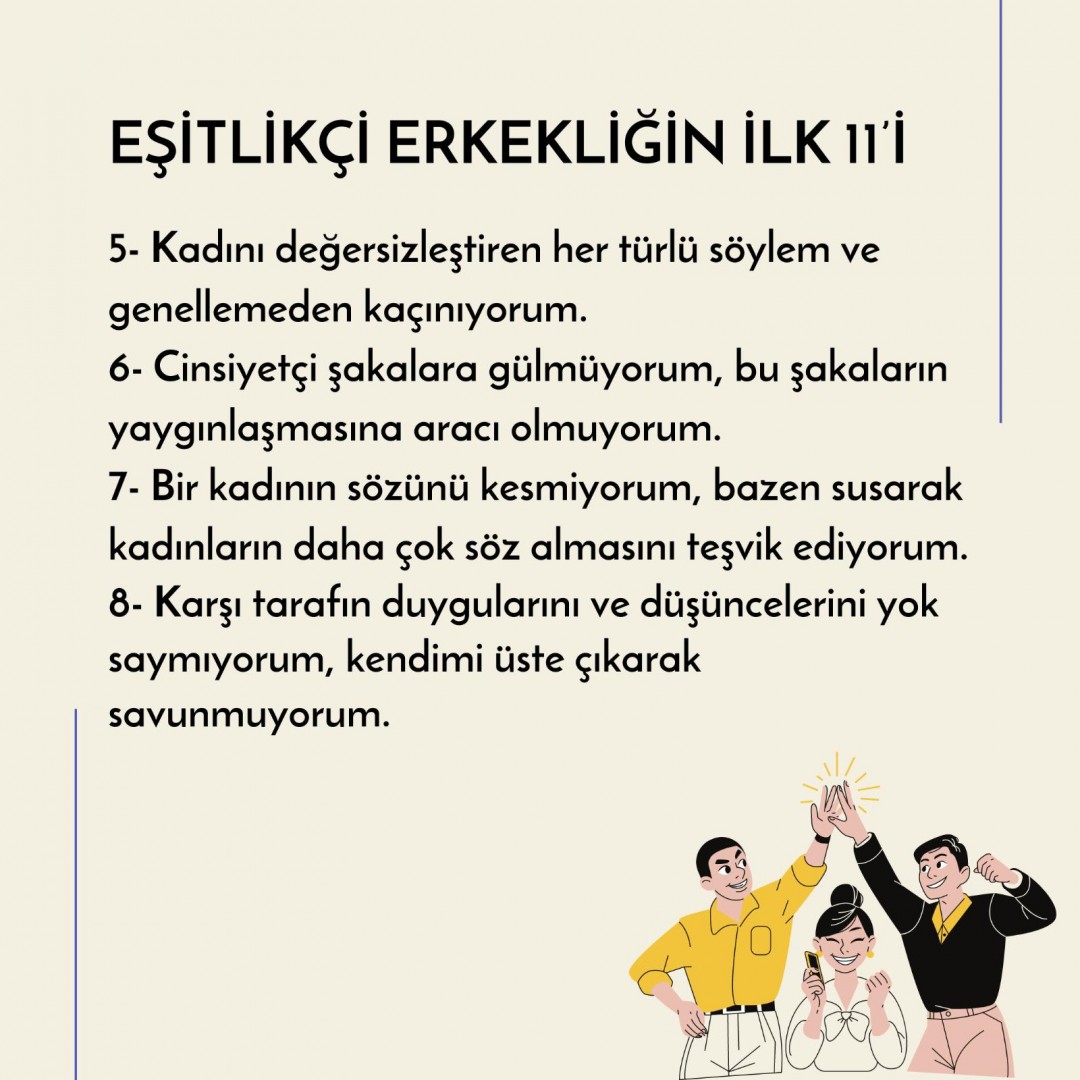
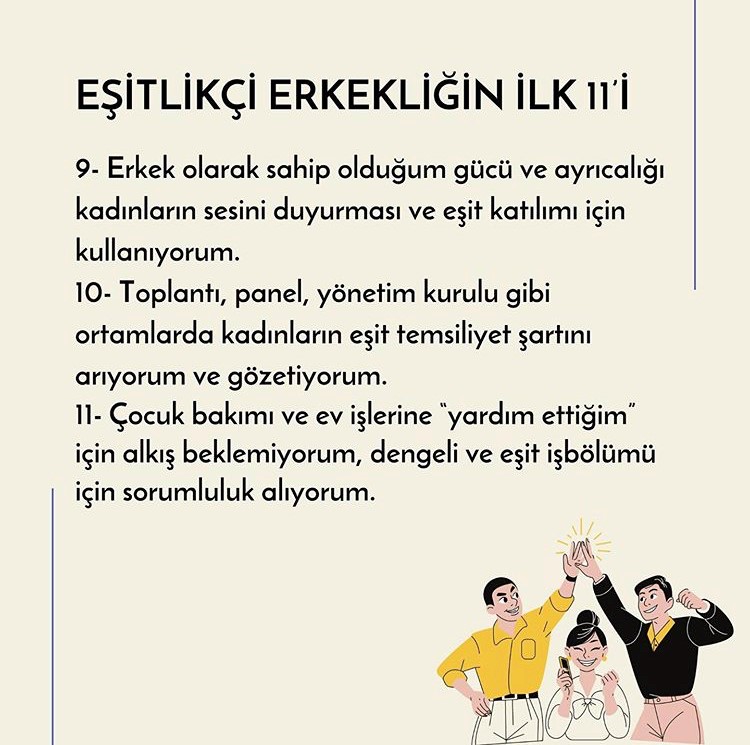
I agree with what’s written on this list. How many women in Turkey do you think are raising their sons according to these views? I’d like to draw attention to this issue.
Furthermore, many women face the greatest attack from their own gender, and that’s where they get their comeuppance. I know many women in their professional lives who say, “I wouldn’t want my boss to be a woman.” Here’s another example. Güpse Özay, Turkey’s beloved actress in comedy series and films, was subjected to numerous attacks, accusing her of being ‘ugly’ after marrying the newly popular actor Barış Arduç in Çeşme. I’m sharing the relevant news: https://www.hurriyet.com.tr/galeri-en-mutlu-gununde-gupse-ozaya-yapilan-cirkinlik-41577034/1
The vast majority of those committing these attacks are women. In other words, women can be very cruel to their own gender. Don’t you think violence will be constantly fueled in such an environment? In short, we still have a long way to go to minimize all forms of violence, especially violence against women. We can start the change with ourselves and our immediate circle. #challengeaccepted
Note: As I do every year, I’m taking a break from my writing this year in August. I’ll be back with new articles in September, full of content. Stay well.
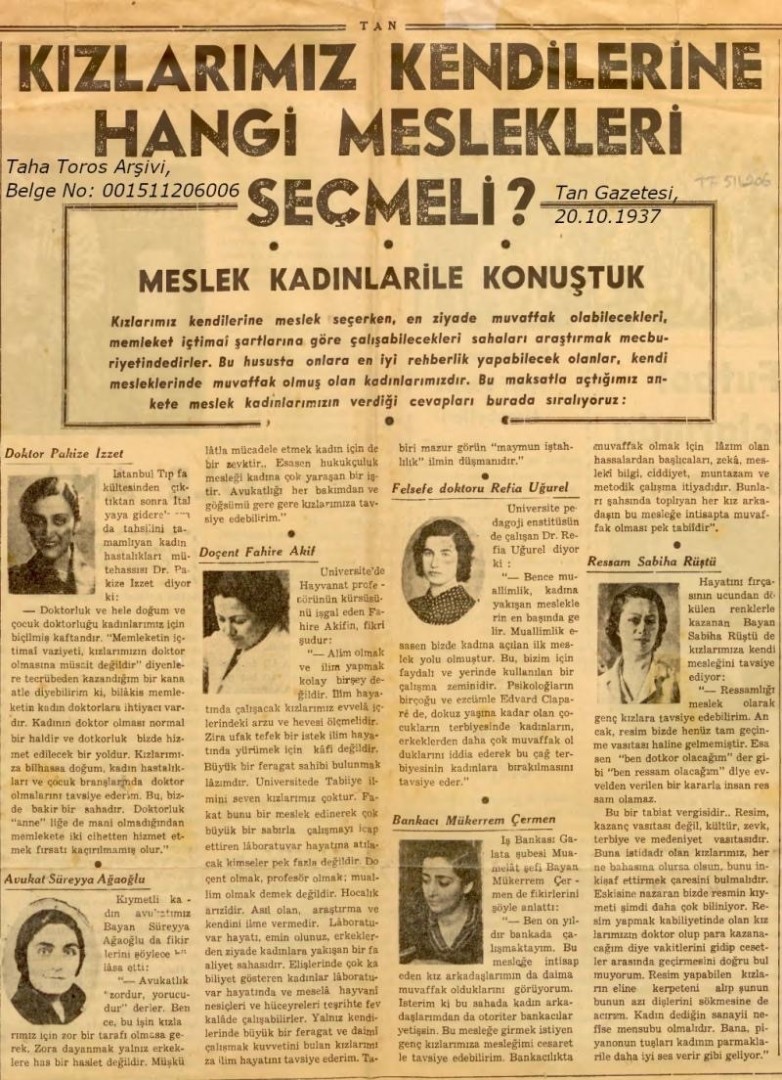
Bonus: Because I believe I need to shed light on such a somber topic, I’d like to share some news about some incredible women in Turkey who have broken new ground in their respective professions and who can be role models for all women. I’d like to thank Dr. Emir Öngüner for this information.
An interview with successful women conducted in 1937 to help young girls decide which career to choose: “The best people who can provide guidance in this matter are our women who have succeeded in their professions.”
– Dr. Pakize İzzet, the first Turkish female gynecologist. “The country needs female doctors. Since being a doctor doesn’t interfere with motherhood, the opportunity to serve the country in two ways is not missed.”
– Süreyya Ağaoğlu, the first Turkish female lawyer. “They say being a lawyer is difficult and tiring. Enduring hardship isn’t a trait unique to men.” – Assoc. Prof. Dr. Fahire Akif of Istanbul University’s Zoology Institute: “I only recommend a scientific life to those girls who find within themselves the strength for great self-sacrifice and constant study.”
– Doctor of Philosophy Dr. Refia Uğurel of Istanbul University’s Pedagogical Institute: “I think teaching is one of the most suitable professions for women.”
– İş Bankası Galata Branch Transaction Manager Mükerrem Çermen: “I wish my female colleagues would also become authoritative bankers in this field.”
– First Turkish female illustrator and painter Sabiha Rüştü: “A woman should belong to the finest industry. It seems to me that piano keys sound better with a woman’s fingers.”
Source:
Tan Newspaper, 20.10.1937, Taha Toros Arşivi, Belge No: 001511206006