The first games of the World Cup, which started last week, have been played. After these games, I’ll share my predictions, as is my custom. But first, I need to point out this: Except for a few teams that performed poorly in the tournament, all the teams are of similar skill level. Therefore, there’s no “Brazil vs. the rest” or “Germany vs. the rest” situation as before. Every team can play head-to-head with any other team. I believe this is because hundreds of professional soccer players from various countries in European soccer continue to play at a similar level for their national teams. Their teammates, who don’t play in Europe, are also adapting to their level.
Another reason is that teams like Brazil and Mexico, which primarily focus on attack, have adopted a format like the European “collective attack, collective defense” approach. In other words, Latin American teams, particularly known for their individual technical skill, have now shifted to a more team-oriented approach, particularly one where everyone plays defense. I believe Germany’s 7-1 home victory over Brazil played a significant role in this. Brazil, feeling humiliated and unable to overcome this trauma as a nation for a long time, is playing a different game in this tournament. New manager Tite’s positive and open-minded style has a significant impact here. Don’t let the draw against Switzerland in the first leg fool you. I believe Brazil, along with Argentina, are among the biggest favorites in this tournament.
The close level of performance among all the teams and the lack of a clear favorite in every game adds to the viewing experience. We’ve already seen signs from the very first games that the World Cup in Russia will be an exciting tournament. Let’s hope for the best…
My favorites and the ones I didn’t give a chance to
The teams most likely to win this tournament are Belgium, Spain, and Portugal, whose performances, despite disappointing early games, have proven their worth from the very first game, in addition to Brazil and Argentina.
Conversely, the teams that have always been considered favorites but will likely disappoint in this tournament are Germany, France, and England. Among these teams, Germany lost to Mexico in the first game and showed signs of disappointment in this tournament, despite entering the tournament with the title of champion. Besides Germany, France and England also defeated Australia and Tunisia, respectively. Despite this, I believe they have no chance of success in this tournament with their current performance.
The surprise favorites of the tournament, in other words, the teams that I believe have the potential to reach at least the quarterfinals and even reach the final, are Iceland, Switzerland, Russia, Mexico, Croatia, and Uruguay.
The teams that will add color to the tournament are all the Latin American teams with their enthusiastic fans (Argentina, Mexico, Brazil, Costa Rica, Colombia, Panama), all the African teams (Egypt, Tunisia, Senegal, Nigeria), Australia, and Iceland.
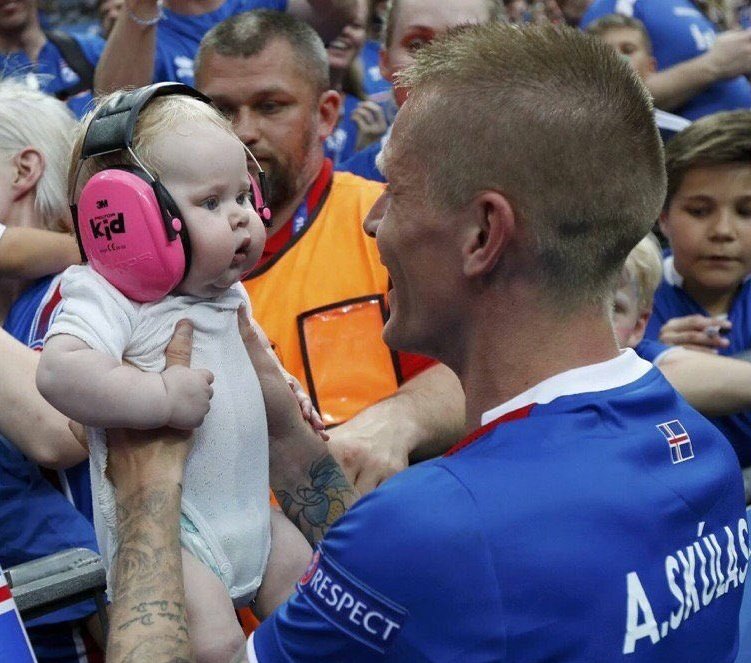
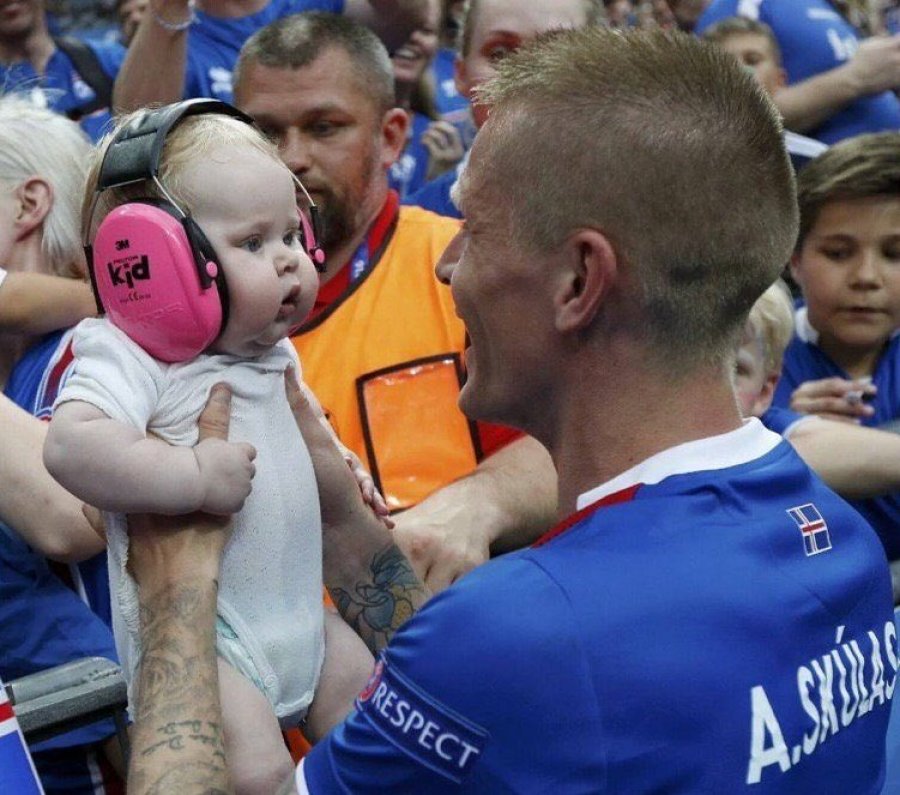
The little Icelandic fan, known as “Yanakson,” who was one of the symbols of the last tournament
Turks representing Costa Rica in the best way possible!
As for my favorite team, since Türkiye couldn’t participate in this tournament, let me tell you which teams I support.
First and foremost, Costa Rica, of which I am an honorary consul, is my favorite team. At the last World Cup, they had an incredible run, topping a strong group containing England, Italy, and Uruguay, and advancing to the quarterfinals. They were eliminated by the Netherlands on penalties in the quarterfinals.
I even watched this quarterfinal game at the Dutch Consulate General at the time. As Costa Rica’s official representative in Türkiye at the time, they treated me and three of my companions as Costa Ricans. In fact, before the game, the Dutch asked me to speak to the crowd at the Consulate General about the game and Costa Rica. It was a very interesting experience for me. After speaking in English like a Costa Rican, the Dutch, assuming I was from this country (I can truly be one of them), began chatting to me in Spanish. I remained calm and spoke to them, joking around, and wishing them success, just like a Costa Rican. I gave each of my friends who were with me at that game, whom everyone thought was Costa Rican, a Costa Rican flag and encouraged them to join me in celebrating goals and goals for Costa Rica. Among hundreds of other players, we Turks represented Costa Rica in the best possible way. Jokes aside, the Dutch also treated us warmly and congratulated us after the game.
Infrastructure or saving the day?
I’d like to share another memory with you about the Costa Rican team that played in the 2014 Cup. First of all, during my time as honorary consul, I had a brilliant idea to promote the country: I would sign a promising, excellent player from Costa Rica to promote the country. To achieve this, I embarked on serious research. I didn’t hesitate to go and spoke with officials from the Costa Rican soccer federation, held meetings with well-known agents in the country, and, because my close friend Edgar owns Saprissa, one of Costa Rica’s most important clubs (my favorite team in Costa Rica), I also exchanged ideas with him.
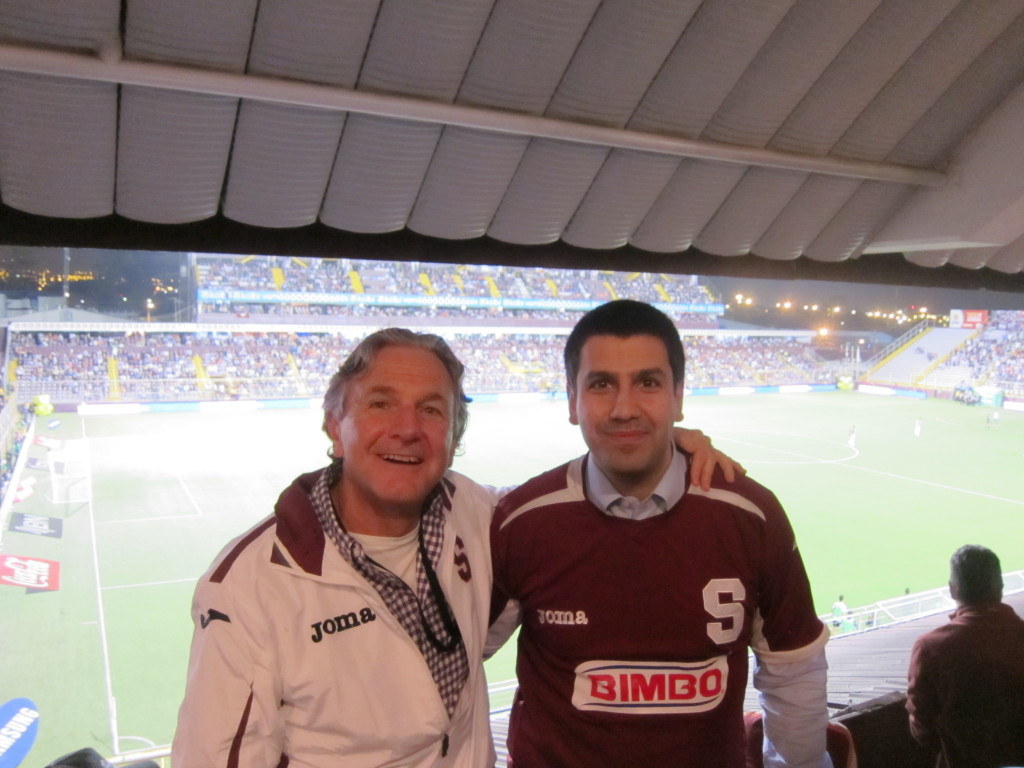
Watching a Deportivo Saprissa game with my friend Edgar in San Jose, Costa Rica
In addition to my own research, I personally spoke with the relevant authorities and professionals in this field. Ultimately, I compiled a list of 10 players. The key to this list was that all the players on it were under 25, and a significant majority were under 20 at the very beginning of their careers. I went and gave this list to a friend of mine who was the manager of my favorite team, Galatasaray, at the time. I tried to explain that these players could be brought to Türkiye for practically nothing and quickly rise above the level of European soccer. They could then either contribute significantly to the team or be sold to European teams for significant profits. My manager shared this list with Galatasaray’s manager at the time (I’m not naming names to avoid directly accusing anyone). The feedback I received was as follows: “Serhan, I reported this to our manager. He rejected it, saying, ‘This isn’t our style; we need players who are ready and have a name.’” I thanked him for his effort and shelved the list. Of the 10 players I gave to that Galatasaray manager, eight were players from the Costa Rican team that performed brilliantly at the last World Cup. I say this with sadness because I’m personally saddened by this approach from the manager of the team that has won the most trophies in Turkish soccer. This incident demonstrates the relative lack of preparedness and vision with which Turkish soccer is managed. You can find my blog post on this subject at http://www.serhansuzer.com/tr/dunya-kupasinda-kosta-rika.
Our cousins from across the ocean
Getting back to the topic, after putting this research aside, I realized there was a Costa Rican soccer player playing for Gençlerbirliği. I’ll save my disappointing story about Azoifeifa for another article. I’ll share it with you.
Unfortunately, I see little chance of Costa Rica repeating a success like the last tournament. Even advancing from the group stage, let alone reaching the quarterfinals, would be a major achievement for Costa Rica. But I see the likelihood of that being the case as very low.
Besides Costa Rica, I support Brazil, Argentina, and Colombia from Latin America. I see Latin Americans as our cousins across the ocean. Our Latino brothers, so similar to us in every way, embody all the characteristics of the warm-hearted Mediterranean people. Having traveled, experienced, and deeply loved all three of these countries, I wholeheartedly support Brazil, Argentina, and Colombia. The only team I support outside of Latin America is Spain. I can also count Spain among the countries I’ve visited and loved. The fact that I speak the languages of all these countries is a factor (Portuguese is spoken in Brazil. But interestingly, though I speak Spanish, and they speak Portuguese, we still got along quite well). Perhaps what attracts me most to them is the beautiful soccer they play. I’m proud of them all.
Friendly teams and friendly fans
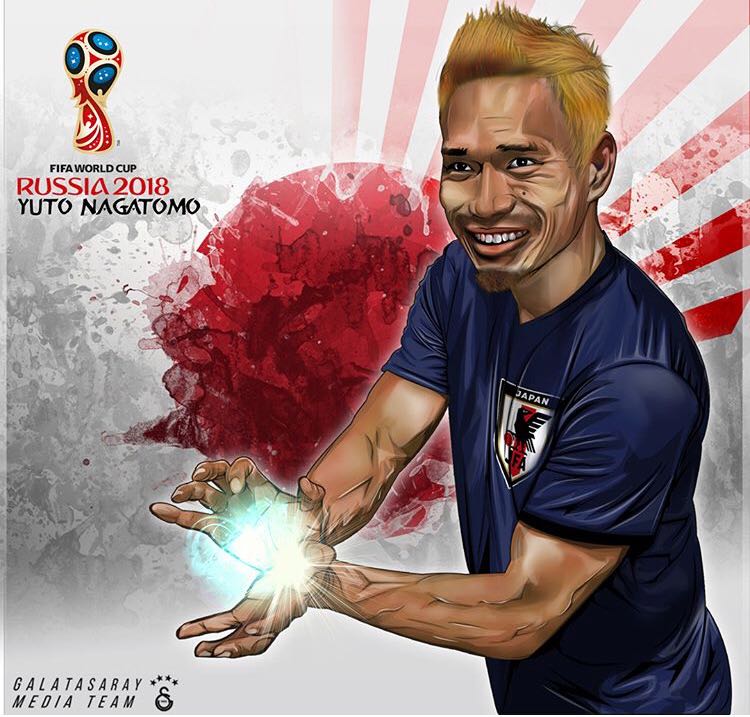
Beyond my favorite teams, the teams I sympathize with are Japan, for Galatasaray’s Nagatomo; Uruguay, for Galatasaray’s goalkeeper Muslera (both of whom had a very good season and contributed most to our team’s championship); Croatia, for having our family’s bank there; the Australians (I have many Australian friends) for their positive and uplifting character; and Iceland, for their ability to create a great story from a small island, a true success story that could compete with any team in the World Cup.
I’ve watched two World Cup games in my lifetime. One was the semi-final game between Italy and Spain in Boston, USA, in 1994. Italy won this game 2-1 and advanced to the Finals. You can find my blog post about it at http://www.serhansuzer.com/tr/statta-izledigim-ilk-dunya-kupasi-maci-ve-harvard-universitelerinde-gunlerim. I was intrigued by the way the spectators at this game were all mixed up and constantly joking with each other. The atmosphere was incredibly pleasant, devoid of violence. The second game I watched was in Cape Town, South Africa, where Germany beat Argentina 4-0 and advanced to the Quarterfinals. I also wrote about this game: http://www.serhansuzer.com/tr/cape-townla-aramdaki-maks-baglanti-sorunu. The atmosphere was similar in this game. Both sides were enthusiastic, but the Argentinians’ enthusiasm was legendary.
I hope for a similar atmosphere at this World Cup. May friendship, brotherhood, and beautiful soccer be the victors. Enjoy the show…
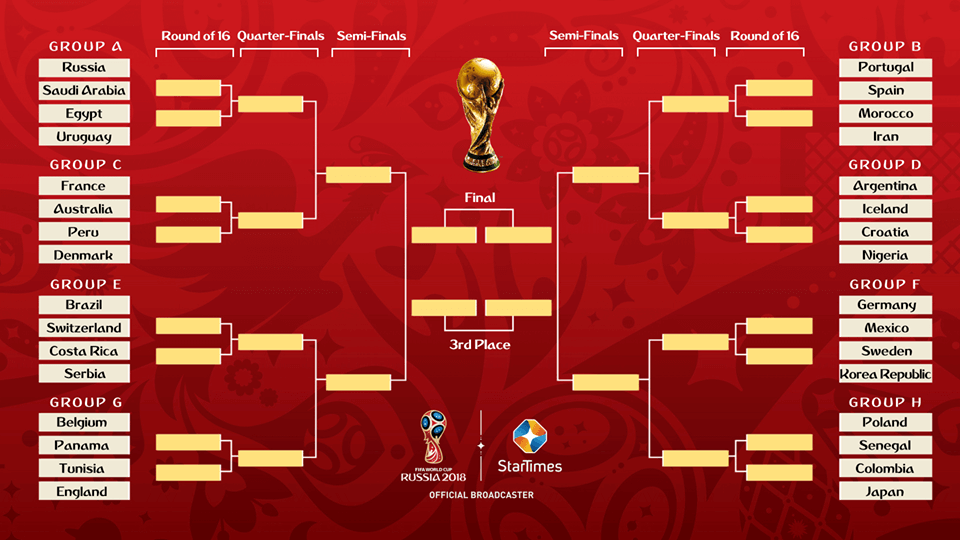
Here are the groups and pairings in the World Cup
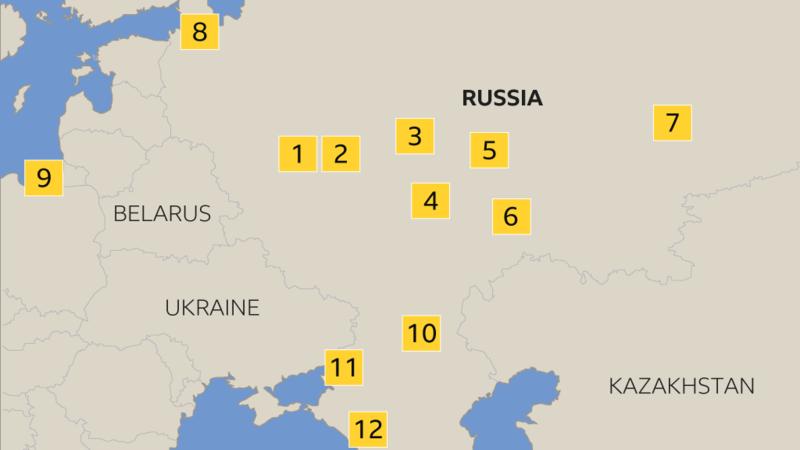
One of the unique features of this World Cup is that it’s being held in Russia, the world’s largest country by surface area. You can see the locations of Russia’s stadiums spread across its vast geography on this map. 1. Luzhniki Stadium 2. Spartak Stadium 3. Nizhny Novgorod Stadium 4. Mordovia Arena 5. Kazan Arena 6. Samara Arena 7. Ekaterinburg Stadium 8. St. Petersburg Stadium 9. Kaliningrad Stadium 10. Volgograd Arena 11. Rostov Arena 12. Fisht Stadium
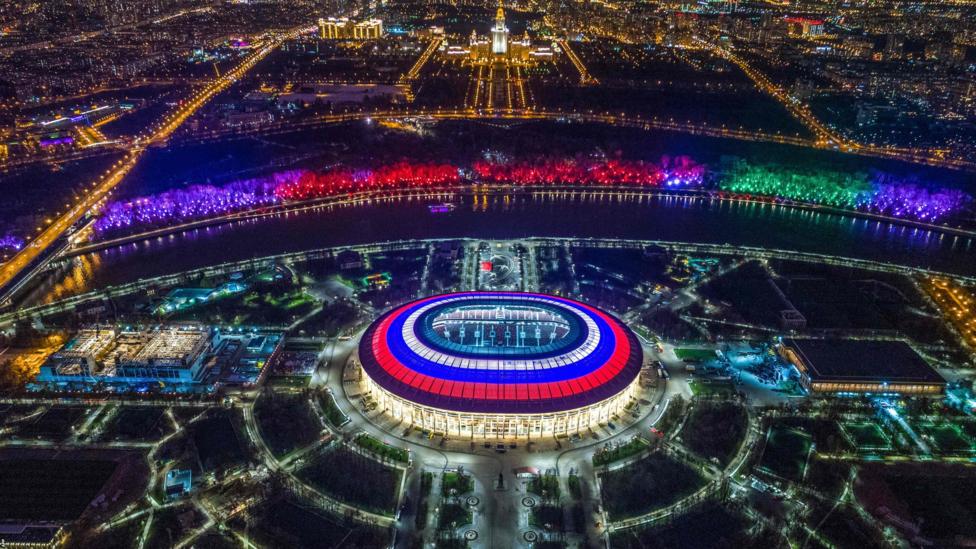
Night view of Luzhniki Stadium
Tag: sports