
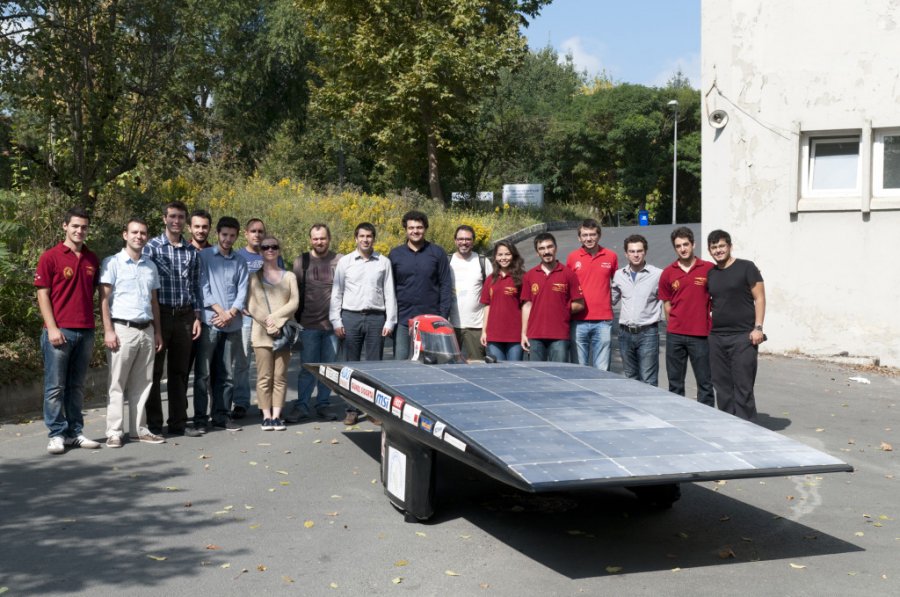
First of all, I’ve long been a proponent of the near future of electric vehicles. In fact, I’ve even put my words into practice in various ways. For example, in 2013, we supported the ITU Solar Car Team (GAE) and even launched a communication campaign to promote electric vehicles. During this campaign, an ITU vehicle was used from Istanbul to Ankara. My friend Burcu Çetinkaya, one of Türkiye’s most prominent female pilots, drove the vehicle until we crossed the bridge. Afterward, EkoRE selected our first interns from the ITU GAE. You can find the related news below:
I even wrote an article about my visits to ITU GAE six years ago: https://www.serhansuzer.com/tr/solar-elektrikli-araclar-ve-ituye-keyifli-bir-hafta-sonu-ziyareti
There’s a lot to say about the vehicles of the future. To simplify matters, I can list five trends in the near future:
1- Transformation of fossil fuel vehicles into solar-electric vehicles
After fossil fuel vehicles, hybrids, then 100% electric, and finally solar-electric vehicles will become popular. Currently, the public is being persuaded to use hybrid vehicles. If infrastructure investments like charging stations are completed, the transition to 100% electric vehicles could be rapid. I’m among the first to drive a 100% electric vehicle in Türkiye.
I still drive the Renault Fluence I bought in 2013. It’s a primitive example of an electric vehicle, so it has a limited range, but I still use it in Istanbul and rave about it everywhere. Thanks to me, at least 10 other people have purchased an electric vehicle. To give you an idea, I’d like to share the video we made about my electric vehicle:
https://www.youtube.com/watch?v=HIWVGhdb1Zc
In the future, even converting existing fossil fuel vehicles to solar-electric vehicles will become a significant industry. Get ready for the change. Let me tell you.
2- All vehicles will be “solar” electric.
Not just cars, but all types of vehicles, including ships and airplanes, will be solar-electric. I can count trains first among electric vehicles. But after trains, cars, ships, and eventually airplanes will be powered by electricity. In fact, they won’t just be electric; they’ll be solar-electric. In other words, in addition to the battery units where they store electricity, solar cells will be placed on the surfaces exposed to the sun, and even their windows will be made of transparent solar panels in the future. This means they will charge themselves while driving thanks to the sun.
I’d like to make a special note about airplanes. Experts know that aviation fuel accounts for the highest carbon emissions in measurements. Considering that hundreds of thousands of flights take place daily across the globe, you can understand how crucial the conversion of aircraft to solar power is in combating climate change. This transformation will be achieved primarily through the engineers who develop the technology, the innovative individuals who support them and present their vision, and then the executives of the aircraft companies who decide on the change. I can personally say that I will do everything in my power to ensure this transformation happens as soon as possible.
3- Solar-Electric Vehicles Renewable Energy
The source of electricity will also be required to be renewable energy. Because if you get your electric vehicle’s electricity from a coal-fired power plant, you’ll be burning coal in your car. Therefore, renewable energy sources such as solar energy, wind, geothermal, bioenergy, wave, and current must be the sources of solar-electric vehicles. Of course, primarily on-site production and on-site consumption, as I mentioned earlier, vehicles will be able to generate their own energy thanks to the solar cells onboard.
4- Different Charging Models
Using solar cells on vehicles is, of course, the primary model. However, considering the efficiency of current solar cells, the limited space on the vehicle can only power the air conditioning system. In the future, even transparent solar panels on car windows could partially meet the vehicle’s energy needs. Of course, as cell efficiencies increase in the future, the solar cells on the vehicle will be sufficient to meet all its energy needs. However, until then, models such as the one below will prevail.
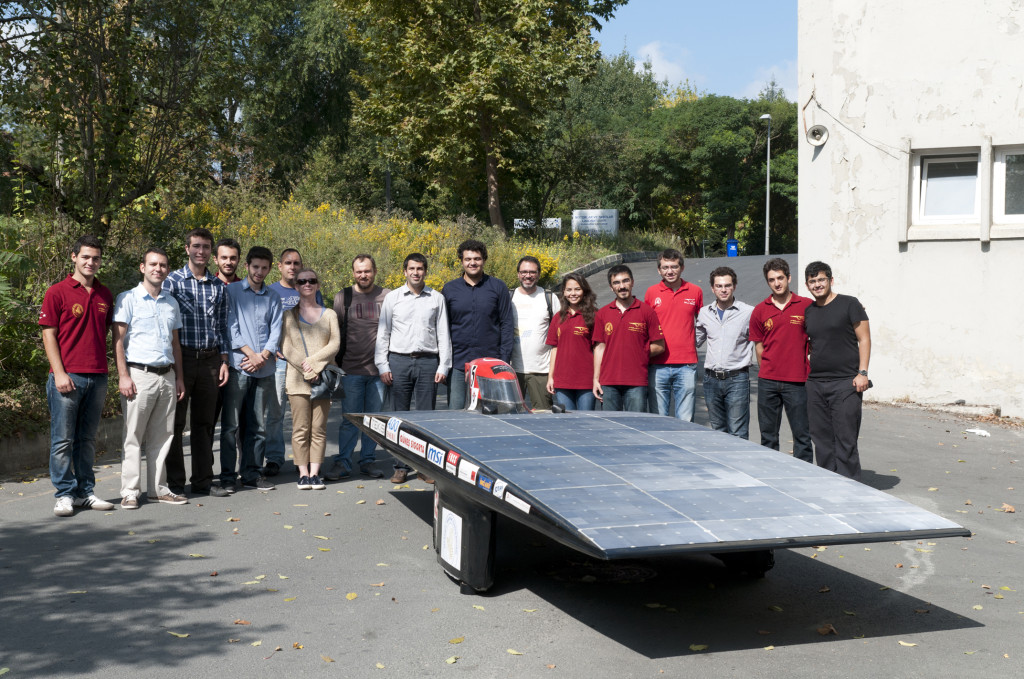
Developed by ITU GAE in 2013, this vehicle utilizes its surface as much as possible. Furthermore, aside from its single-person pilot seat (the pilots are specifically chosen from among small students to minimize weight) and electric motor, the vehicle carries no other load. As cell efficiency increases in the future, the load-carrying capacity and transport duration of vehicles will significantly increase. Companies like us have a significant role to play in this.
Charging stations will become a crucial part of our lives in the future. You can actually charge your electric vehicle by plugging it into a regular outlet. However, this process is at least two to three times slower than charging at a station. Of course, plugging in the evening and picking up your vehicle in the morning is another option. However, having a charging station along the way is crucial. For example, with current technology, on the way from Istanbul to Ankara, you can stop in Bolu, plug your vehicle into a charging station for 45 minutes, and charge it from almost empty to fully charged. You can enjoy a delicious meal in 45 minutes and then continue on your way without wasting any time.
Another charging method will be via the lane you’re traveling. So, some lanes on highways will be designated as charging lanes, and when you want to charge your vehicle, you’ll simply drive in that lane. This will be made possible with today’s wireless charging technology, allowing for uninterrupted power.
Speaking of charging, it’s impossible not to mention energy storage units. The efficiency of conventional lead-acid, lithium-ion, and other batteries, whose technology is constantly evolving, will continue to increase daily, and they will eventually reach a saturation point. I predict that different materials will be used beyond these. Frankly, in the future, those who develop groundbreaking technology in energy storage will be serving humanity as if they invented the internet, and in return, they would become among the richest people in the world.
5- Autonomous Vehicles
I use the word ‘autonomous’ here to refer to the vehicle being controlled by a computer and capable of driving itself. Car manufacturers and Uber have already addressed this issue. Manufacturers have begun producing semi-autonomous vehicles, starting with the ‘parking’ feature. Don’t be surprised if you see fully autonomous vehicles soon. In fact, a friend from Las Vegas has already confirmed that Uber is testing fully autonomous vehicles in Las Vegas and that they’re currently keeping drivers on board, just in case. It’s possible these trends will materialize sooner than you might expect. Frankly, fully autonomous vehicles initially make me nervous, even though I know we’ll get used to them. Still, I’m glad we’ll be rid of so many psychopaths on the road, and I fully support this trend.
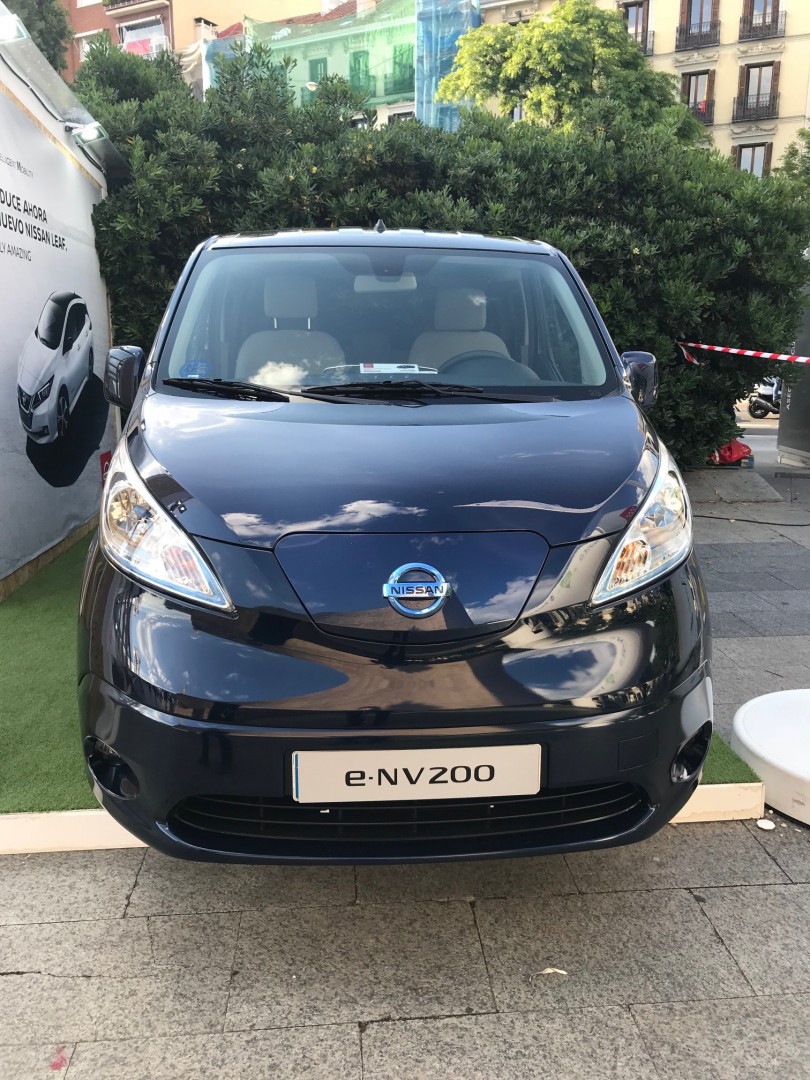
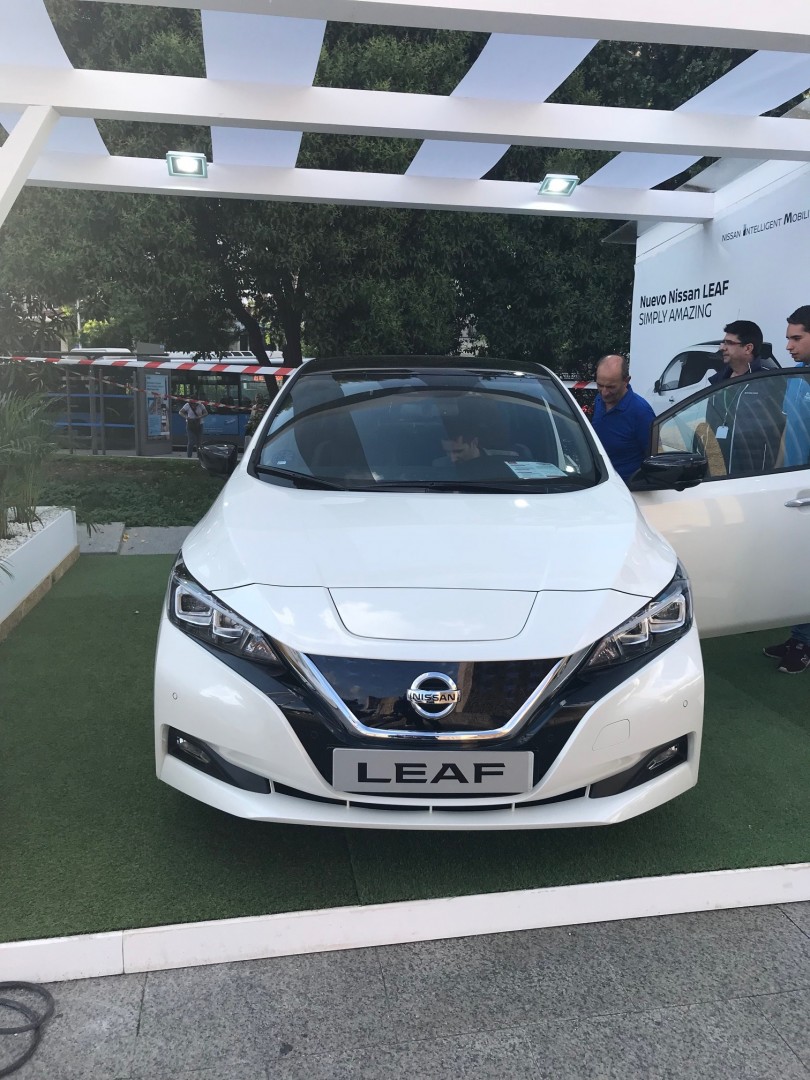
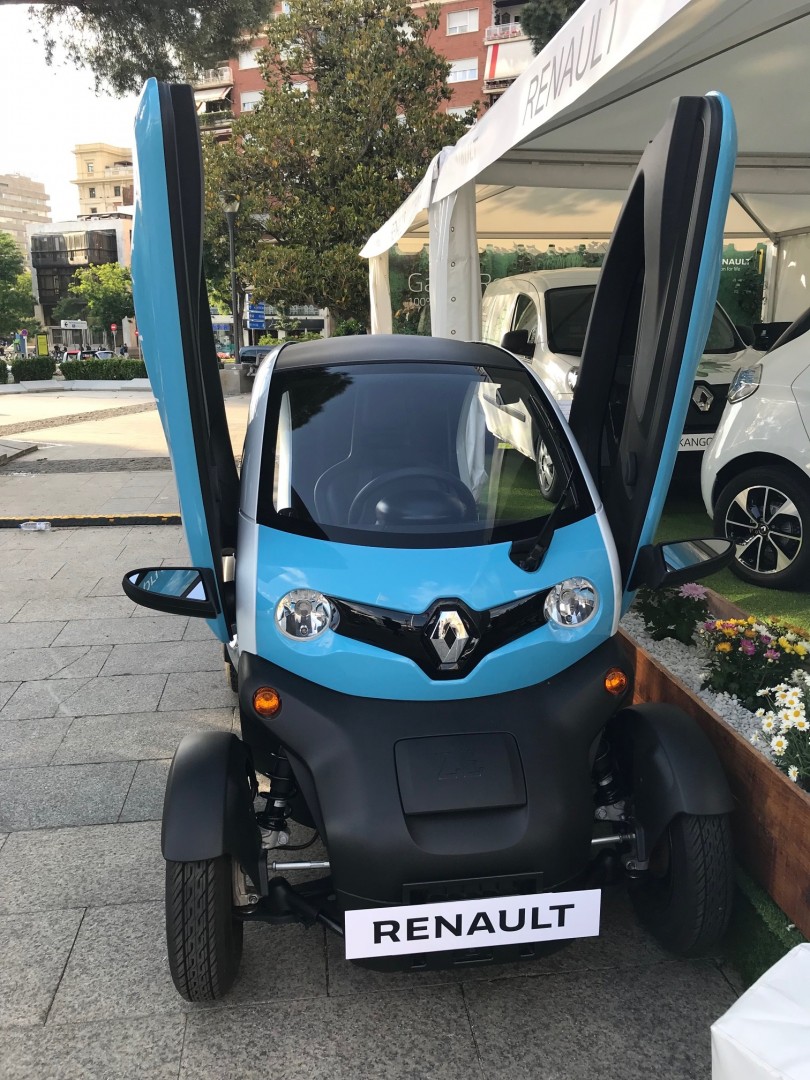
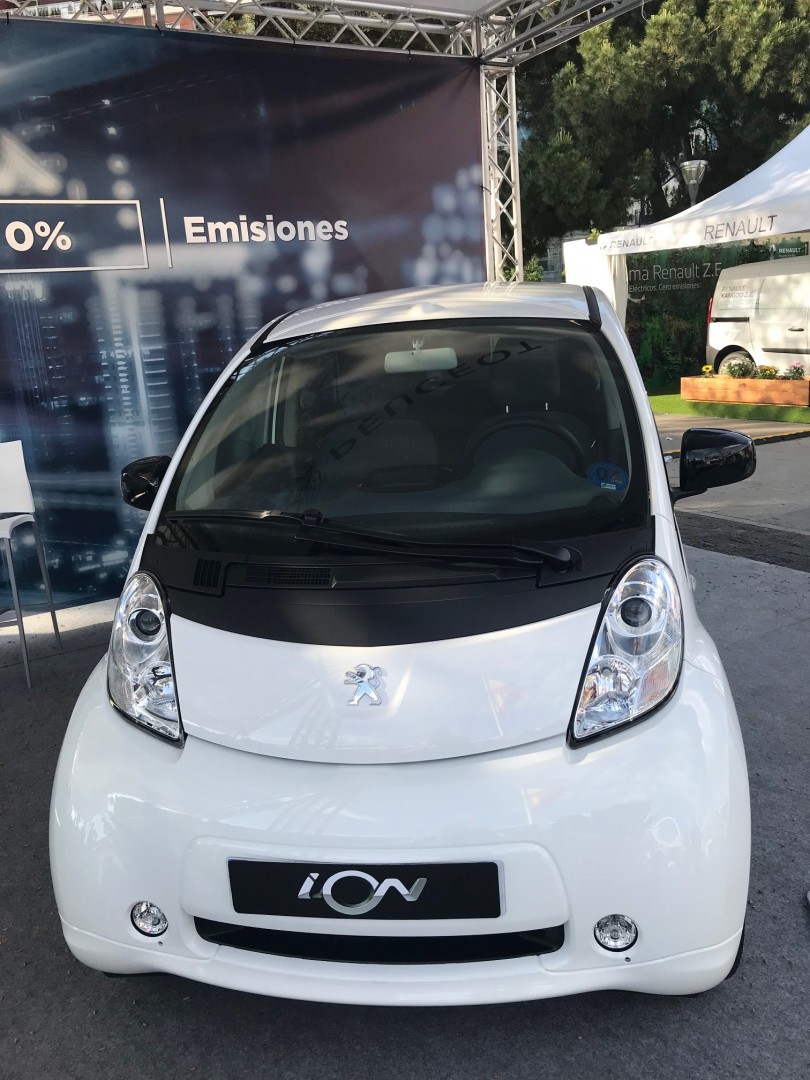
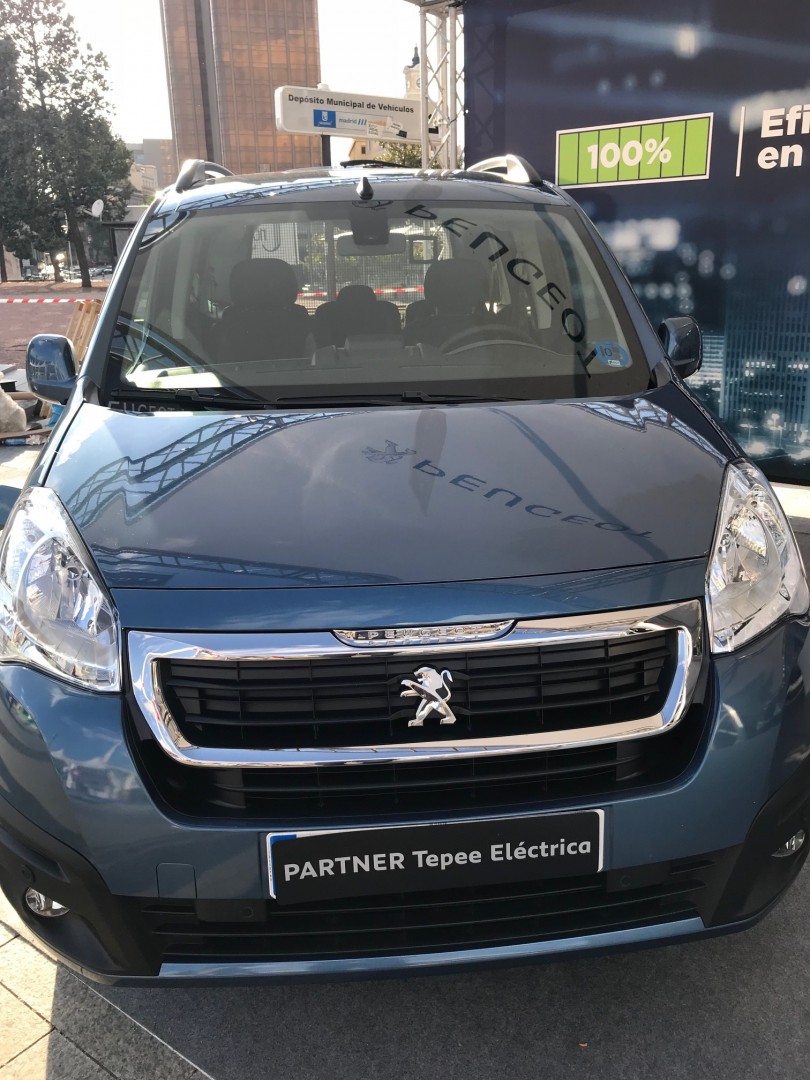
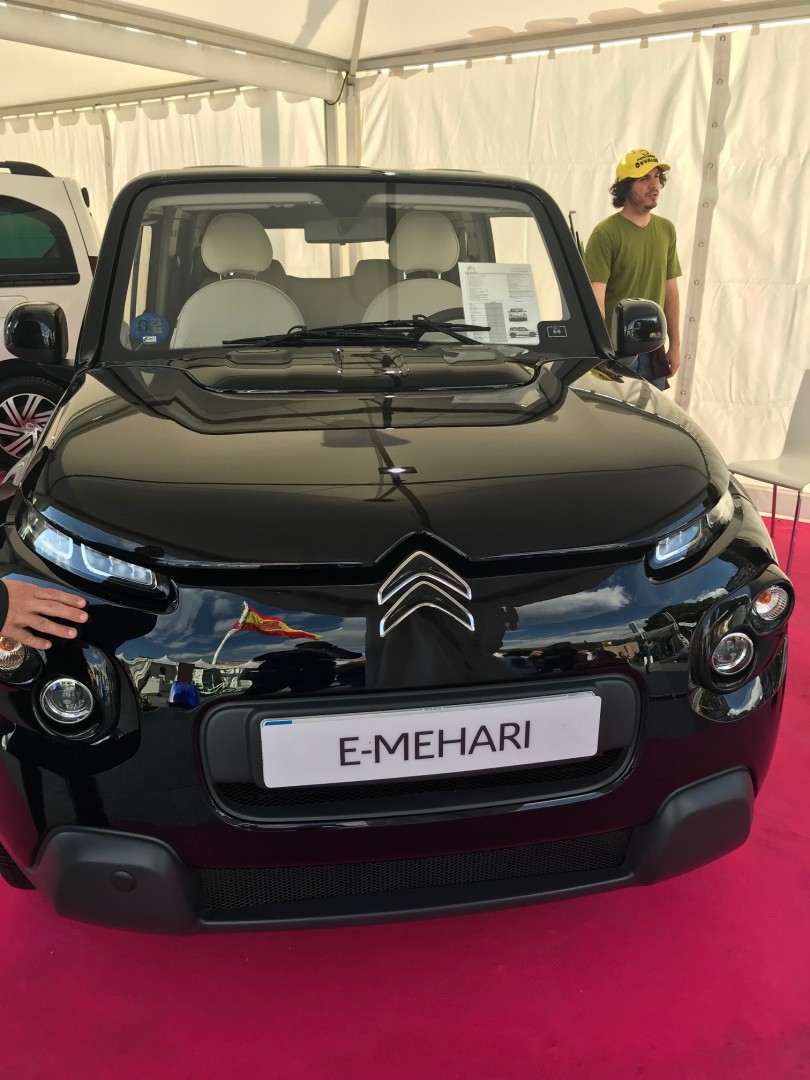
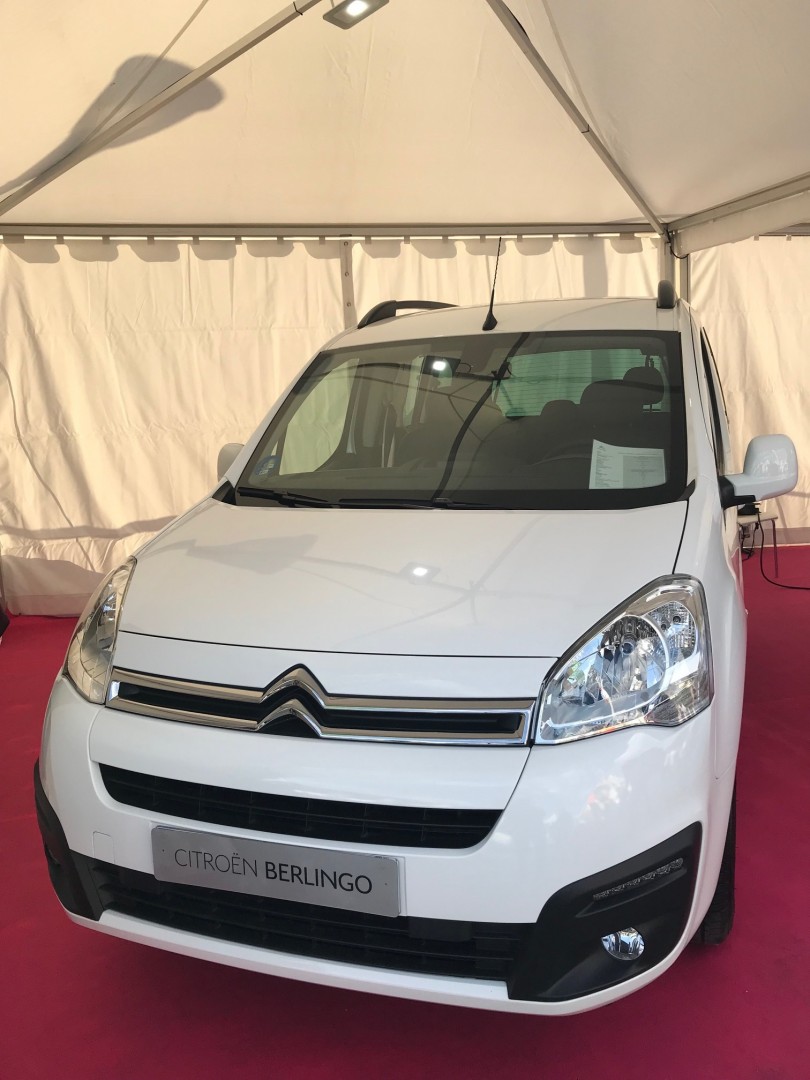
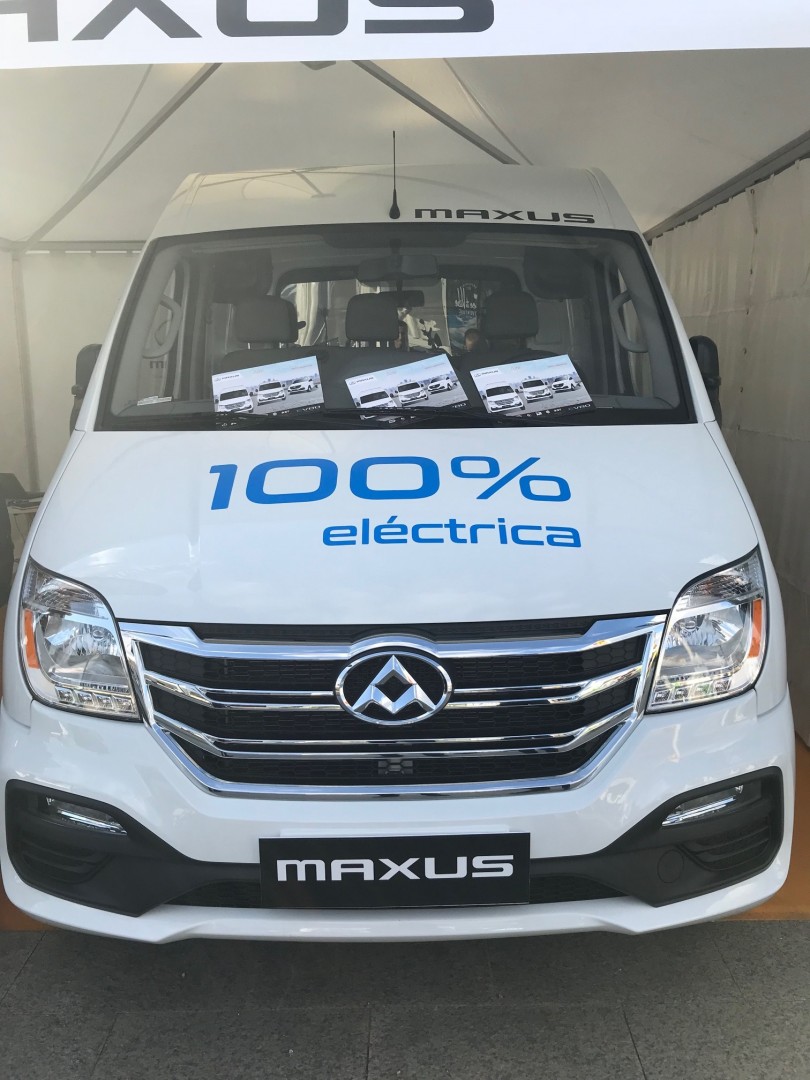
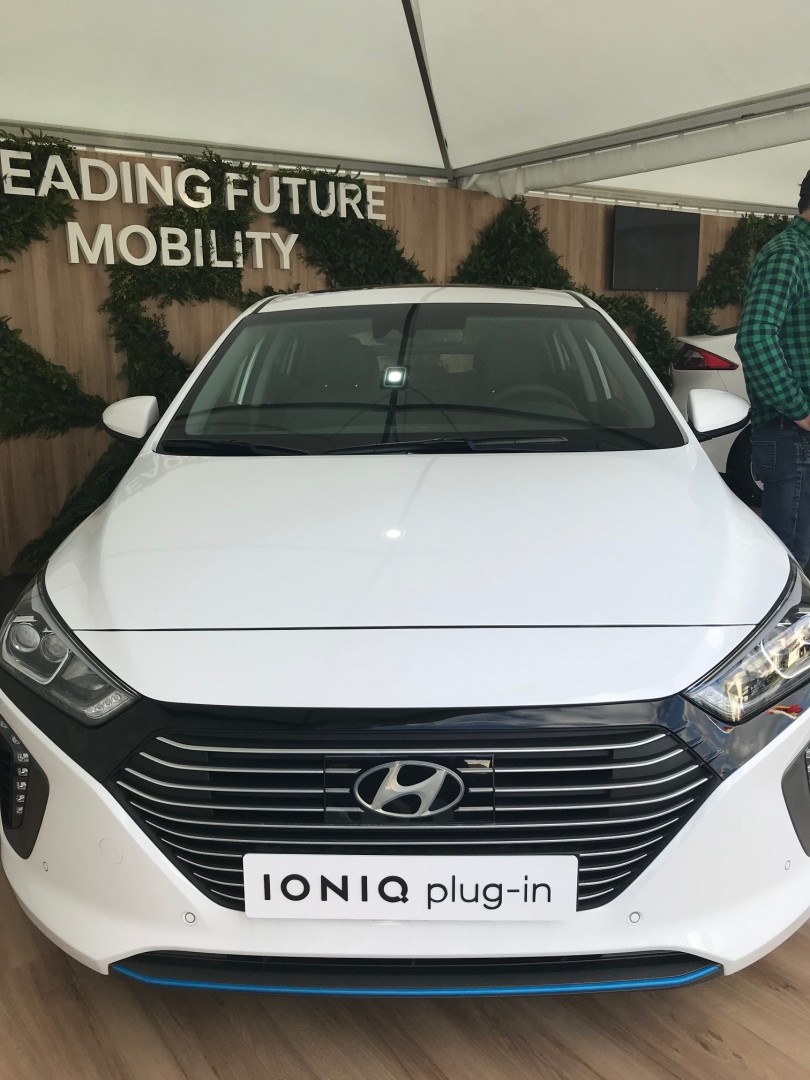
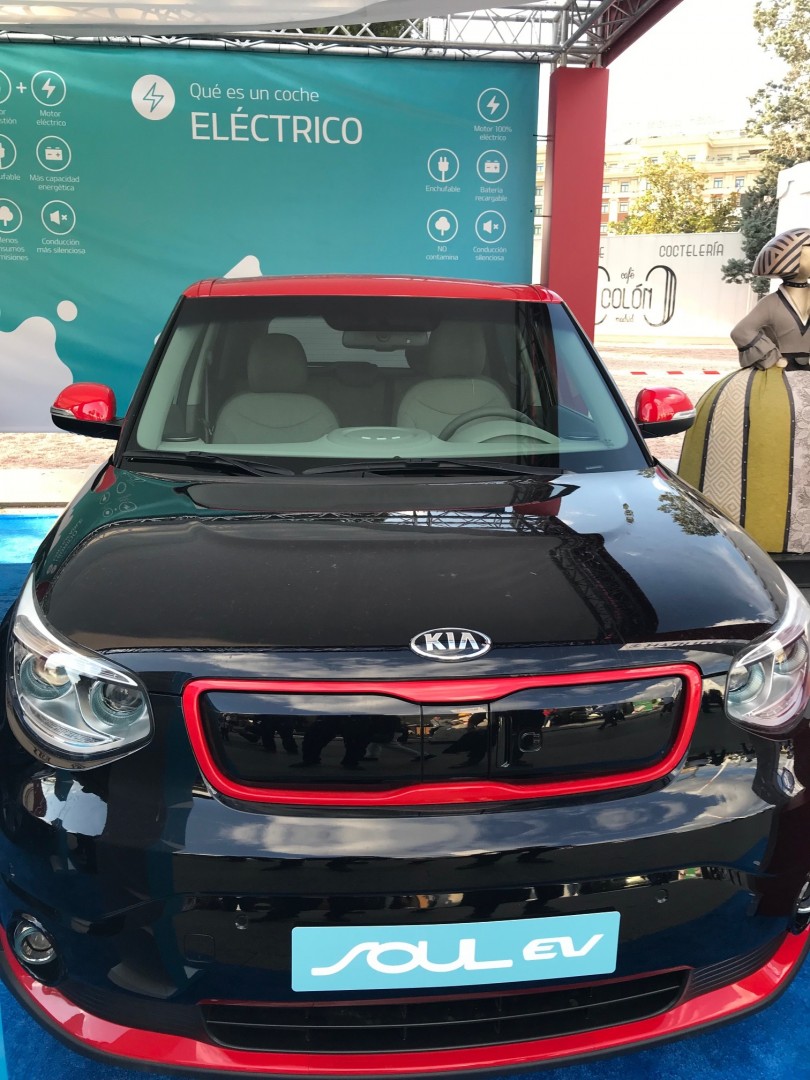
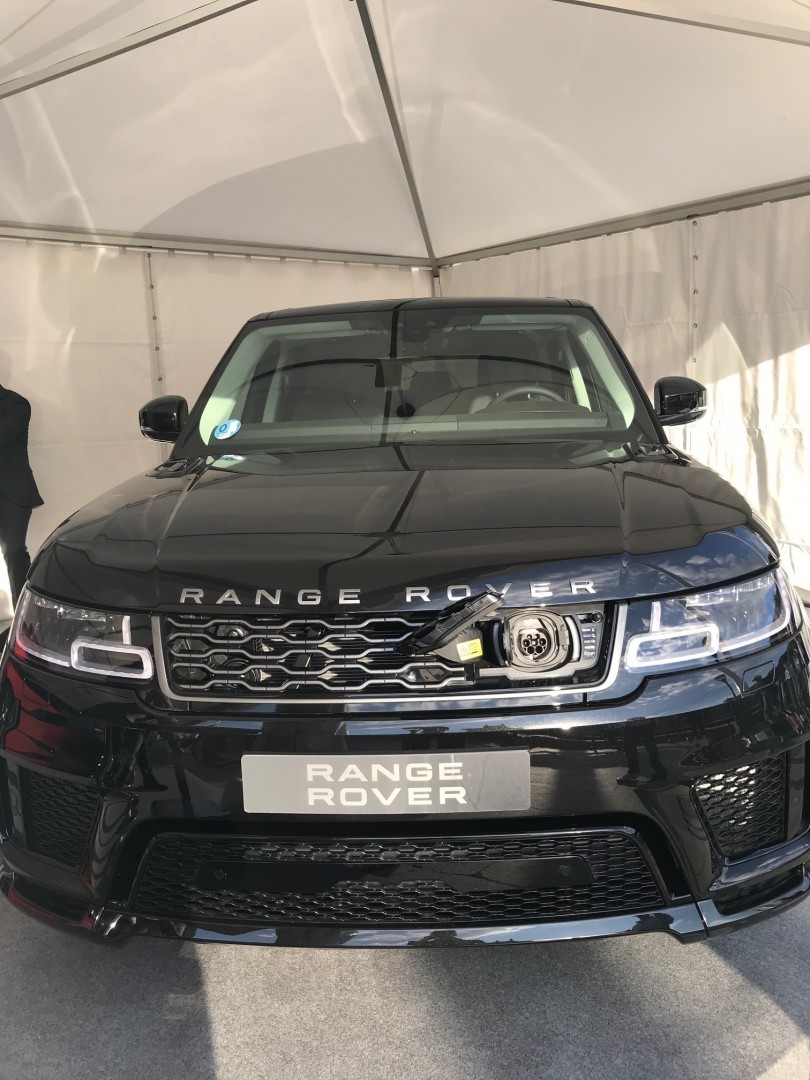
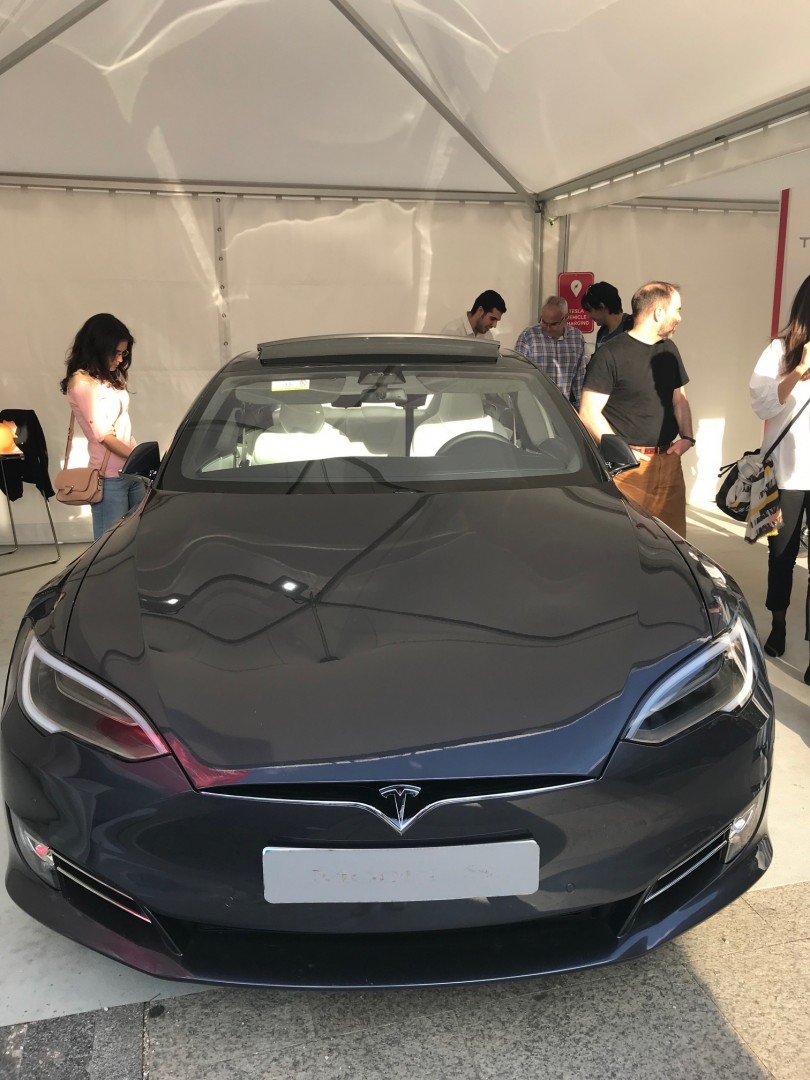
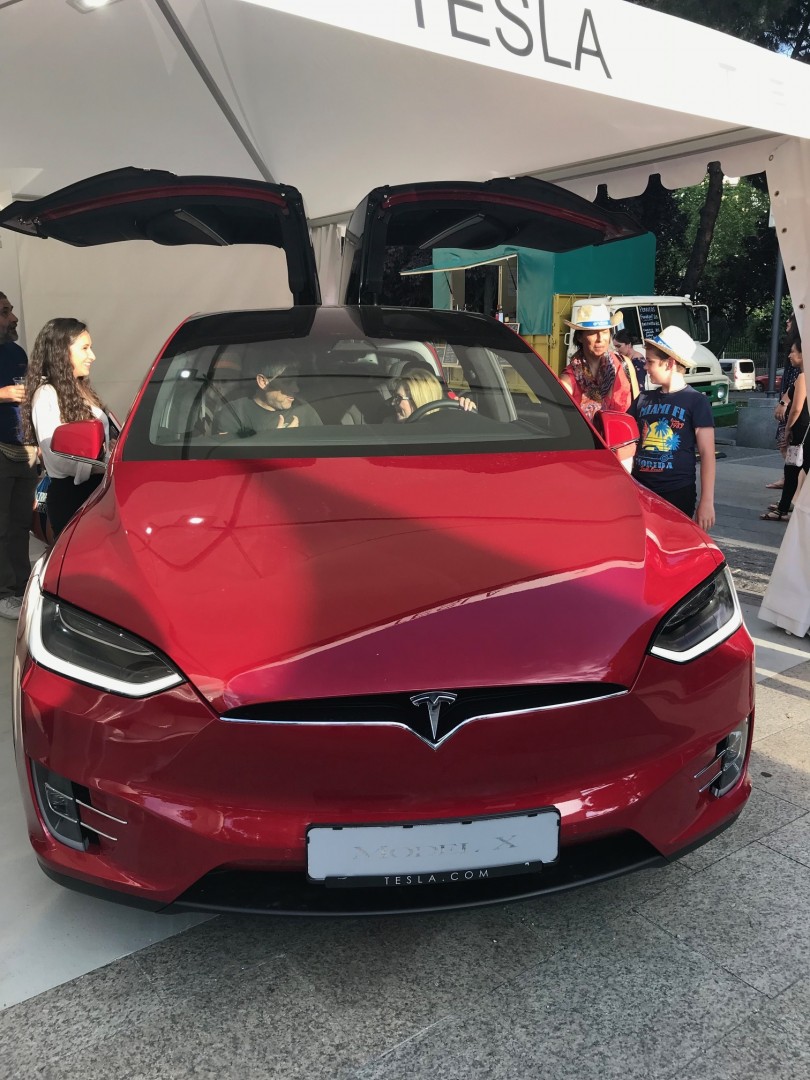
I’ll continue to share developments in electric vehicles with you on my blog. In this section, I’d like to share some photos from the electric vehicle fair I stumbled upon in a parking lot in Madrid. Electric vehicles have made significant progress in the current period, and they will continue to do so. Perhaps we’ll look back at these photos and wonder how far we’ve come. But one thing is certain: even in the past five years, significant progress has been made. I know this from my own vehicle, and technological advancements in the sector will continue. Here are the latest electric vehicles from various brands:
BMW
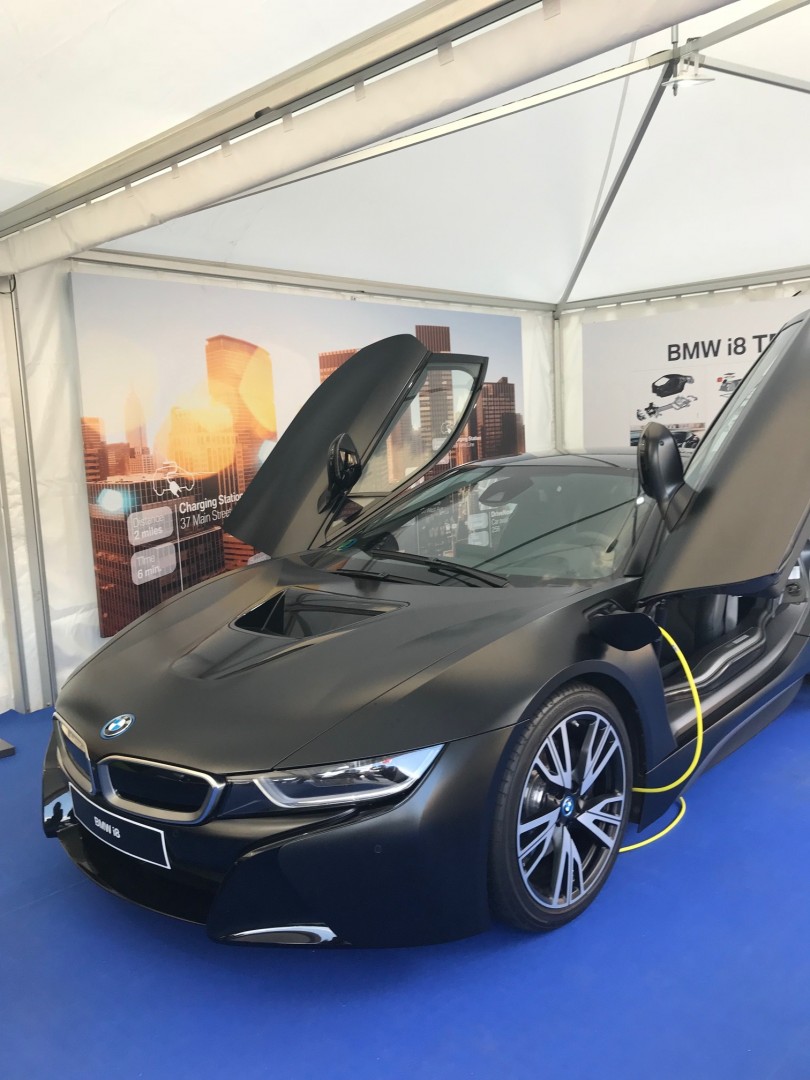
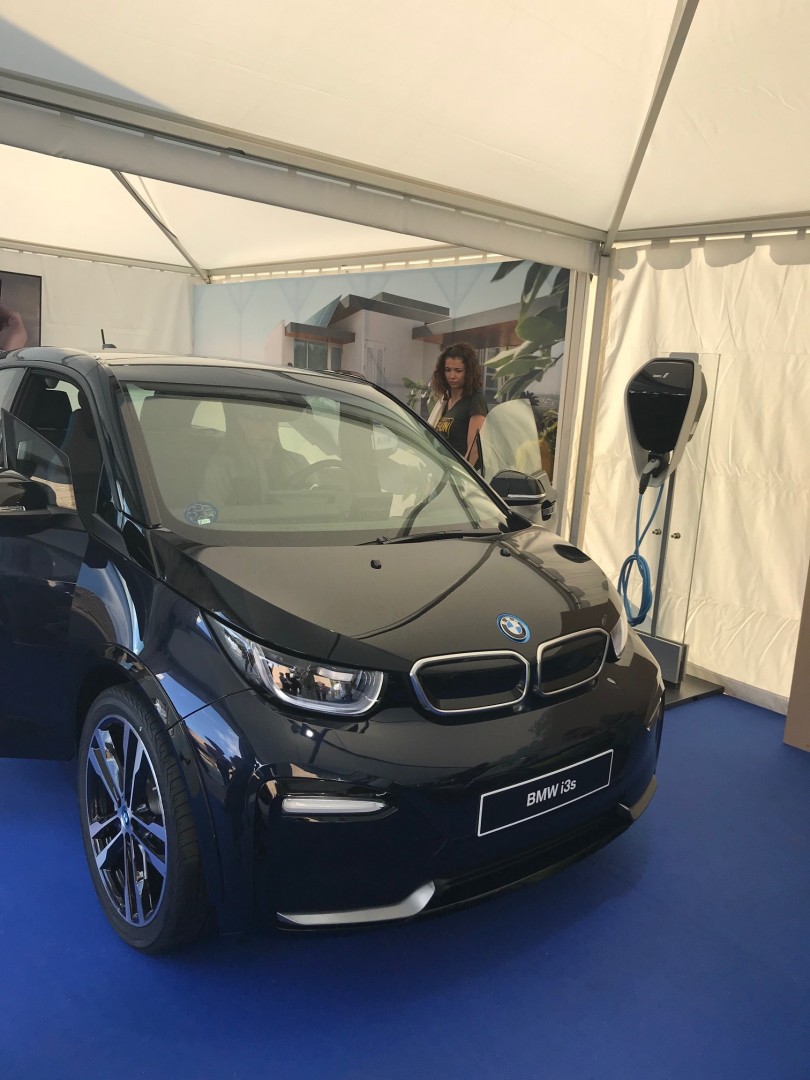
RENAULT
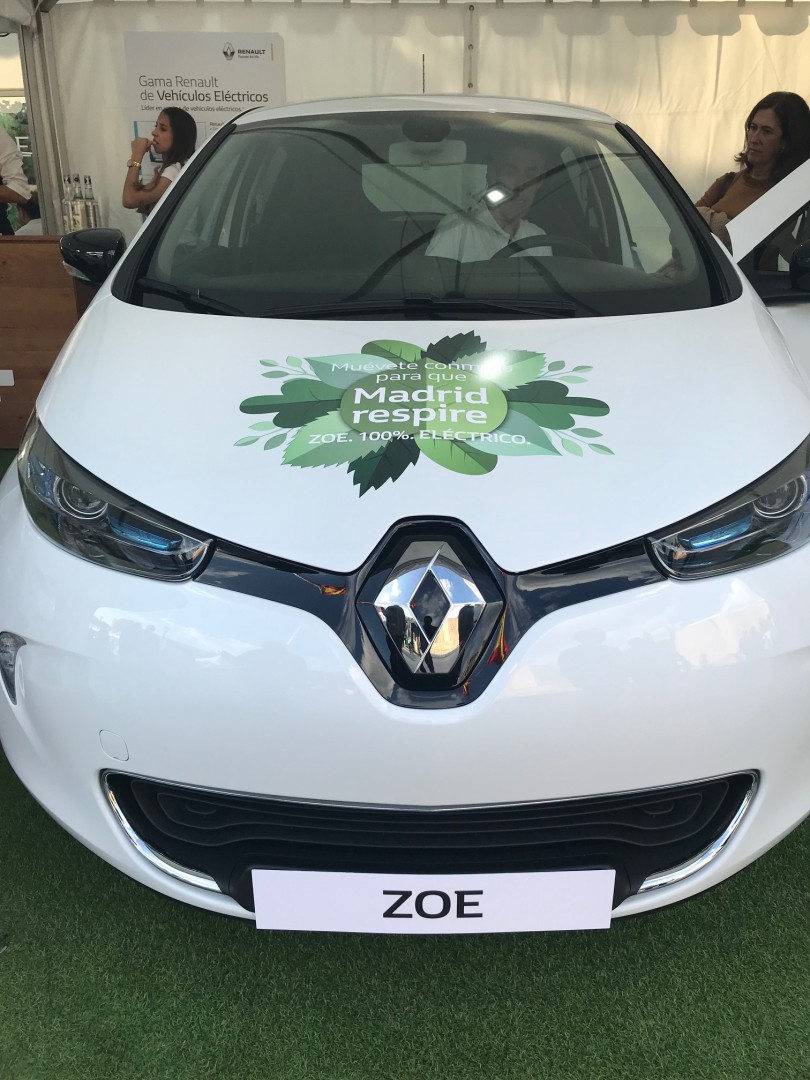
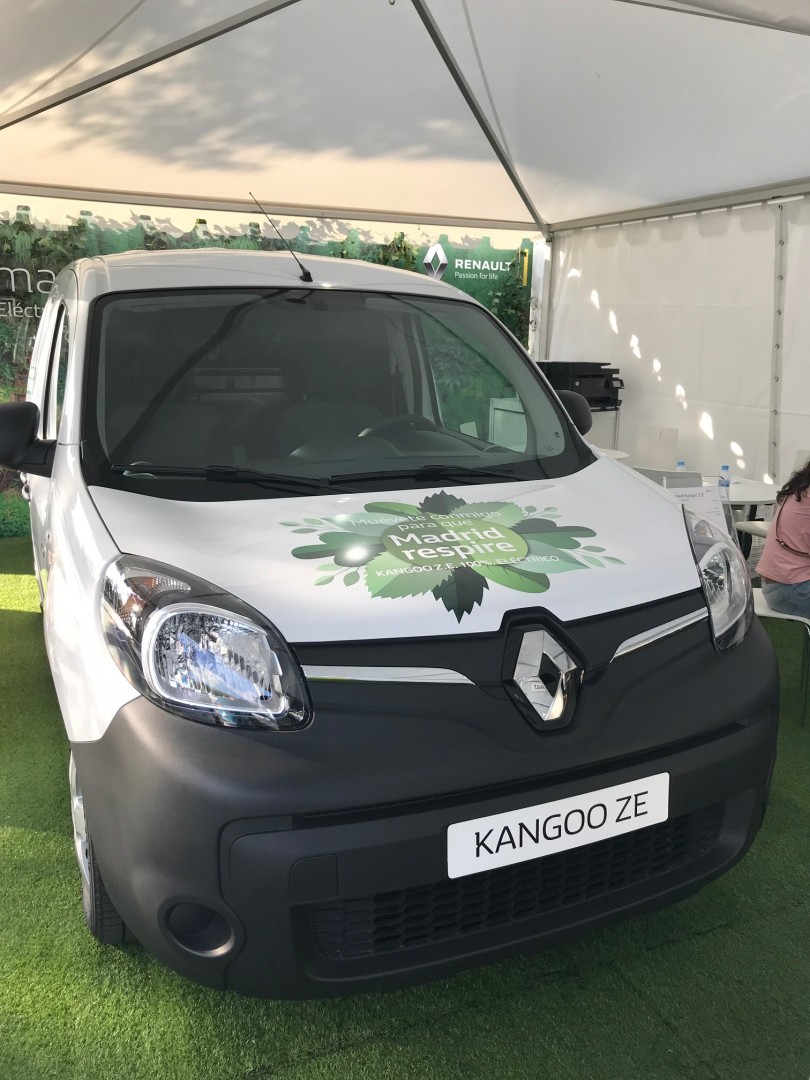
PEUGEOT
CITROEN
MAXUS
HYUNDAI
KIA
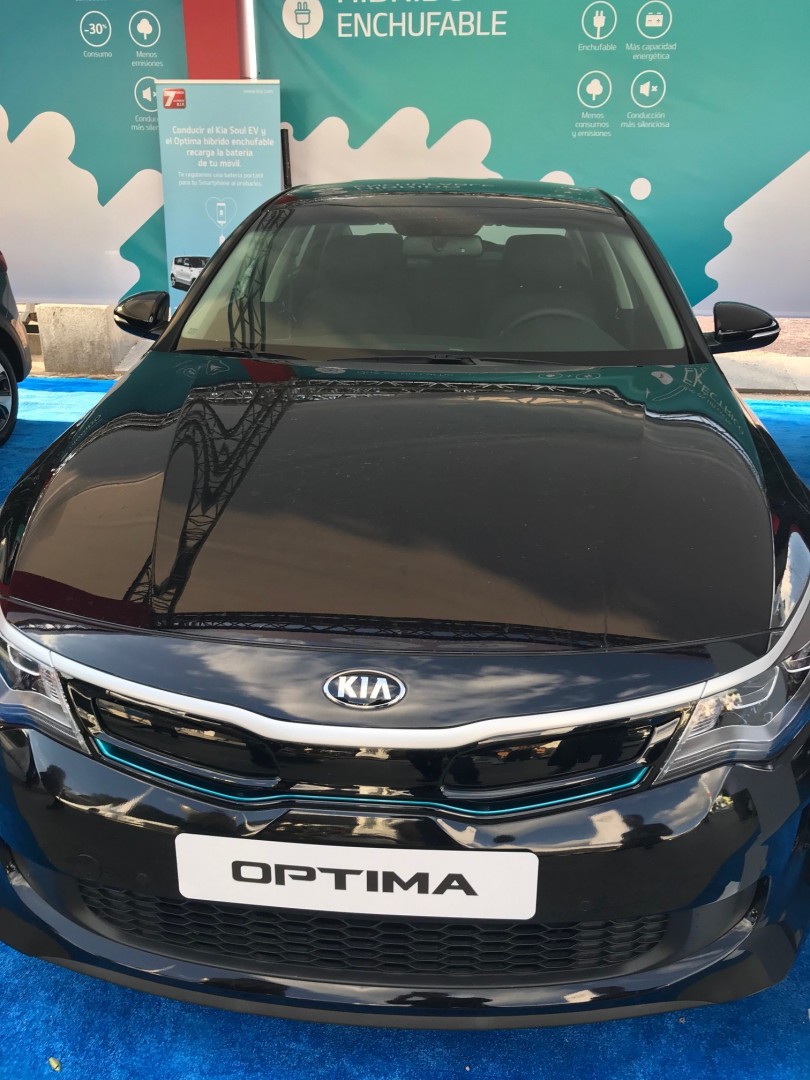
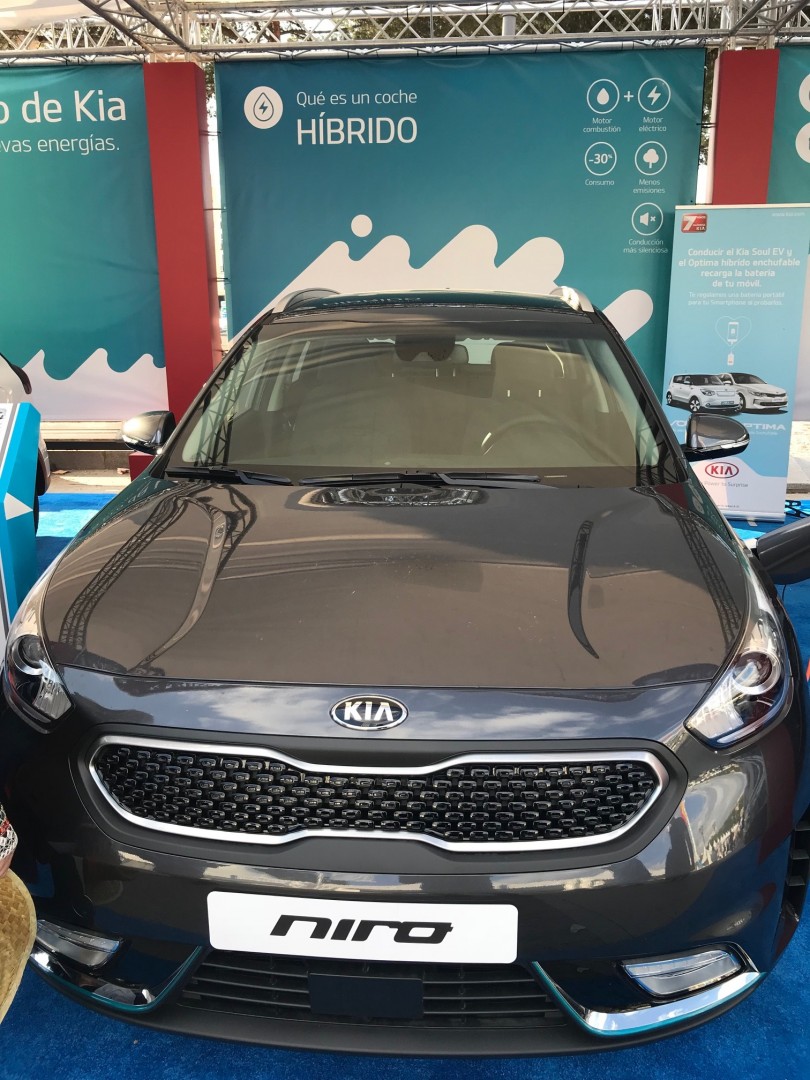
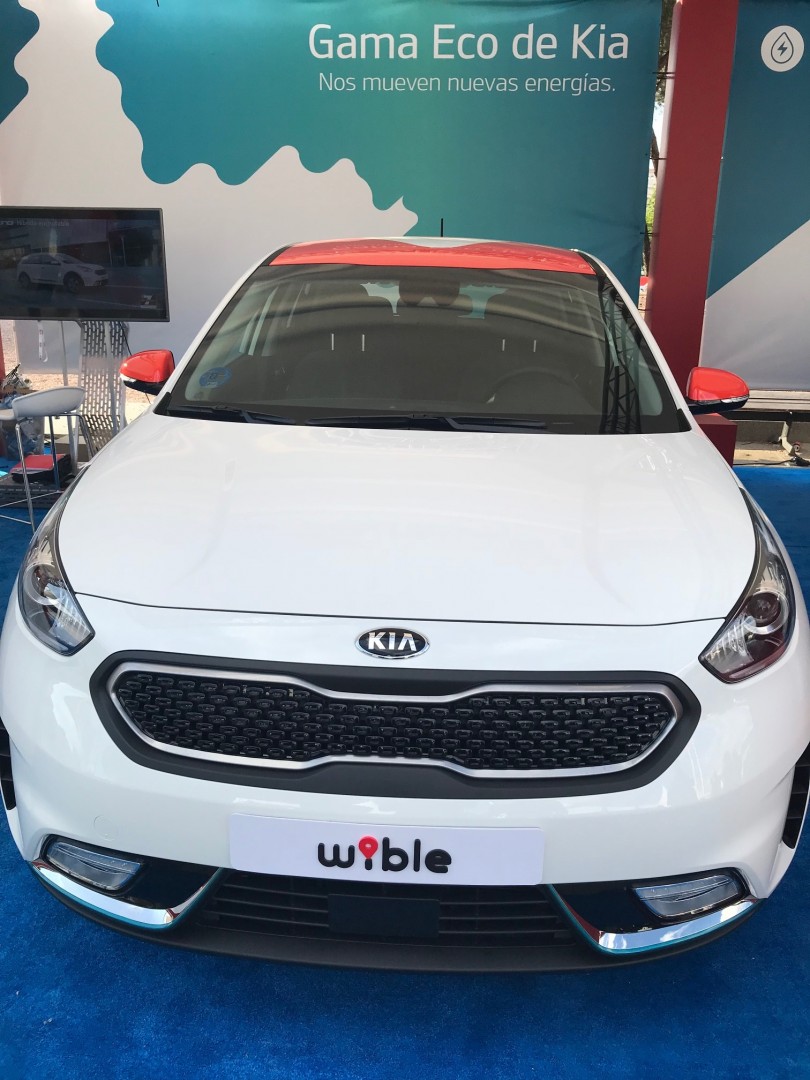
MINI

JAGUAR
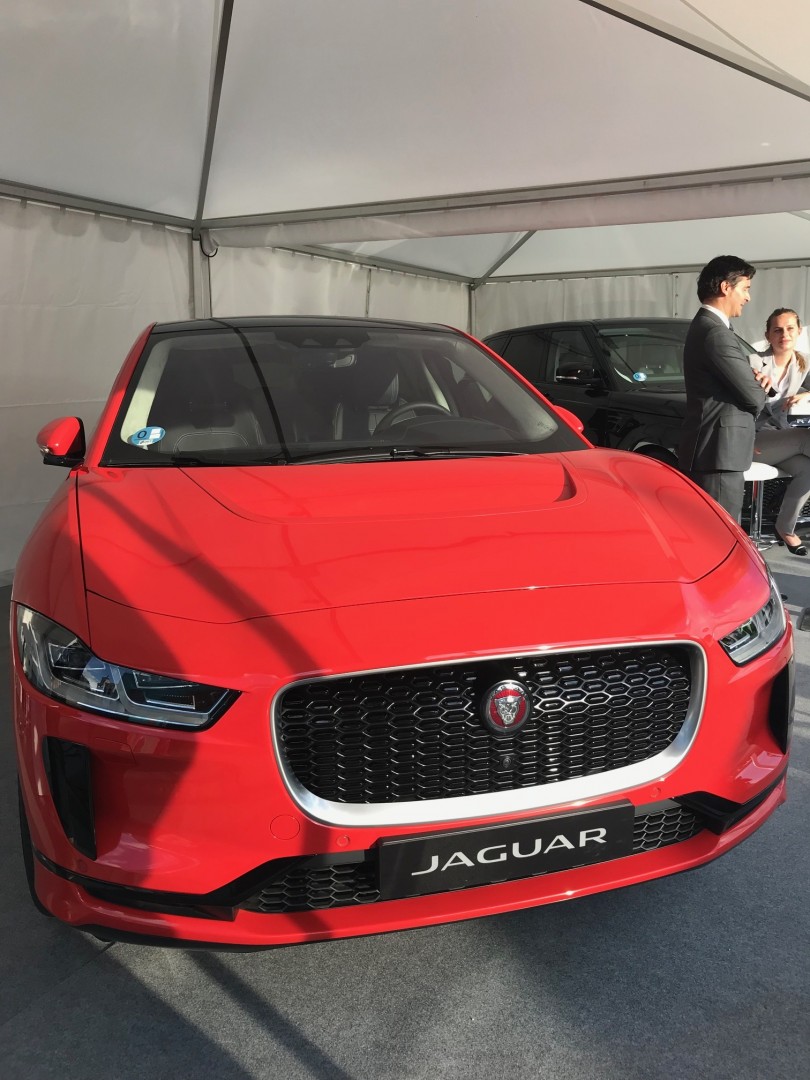
RANGE ROVER
TESLA
Ultimately, prepare for a near future where all vehicles will be solar-electric, where charging stations will be ubiquitous, where we’ll charge our cars like a cell phone in the evening, and where we’ll have uninterrupted power on the road, whether from the solar cells on the vehicle or from a charging strip. And of course, solar-electric vehicles will be used not only in cars but also in the sea and air. Solar-electric vehicles capable of traveling simultaneously on land, sea, and air will be the cutting edge of this endeavor.
Get ready for more economical and ecological vehicles that simplify transportation. As always, the catalysts for this change will be people working in science and technology. As we move towards a sustainable world, I can’t wait to be a part of it myself. At the very least, I know we can make a significant contribution with the solar cells we will produce and continuously improve.
Tag: lifestyle