
I’ve written numerous times in the past about what needs to be done in the short, medium, and long term regarding the climate crisis. You can reread these articles using the links below;
https://serhansuzer.com/tr/iklim-krizinin-en-buyuk-sorumlusu-fosil-yakit-sektoru/
https://serhansuzer.com/tr/turkiyenin-collesmesi-orman-yanginlariyla-hizlaniyor/
https://serhansuzer.com/tr/denizlerde-surdurulebilirlik/
https://serhansuzer.com/tr/en-buyuk-global-riskleri-nasil-etkisizlestiririz/
https://serhansuzer.com/tr/doganin-attigi-tokatlar-sertlesiyor/
https://serhansuzer.com/tr/orman-yanginlarina-karsi-neler-yapabiliriz/
https://serhansuzer.com/tr/sicak-cok-sicak-daha-da-sicak-olacak/
https://serhansuzer.com/tr/kuraklik-gumbur-gumbur-geliyor/
https://serhansuzer.com/tr/yeniden-ve-erken-baslayan-yangin-kabusu/
https://serhansuzer.com/tr/universitem-mcgillde-iklim-kriziyle-ilgili-yaptigim-konusma/
https://serhansuzer.com/tr/iklim-degisikligine-karsi-gizli-kahraman-yesil-hidrojen/
https://serhansuzer.com/tr/cevre-felaketlerinin-riskini-nasil-azaltabiliriz/
https://serhansuzer.com/tr/kastamonulu-genclerin-iklim-degisikligi-konusunda-bilinclenmesi/
https://serhansuzer.com/tr/bu-daha-iyi-gunlerimiz-dedirten-su-sorunu/
https://serhansuzer.com/tr/avustralyadaki-yangin-dunyayi-goreve-cagiriyor/
https://serhansuzer.com/tr/komsudaki-felaketin-ardinda-yatan-acgozluluk/
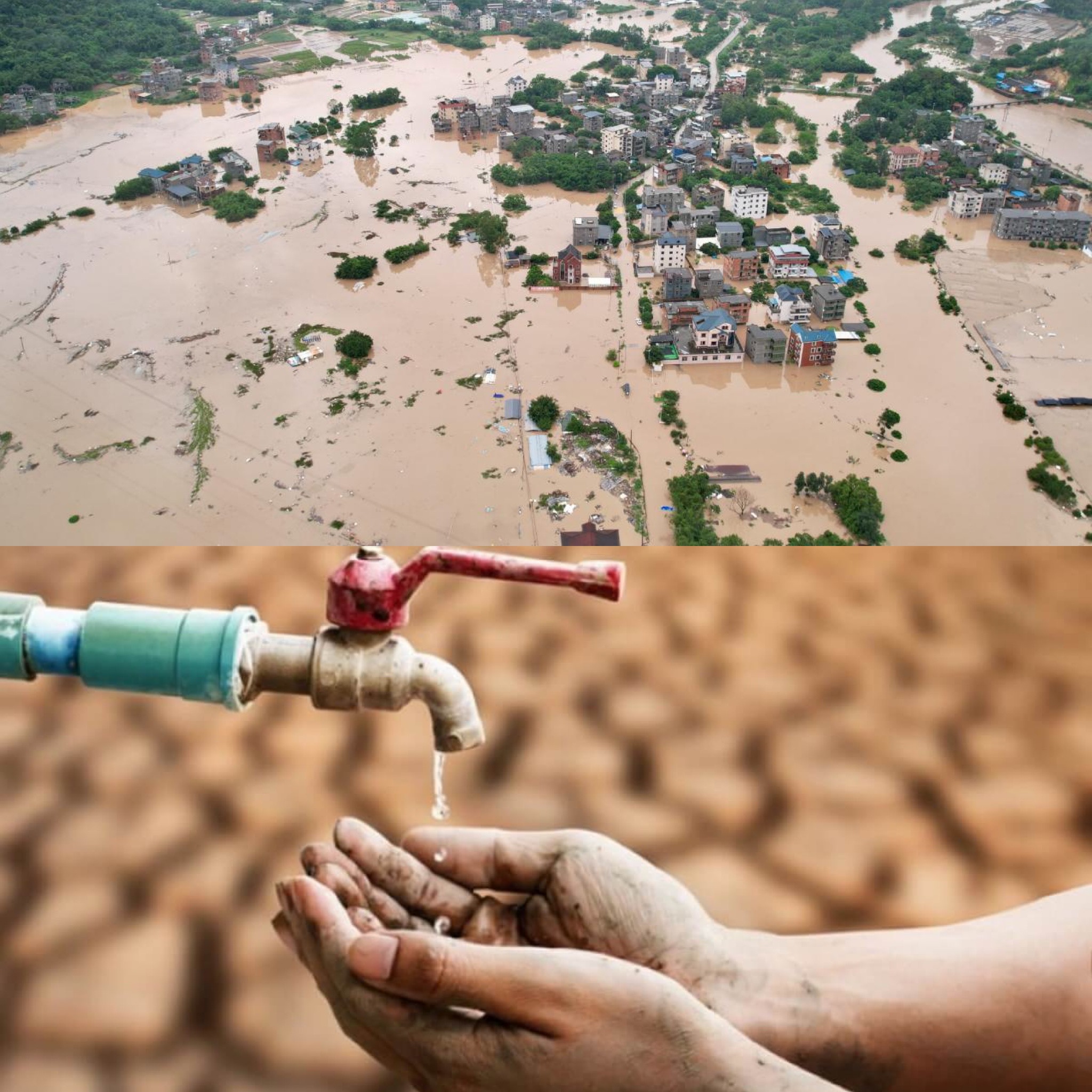
At a time when the arrow is about to leave the bow, these measures absolutely must be taken. Have you ever considered how we will balance the water situation throughout the year, given the constant extremes caused by the climate crisis? You look at the same region year-round, experiencing serious drought problems, while on the other hand, floods are caused by excessive rain. I’ve listed the necessary steps below:
What needs to be done for floods
It’s not always clear when a flood occurs. However, the areas at risk of flooding are well-known. A series of proactive measures should be taken, starting specifically in these areas. I’ve listed these measures below.
1) Harvesting Rainwater: Every drop of rainfall is important. It’s necessary to collect and store rainwater. I’m talking about collecting every drop of rainfall, if possible. A way must be found to collect the rain that falls so heavily that it can cause floods. I can hear some people saying, “How can that even happen?” It would be a shame. Here are my two suggestions for collecting most of the rainfall (a 100% success rate is unlikely, but a target of over 80%):
a) Areas Outside Buildings: Systems that collect, channel, and store rainwater underground should be implemented in all areas outside buildings (except forested areas and agricultural land). This requires eliminating concrete and old-fashioned asphalt. Instead, organic flooring materials and underground systems that collect and store this water could be installed.
b) Buildings: Rainwater collection systems should be installed on the roofs of all buildings. All buildings (whether skyscrapers or single-story buildings) must collect and store rainwater. This should be mandatory. Excess rainfall should also be diverted to additional storage areas in that area (empty spaces between buildings can be utilized).
2) Preventing Sea Flooding: Melting glaciers due to the climate crisis are already causing sea levels to rise worldwide. This sea rise is occurring not only in the oceans but also in all interconnected seas. For example, sea levels in the Black Sea, Aegean Sea, and Mediterranean are rising daily. The Dutch have also discovered a way to prevent flooding. As you know, the Netherlands is a low-lying country, and they’ve designed all their cities to be prone to flooding at any moment. One of the methods they’re implementing here is the use of barrier technology. As the rising sea level sinks beneath the barriers, the barriers rise. In other words, the more the sea floods, the higher the barriers rise. This technology could also be used in Türkiye. This method could prevent water from overflowing from the sea to the mainland and prevent potential coastal flooding.
3) What needs to be done for agricultural areas: In my opinion, instead of traditional agriculture, we should implement full greenhouse farming. This will also increase agricultural productivity (look at The Netherlands, despite having an area the size of Konya, they are the second-largest agricultural exporter in the world after the US). Certain areas of the country are completely covered with greenhouses. This should be the case in Türkiye too. Don’t ask what this has to do with rainwater. Greenhouses can be designed in such a way that rainwater can be collected and stored, depending on the greenhouse design. This is technically quite feasible.
What to do for water scarcity
When addressing the problem of water scarcity, geography-focused planning is essential. I’ll share the steps in order:
1) Collecting rainwater: I’ve outlined what needs to be done in rainy regions above. Collecting rainwater can help alleviate water shortages, especially in certain areas, year-round. Sometimes, the rainfall is so intense that you can collect approximately 80% of the rainwater using the methods I mentioned above, meeting your water needs for the entire year. This method can prevent year-round drought.
2) Advanced well techniques: If rainfall is insufficient, underground water can be brought to the surface using high-quality pumps and used. Of course, balance is crucial here. Underground water levels can be depleted through excessive use, forcing water to be drawn from deeper depths, eventually leading to complete dryness. When opening a well, it’s crucial to ensure the sustainability of the source. This means that underground water must be constantly replenished by various sources, maintaining the water level.
3) Desalination plants: If rainfall is insufficient and there’s no underground water, then the geographical location of the area near the sea should be considered. If the area is near or near the sea, a large-scale or micro-scale desalination plant can be built. This desalination plant can purify seawater and convert it into drinking or domestic water. Of course, capacities that compromise the sustainability of marine life should be avoided. Consider constantly purifying and using seawater, and that salt is often pumped back into the sea. This significantly increases salinity levels and harms marine flora. Here, too, balance must be maintained, or the extracted salt should be used in some way rather than pumping it into the sea (it can be sold as salt or used as a raw material).
4) Producing water from the air: If your region lacks sufficient rainfall or groundwater, or if you are not on or near the sea, the only solution is to produce water from the air. This technology is particularly used in Asian countries. Technically, technologies called Atmospheric Water Generators (AWGs) or Atmospheric Water Harvesting (AWHs) convert air or moisture into water. In the future, in many settlements that do not meet the above-mentioned geographical conditions, these units will be installed inside homes, allowing each household to produce its own water. These technologies can already be used in regions experiencing water shortages.
Public Officials Take Office
I hope this article is helpful. I wrote this article specifically for public officials. I encourage them to read it, learn the necessary lessons, and proactively act as soon as possible. Of course, there are many lessons for individuals and the private sector to learn from this article. I hope everyone takes their share and does what is necessary.
In a world where we are experiencing a climate crisis, people in one region or time are unable to find water, while in another, excessive rainfall causes floods. With the help of our intellect, effective planning, and technology, people can address these imbalances.
Let’s not forget: Water is life. Therefore, we must take this issue very seriously and take the necessary steps immediately to ensure that people do not experience difficulties accessing water, nor do we lose lives and property due to floods.
Take care.